Korean
 English
 German
 Russian
 Japanese
 Spanish
 French
 Italian
 Portuguese

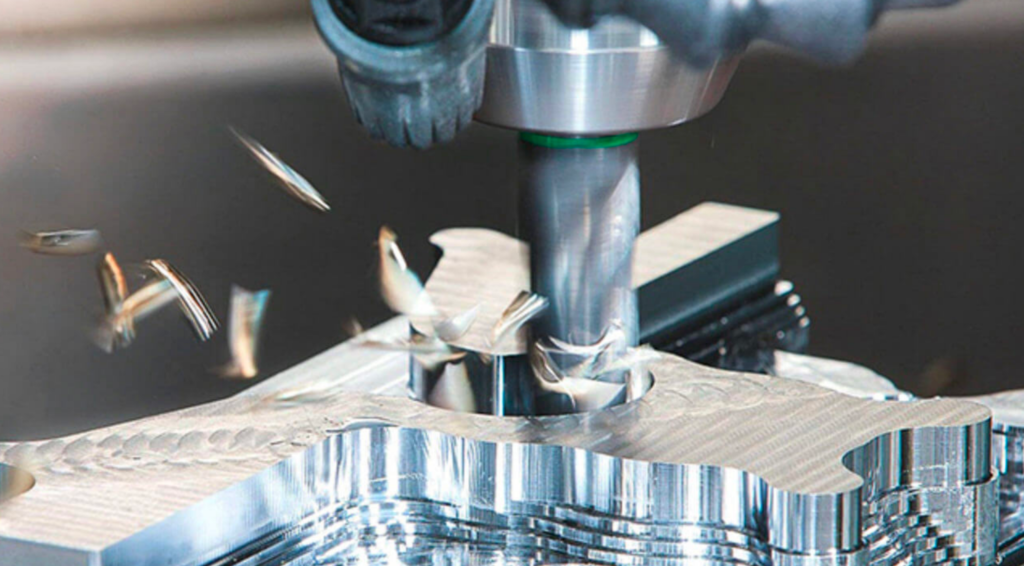
Ask a shop to cut a flat sheet and you will hear two answers router or jet. Both work. Both also get picked for the wrong job more often than people admit. A spinning bit suits plastic and wood while a stream of water and garnet handles steel and stone. If you buy parts CNC 라우팅 is usually the first option on the quote.
This article compares the two on process materials accuracy speed and price. Nothing fancy here. Short notes real limits and a few warnings from the shop floor so your next order goes a little smoother.
How Each Process Cuts
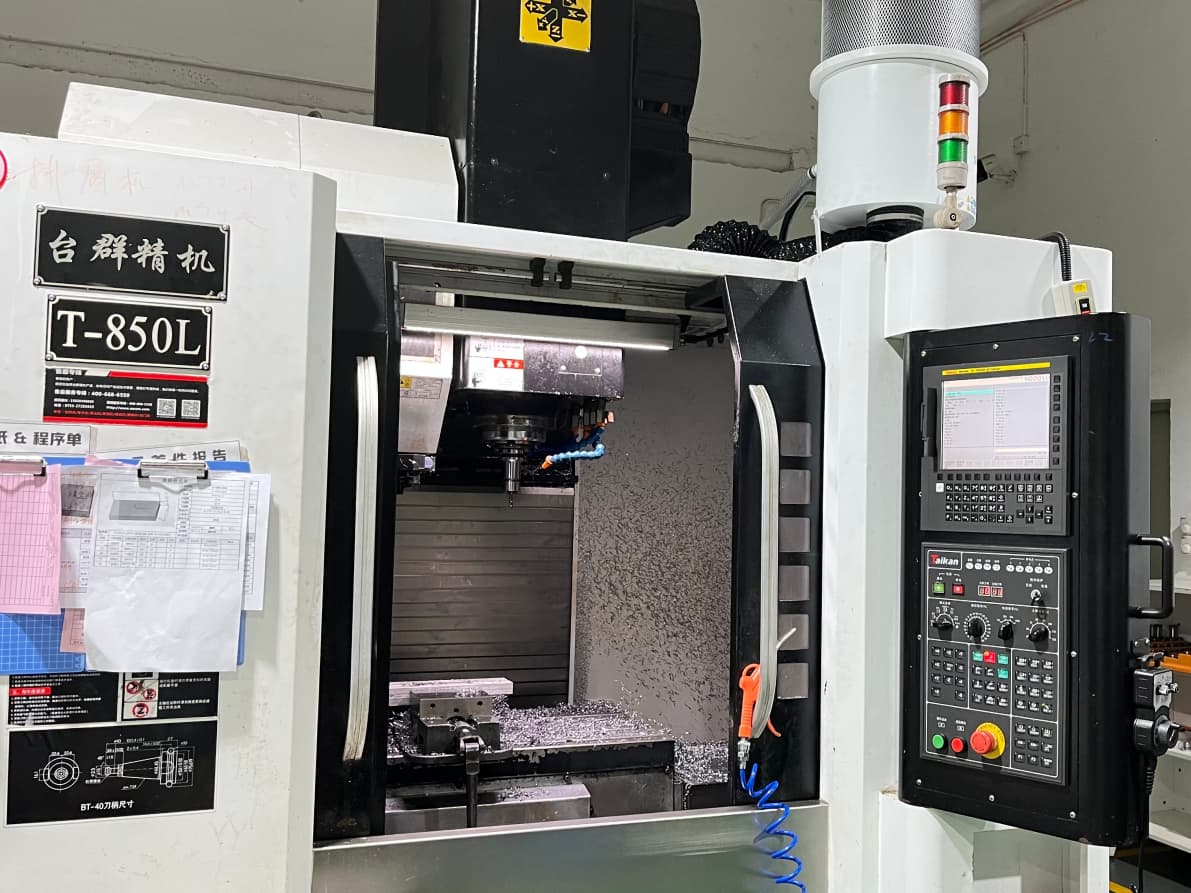
A router uses a spinning bit that removes material by contact. Toolpaths come from your drawing and a vacuum bed holds the sheet flat. Large machines take panels around 3000 by 1500 mm which covers most standard boards. Bits dull with time so clean edges depend on fresh tooling.
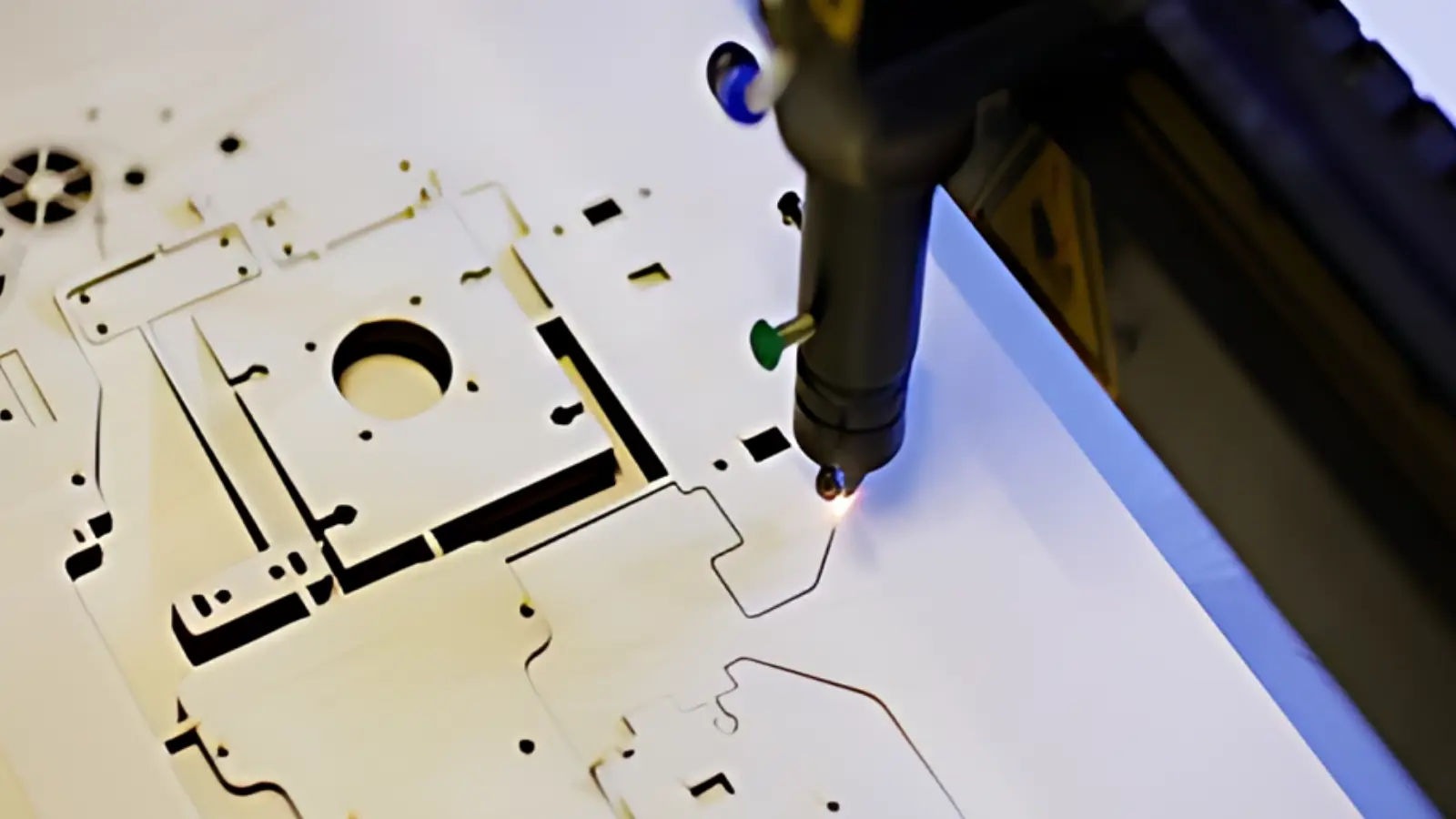
Waterjet cutting skips the bit. Water pushed through a tiny nozzle at huge pressure, carries garnet sand that wears the material away. No heat no spinning tool. The stream leaves a kerf of roughly one millimeter which the software allows for before the cut even starts.
Materials Each Method Handles
Routers do best on acrylic, MDF, plywood, PVC, HDPE, foam board and composite panels. Aluminum sheet is fine too with the right bit and slow feeds. Hardened steel and titanium are poor routing materials. Thickness usually sits between 3 and 50 mm.
A waterjet will take a hefty lot more. No heat to harden or discolor the edge of stainless, tool steel titanium, copper, glass, ceramic, granite rubber and foam cuts cleanly. Delicate layered plate will lift along the edges, try a scrap first. For some reasons up to 150 mm is possible with thick plate.
Accuracy and Edge Finish
Both can reach about ±0.1 mm on a good setup, though shape and material change that. A router leaves a smooth edge on plastic and wood. The catch is the round bit. Inside corners always carry a radius and features under roughly 3 mm are risky.
A jet edge looks slightly frosted with fine vertical lines called striations. Thick parts show a small taper because the stream widens as it travels. Tiny pierce marks appear where each cut begins. None of this hurts function but plan the visible side and the start points.
Speed and Batch Size
Routing is quick. A bit travels fast and a nested sheet gives many parts in one pass. Signs, display panels and cabinet parts finish in hours not days. Setup is simple and prototypes can ship within a few days.
Waterjets are slower mostly on thick metal. Still, there is no tooling and no bit change so one-off prototypes start right away. For mixed materials in small runs that flexibility wins. For thousands of identical soft panels the router wins easily.
What Drives the Cost
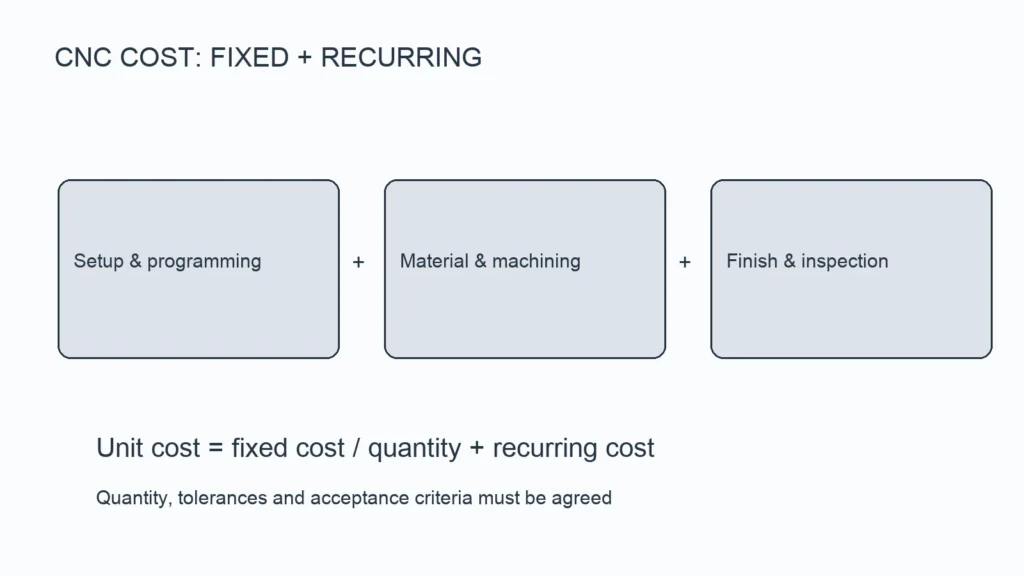
Cost follows machine time first. Routers are cheaper to buy and run, since they use power and the odd new bit. That is why plastic and wood panels price well with CNC routing. Material, sheet size thickness and quantity all move the number.
Waterjet cutting rates run higher because of garnet high-pressure pumps and slower feeds. Abrasive alone is a big slice of the bill. Smart nesting, simple shapes and fewer tiny holes lower the price on either process. Ask for both quotes before you commit.
Choosing the Right Method
Start with material. Plastic, wood and foam point to the router. Thick metal, stone or glass point to the jet. If heat damage matters as with hardened alloys pick the cold process. Then check size, thickness and tolerance.
A few jobs are done in combination a jet sketching the rough outline and a router for pockets and engraving. It is helpful to send a drawing early. Thin walls tight corners and poor nesting can be identified prior to cutting with a quick engineer review.
결론
CNC Routing will be fast, economical and best suited for plastic wood and foam panels. Waterjet cutting is used to cut thick hard and temperature-sensitive materials. They do not win every game but they win some. Estimate the material edge, volume and cost in that order.
Communicate your drawing, material, thickness and quantity to the manufacturing partner. A quick review can save weeks of retries and scrap. The correct cut at the beginning results in fewer surprises and parts fitting the first time.