Korean
 English
 German
 Russian
 Japanese
 Spanish
 French
 Italian
 Portuguese

The fastest way to learn CNC 가공 is to pair hands-on machine time with structured theory. You do not need a four-year engineering degree to become productive. Most capable operators and programmers build their skills through G-코드 fundamentals, shop-floor repetition, and guided part projects. A realistic timeline is 3–6 months to write simple two-axis programs and 12–24 months to handle multi-axis work with confidence.
Most learners stall because they memorize G-code before they understand how material, tool geometry, and machine limits actually interact. This article maps a practical sequence and flags the spots where progress tends to flatten out.
A Practical Learning Sequence
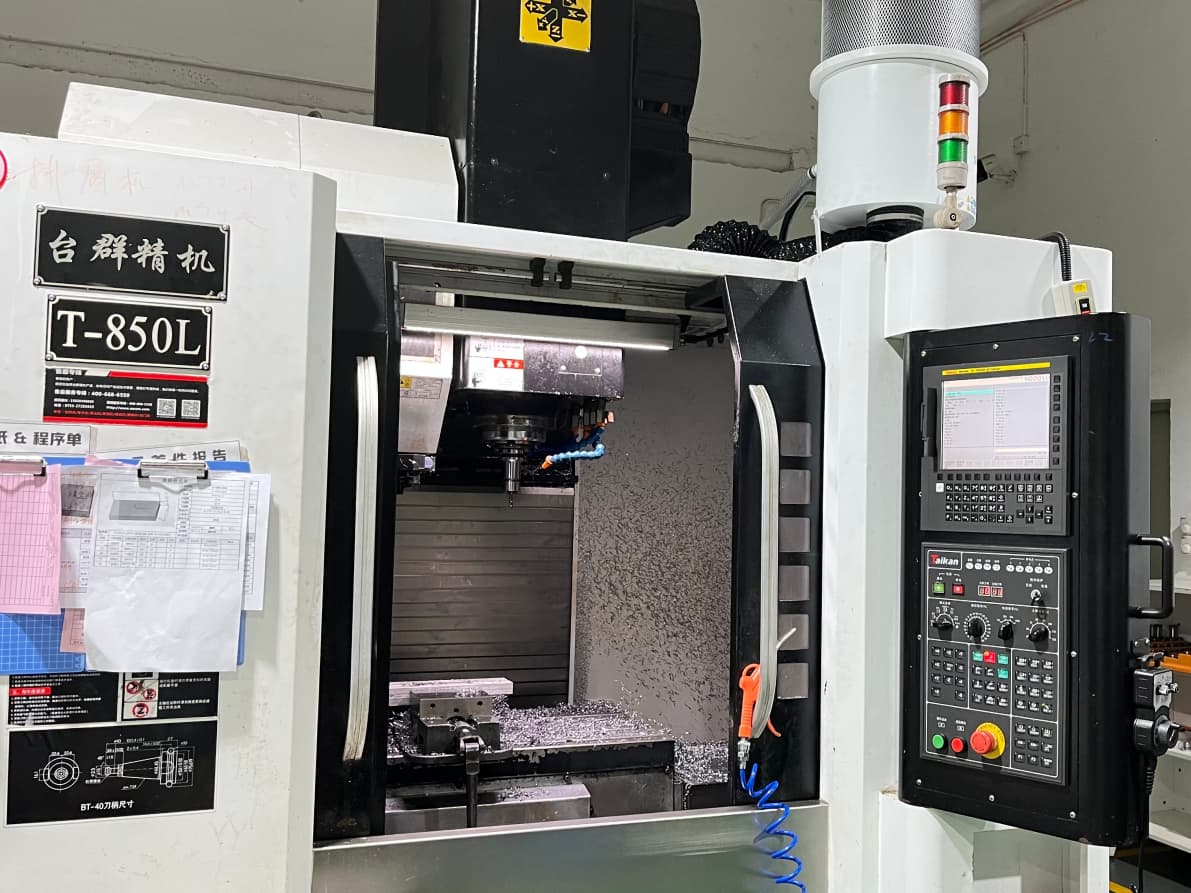
Start with machine fundamentals before touching any software. You need to understand spindle speed, feed rate, tool offsets, and work-coordinate systems. Without that mental model, every line of G-code is just characters on a screen. Spend two to three weeks reading your machine’s operator manual and walking the physical controls.
Next, learn G-code and M-code on a laptop using a simulator such as NC Simulator or SolidCAM’s trial. Write small programs by hand—drill a hole, mill a pocket—before you ever import a CAD file. Hand-writing forces you to internalize the logic instead of hiding behind auto-generators.
Then move into CAM 소프트웨어. Pick one platform (Fusion 360, Mastercam, or Alibre) and complete five to ten parts of increasing complexity. Focus on toolpath strategy: roughing, finishing, climb versus conventional milling, and chip load.
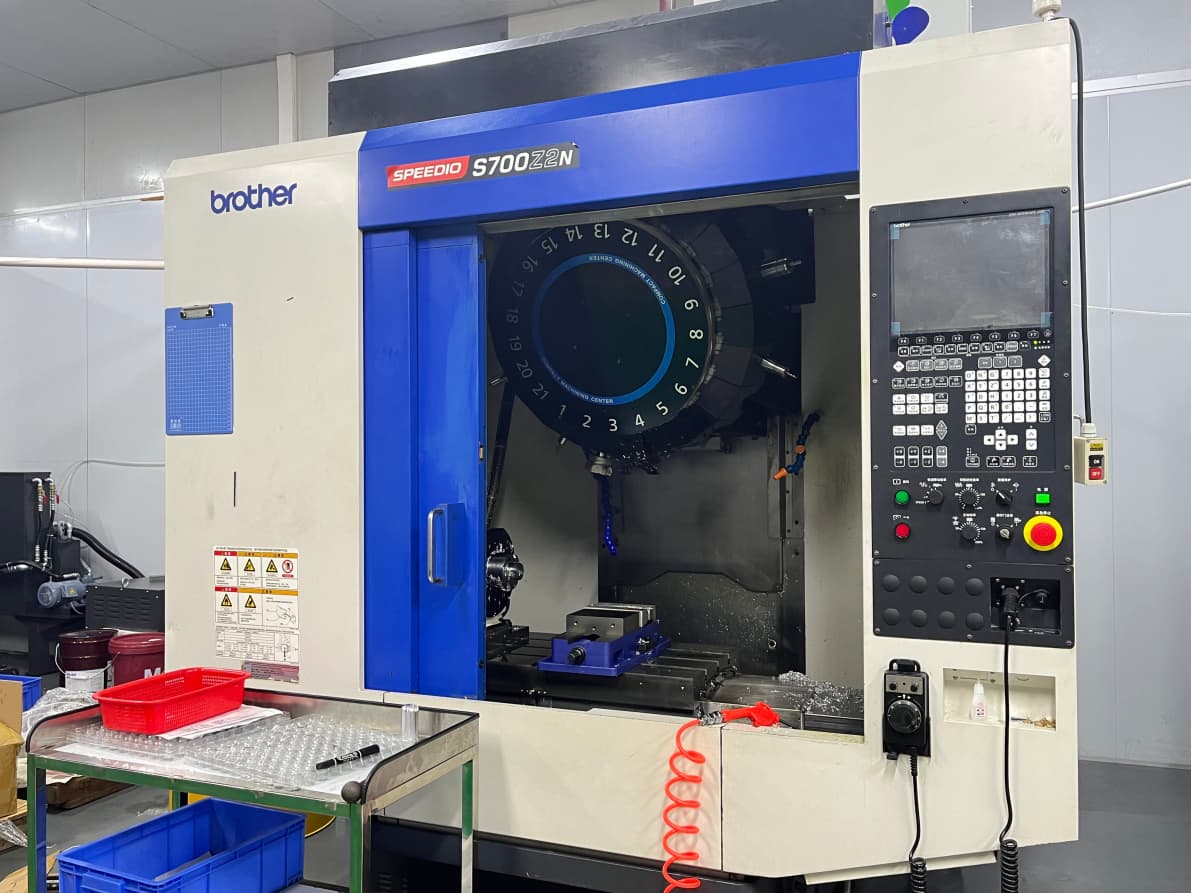
Finally, run real parts. Even simple aluminum or Delrin pieces on a small desktop CNC build the feedback loop that no simulation can replicate. Measure, compare, adjust, repeat.
Resources That Actually Move the Needle
A free CAM license plus a used desktop mill gives you 80% of the learning value for under $1,500. The remaining 20% comes from real shop experience, which is where YPMFG and similar shops can offer short-term mentorship or project-based onboarding.
Where Beginners Typically Get Stuck
Over-theorizing. You can spend months reading about chip formation without ever cutting steel. The fix is a 50/50 rule: for every hour of theory, schedule one hour at the machine or in the simulator.
Skipping tool selection. 적절한 것을 선택하기 end mill geometry and insert clearance angle changes your feed and speed by a factor of two or more. Learn to read a cutting-tool catalogue and match material to flute count.
Ignoring post-processor setup. A perfect toolpath will crash if the post does not insert the correct tool-change macros for your controller. Verify post output on a dummy part before running anything with coolant on.
If you are transitioning from hobby projects to production-grade CNC parts, sending your current drawings to YPMFG for an engineering review can surface tolerance, fixturing, and material-heat-treatment questions you would not catch alone.
Common Questions Before You Start
Do I need to know CAD before CAM?
Not immediately. You can learn G-code with hand-drawn sketches. However, importing CAD files into a CAM package will come within your first month, so basic solid-modeling literacy helps you iterate faster.
How long does it take to program a real part confidently?
Most learners can write a clean two-axis pocket-and-drill program within four to six weeks of daily practice. Multi-axis or five-axis work typically takes eight to twelve months of consistent part-building.
Is a desktop CNC enough to learn, or do I need a full-size machine?
A desktop mill teaches tool offsets, workholding, and basic G-code. It will not prepare you for rigid fixturing or high-spindle-speed finishing. Budget for access to a 3-axis or 5-axis industrial machine within your first year.
Which G-code dialect should I learn first?
Start with RS-274 (the ISO standard) because it covers the widest range of controllers. Once that feels natural, add controller-specific blocks (Fanuc, Siemens, Haas) as you encounter them.
Do certifications matter for getting a job?
They help but are not required. What hiring managers look for is a portfolio of parts you have programmed and machined, plus documented tolerance hold rates. A short certificate signals structure; real parts signal competence.
더 현명한 장기적 결정 내리기
The core principle is simple: let machine time drive theory, not the reverse. Pick one CAM platform, build a personal library of ten to twenty parts across different materials and tolerances, and review each program against the finished piece. That loop compounds faster than any textbook.
If you want a second set of eyes on your drawings, a suggested toolpath strategy, or a quote on a custom CNC-machined part, you can send your specifications directly to YPMFG for an engineering evaluation. They will flag feasibility, suggest material substitutions where cost is a concern, and provide documentation you can attach to your own learning portfolio.