Korean
 English
 German
 Russian
 Japanese
 Spanish
 French
 Italian
 Portuguese

Custom metal casting produces parts by pouring molten alloy into a mold shaped to your exact design. Unlike standard foundry products, custom casting gives you direct control over geometry, material,and wall thickness. The process is ideal for complex shapes, large single-piece components, and applications where machining from solid stock would waste material or be geometrically impossible. Final cost depends on alloy, batch size, and post-processing requirements. YPMFG supports projects that pair casting with CNC 가공 for final dimensional accuracy.
You are probably weighing whether to cast, machine, or combine both for your next part. The wrong process decision can add weeks to lead time or double your unit cost. This breakdown covers what actually drives custom metal casting decisions for engineering and procurement teams.
What Custom Metal Casting Means in Practice
Custom metal casting starts with your drawing or 3D model and ends with a cast part that meets your specified tolerances. The foundry builds a mold, pours the selected alloy, and then removes, cleans, and optionally machines the finished part. Two main process families dominate: 모래 주조 for larger or one-off parts, and 정밀 주조 for finer detail and tighter tolerances. Each family has trade-offs in minimum order quantity, surface finish, and maximum part size.
What Drives the Cost of Custom Metal Casting
Unit cost in custom casting is not just the raw material price. Several variables interact, and missing one in your RFQ will leave you with an inflated quote or a redesign cycle.
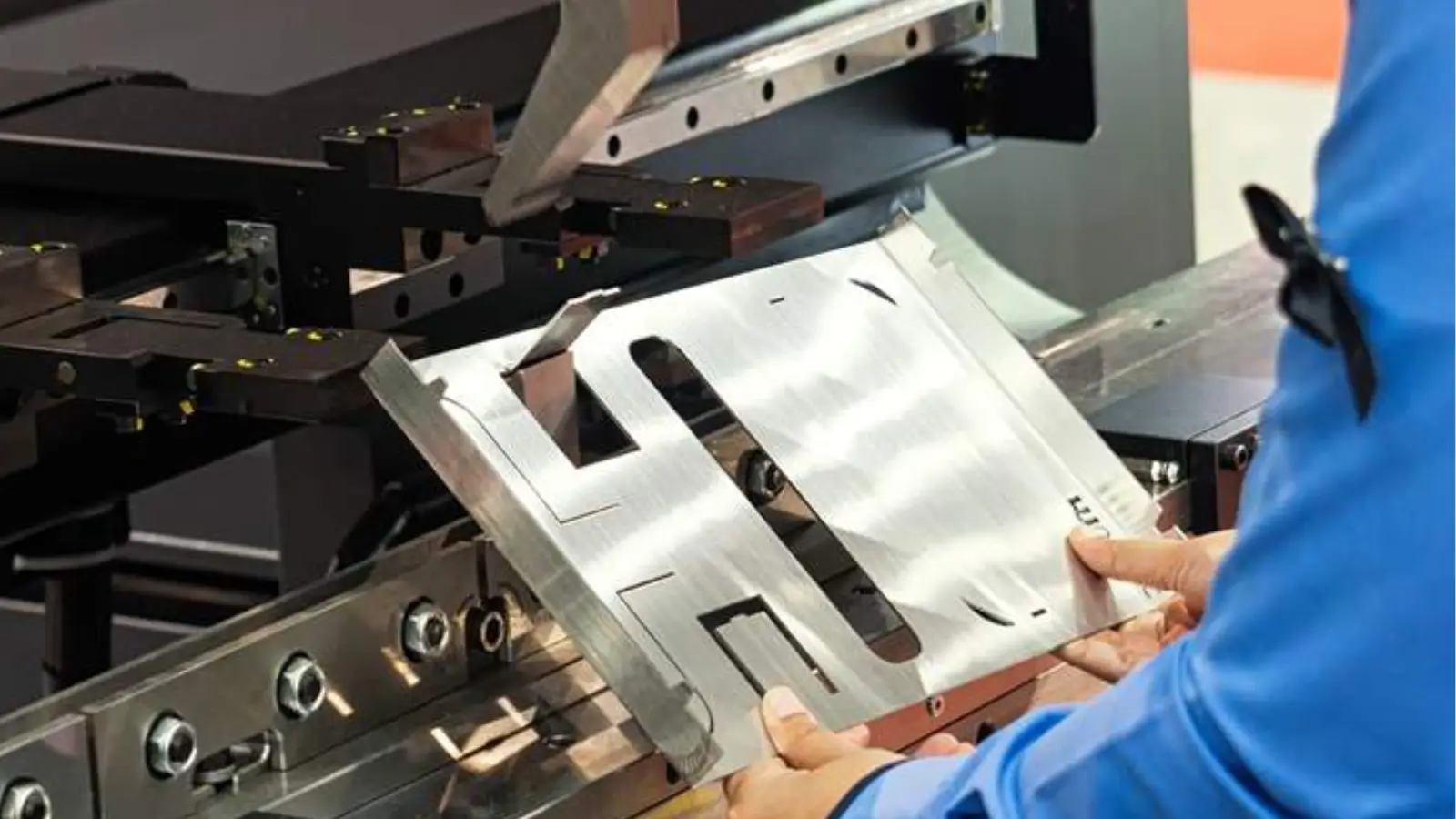
YPMFG can help you compare casting process options against your part geometry before you lock in a supplier. This avoids overpaying for machining steps that the casting itself can handle.
Choosing Materials and Process
Aluminum alloys dominate mid-volume casting because of low density, good machinability, and natural corrosion resistance. Steel and nickel superalloys appear in high-temperature or high-stress applications. Copper-based alloys show up in electrical and thermal management parts. The right alloy choice depends on service temperature, mechanical load, environment, and whether the part will receive CNC 가공 afterward.
Process matters just as much as alloy. 정밀 주조 delivers better surface finish and tighter tolerances, making it suitable for aerospace or medical components. 모래 주조 handles larger parts and lower volumes more economically. If your part needs both cast features and machined datums, a foundry that in-houses machining avoids shipping delays between two separate vendors.
Mistakes That Add Hidden Cost
Sending a 3D model without wall-thickness notes. The foundry may choose a default thickness that fails under thermal or cyclic load.

Specifying tight tolerance on non-critical faces. Every ±0.05 mm call on a machined surface adds inspection and rework time.
Combining a tight lead time with a first-time alloy. Initial heat-treatment testing and certification schedules eat into your timeline.
Skipping a pre-cast engineering review. Dimensional issues caught after the mold is built cost 5–10× more to fix than a 30-minute check.
Questions to Answer Before You Order
Can the part be cast as one piece, or does it need to be split? A single-piece casting avoids weld seams and reduces stress concentration. If the geometry forces a split, confirm the mating surfaces are machinable.
What tolerance is truly critical? Identify the two or three dimensions that affect function. Cast those tighter and let the rest ride on standard casting tolerance. This keeps the cost of custom metal casting controlled without sacrificing performance.
Will the part see corrosion, heat, or cyclic loading above 200 °C? If yes, material selection shifts from general-purpose aluminum to stainless steel or a nickel alloy, which changes both the foundry and the post-cast heat treatment.
Do you need dimensional inspection reports or material certificates? 많은 procurement compliance programs require PPM reports and heat-number traceability. State this requirement up front so the foundry builds documentation into the quote.
How will the cast part be finished? 표면 마감 such as shot blasting, bead blasting, or anodizing adds lead time and cost. Specify the finish early so the foundry can sequence operations without rework.
Making a Better Casting + Machining Decision
The strongest value in custom metal casting comes from treating it as one integrated process rather than two separate purchases. When casting and CNC 가공 happen under the same roof, you gain a single point of accountability, fewer shipping cycles, and one set of inspection records.
Send your drawings, material requirements, and target volume to YPMFG. The engineering team reviews geometry, suggests alloy or process adjustments, and returns a detailed quote with realistic lead-time options. You get a clear cost breakdown and a firm schedule before you commit to a mold or a production batch.