 Korean
  English
  German
  Russian
  Japanese
  Spanish
  French
  Italian
  Portuguese
 간단한 답변:
Prototype CNC services convert your CAD models into physical parts using computer-controlled machining. The process delivers precise, functional prototypes in materials like aluminum, steel, and engineering plastics. Most buyers should request a manufacturing evaluation first to confirm design feasibility and receive a detailed quote before placing an order.
Most engineers and product developers face a similar challenge when they need a working prototype. They have a digital design ready, but they are unsure whether it can be machined efficiently or whether the material selection matches their performance requirements. The gap between concept and physical part often determines project timelines and long-term costs. This is where prototype CNC 가공 becomes a practical solution.
YPMFG는 다음을 제공합니다. CNC manufacturing services that focus on helping buyers move from digital files to tested hardware. The following sections explain how to evaluate options, avoid common errors, and make decisions that protect both quality and budget.
How Prototype CNC Services Work
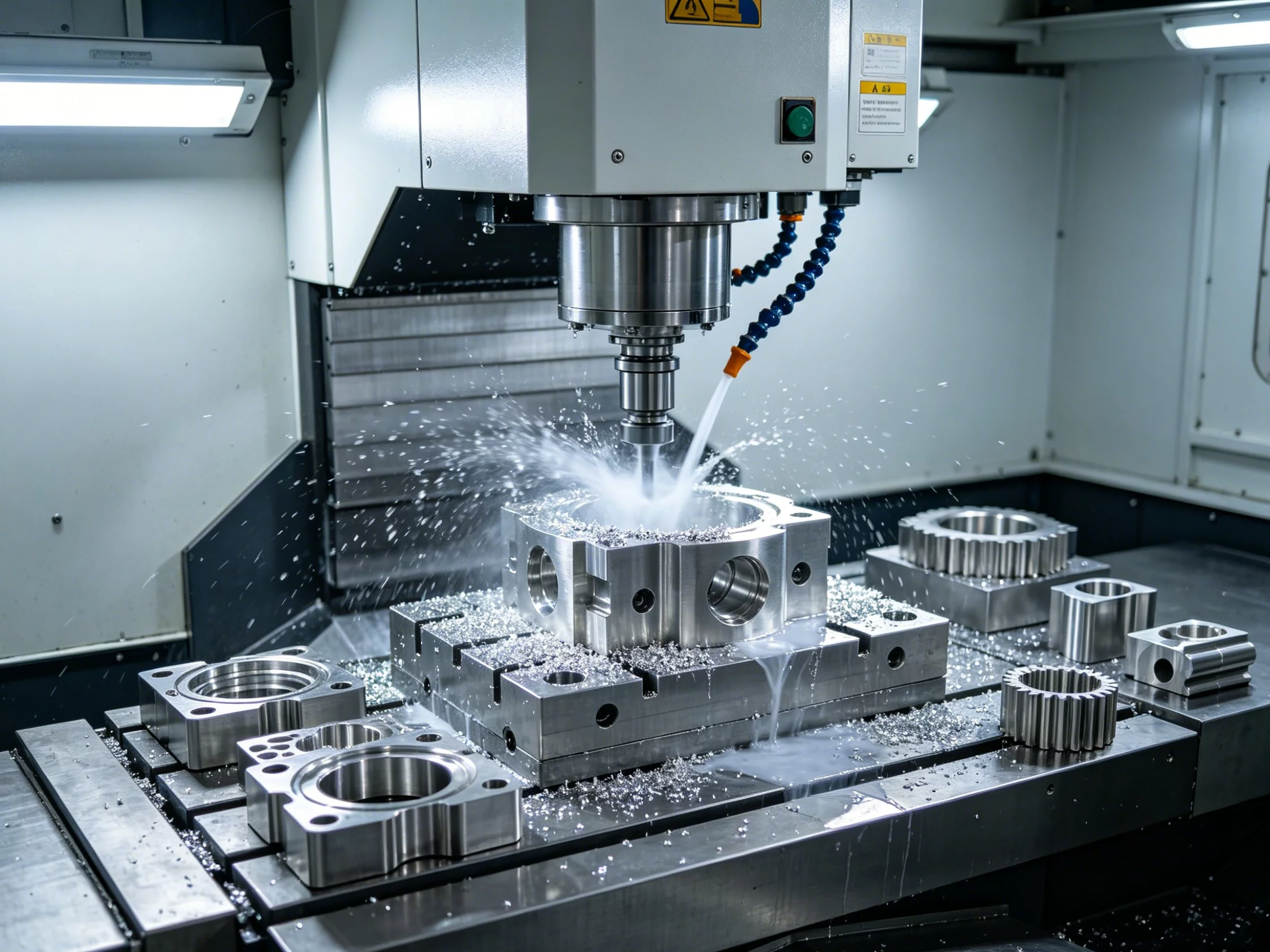
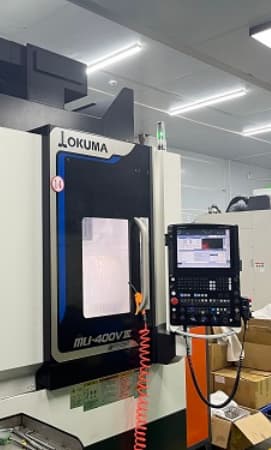
CNC machining removes material from a solid block using automated cutting tools. The process follows toolpaths generated from CAD data. A three-axis, four-axis, or five-axis mill positions the cutting tool to remove stock layer by layer.
Turned parts use rotating cylinders while a stationary tool shapes the exterior or interior diameter. Mill-turn combinations allow complex geometries to be completed in a single setup.
The typical workflow includes design review, toolpath programming, material preparation, machining, deburring, inspection, and packaging. Each step introduces variables that affect surface finish, dimensional accuracy, and lead time.
Buyers should verify that their supplier has engineered processes for 사용자 지정 CNC parts manufacturing, including how they handle tight tolerances and secondary operations.
Key Factors That Influence Prototype Costs
Several variables determine the price of a CNC prototype. Understanding them helps buyers compare quotes accurately and avoid surprises during production.
Each factor interacts with the others. A design that appears simple may require expensive setups if tolerances are aggressive or if material choices create tool wear issues.
Common Mistakes When Ordering CNC Prototypes
First-time buyers often make predictable errors that delay projects or inflate costs. Recognizing these mistakes early prevents wasted time and budget.
One frequent issue is submitting a design without considering CNC machining design guidelines. Features like sharp internal corners, deep thin walls, or inaccessible threads increase difficulty and may require special tooling.
Another mistake is assuming all shops provide the same quality level. Some suppliers lack proper metrology equipment or documented inspection procedures. Buyers should request proof of quality control before approving production.
Some designers also overlook the importance of material certifications. Engineering-grade aluminum or stainless steel may come from different suppliers with varying mechanical properties. Always request material test reports when they matter for your application.
Material Selection for CNC Prototype Parts
Choosing the right material affects strength, weight, corrosion resistance, and machinability. Several options dominate the prototype market.
Aluminum 6061-T6 remains the most popular choice for functional prototypes. It machines well, offers good strength-to-weight ratio, and accepts anodizing finishes reliably. Aluminum 7075-T6 provides higher strength for structural applications but requires more careful toolpath planning.
Stainless steel 304 and 316 deliver excellent corrosion resistance and durability. These materials machine slower than aluminum and generate higher cutting forces. Tool wear increases, which affects both lead time and unit cost.
Engineering plastics like PEEK, acetal, and polycarbonate serve specific niches. PEEK handles high temperatures and chemical exposure. Acetal machines smoothly and maintains dimensional stability. Polycarbonate offers impact resistance but can stress-crack if not handled properly during machining.
Buyers should discuss their performance requirements with the manufacturer before finalizing material choices. Material consultation and selection support ensures the prototype meets both functional and economic goals.
Tolerance and Surface Finish Expectations
CNC machining can achieve tight tolerances consistently when the design supports it. Standard commercial tolerances typically range from ±0.1mm to ±0.2mm for most features. Precision work can reach ±0.025mm or tighter on selected dimensions.
Surface finish depends on tool path strategy, cutting parameters, and material behavior. Mill Ra values between 1.6 and 3.2 micrometers are common for functional prototypes. Electropolishing or bead blasting can improve appearance while removing burrs.
Anodizing adds color and surface hardness for aluminum parts. Clear anodize preserves the natural metallic look while protective anodize adds tinted coatings. Chromate conversion coating serves different corrosion protection needs on aluminum and magnesium parts.
Always specify which surfaces require finish treatment and communicate functional requirements clearly. Vague finish requests lead to unnecessary工序 or inadequate results.
What to Include When Requesting a Quote
A well-prepared inquiry saves time for both buyer and manufacturer. Including complete information helps suppliers evaluate design for manufacturability accurately.
Provide your CAD files in native or neutral formats. STEP and IGES files work well for most CNC machining quote requests. Include drawing files withGD&T callouts where tolerances matter most.
List your material preference or ask for recommendations. If you have performance requirements, state them explicitly. Temperature range, chemical exposure, load conditions, and environmental factors all influence material selection.
Specify quantity, lead time expectations, and any secondary operations needed. Mention inspection requirements if your project demands documented quality control.
YPMFG supports buyers through every stage, from initial design review to final delivery. Contact them for a manufacturing evaluation, request a detailed quote, or send your specifications for professional assessment.
How to Evaluate a CNC Prototype Service Provider
Not all suppliers offer the same level of capability or communication. Evaluating potential partners requires checking several critical areas before committing to a project.
First, review their technical capacity. Do they operate modern multi-axis CNC equipment? Can they handle your part size and material requirements? Ask about machine age, maintenance practices, and tooling inventory.
Second, examine their quality systems. Do they use calibrated measurement equipment? Can they provide inspection reports with actual measured values? Request sample reports from previous projects.
Third, assess communication responsiveness. How quickly do they respond to technical questions? Do they ask clarifying questions or simply accept the order as-is? A proactive supplier identifies potential issues before machining begins.
Fourth, verify their experience with similar applications. While generic claims exist, real competence shows in how they discuss design recommendations and risk mitigation strategies.
When Prototype CNC Services Make Sense
CNC prototyping serves multiple stages of product development. It is particularly valuable when functional testing requires realistic material properties and dimensional accuracy.
Early design validation benefits from rapid physical models. Engineers can assemble components, check clearances, and identify interference issues before committing to tooling investment.
Functional testing prototypes demand materials that match production specifications. Injection molded samples may not represent the mechanical properties of machined parts. CNC prototypes bridge this gap effectively.
Small batch production also justifies CNC machining when volume does not warrant custom tooling. Up to several hundred parts can often be produced competitively through CNC methods without soft tooling expenses.
Consider the trade-offs between prototyping methods. If your application requires complex internal geometries or multiple materials, CNC prototype manufacturing services may be the most reliable path forward.
Practical Questions Before Choosing a Service
Buyers should address several questions before placing an order to ensure the outcome matches expectations.
Can the supplier provide a design for manufacturability review before production starts? A proactive evaluation prevents costly surprises during machining.
What quality documentation will accompany the delivered parts? Inspection reports, material certificates, and traceability records matter for regulated industries.
How do they handle revisions if the prototype does not meet requirements? Clear policies on rework, remanufacturing, and responsibility protect both parties.
What is the realistic lead time from quote approval to shipment? Rush options may exist but should be priced transparently.
Do they offer post-processing services in-house or through trusted partners? Consistent quality improves when secondary operations stay within the same quality system.
더 나은 장기적 결정을 내리기
적절한 것을 선택하기 prototype CNC services provider requires balancing technical capability,communication quality, and commercial terms. The cheapest quote rarely represents the best value when quality issues or delays create downstream costs.
Start by sharing your design files and application requirements with an experienced manufacturer. Request their assessment of design modifications that could reduce cost or improve reliability. Evaluate their responsiveness and technical depth during this interaction.
Test the relationship with a small order before scaling to larger quantities. This approach reveals how the supplier handles communication, quality control, and problem resolution in practice.
If you are evaluating options for your next project, YPMFG welcomes your specifications. Send your CAD files and requirements for a free manufacturing evaluation. You will receive practical feedback on design feasibility, material recommendations, and a detailed quote tailored to your needs.