 Korean
  English
  German
  Russian
  Japanese
  Spanish
  French
  Italian
  Portuguese
 간단한 답변:
CNC custom parts milling services convert raw material into precise components using computer-controlled cutting tools. Buyers engage these services when off-the-shelf parts cannot meet their dimensional, material, or finish requirements. The critical decision is matching 재료 선정, surface finish specifications, and tolerance to your specific application.
Getting these elements wrong early leads to rework, delayed schedules, and higher per-unit cost. Verify the supplier’s stated capability in the relevant CNC 가공 process before committing to a volume order.
The right milling partner protects your production schedule and keeps scrap rates manageable. The wrong one triggers a cascade of revision cycles that erodes margin on every batch.
What CNC Custom Parts Milling Actually Covers
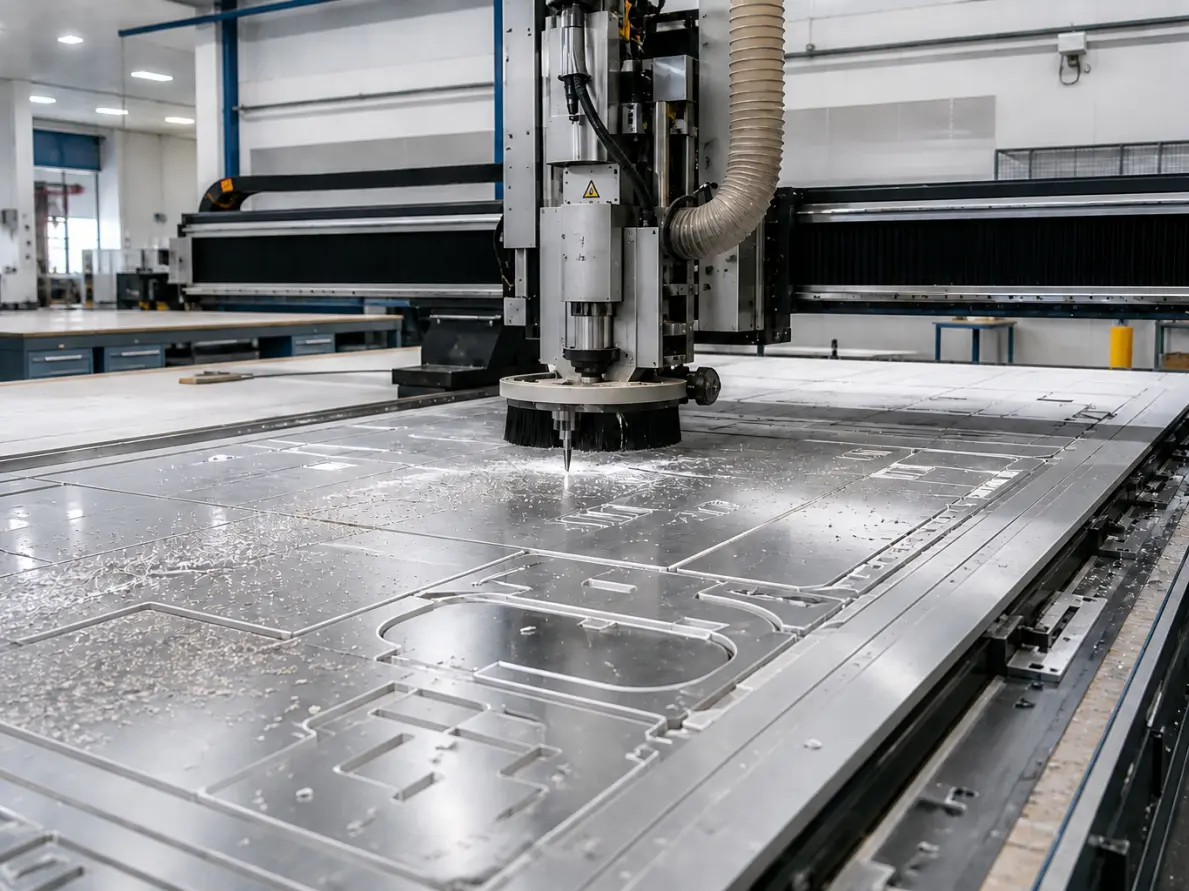
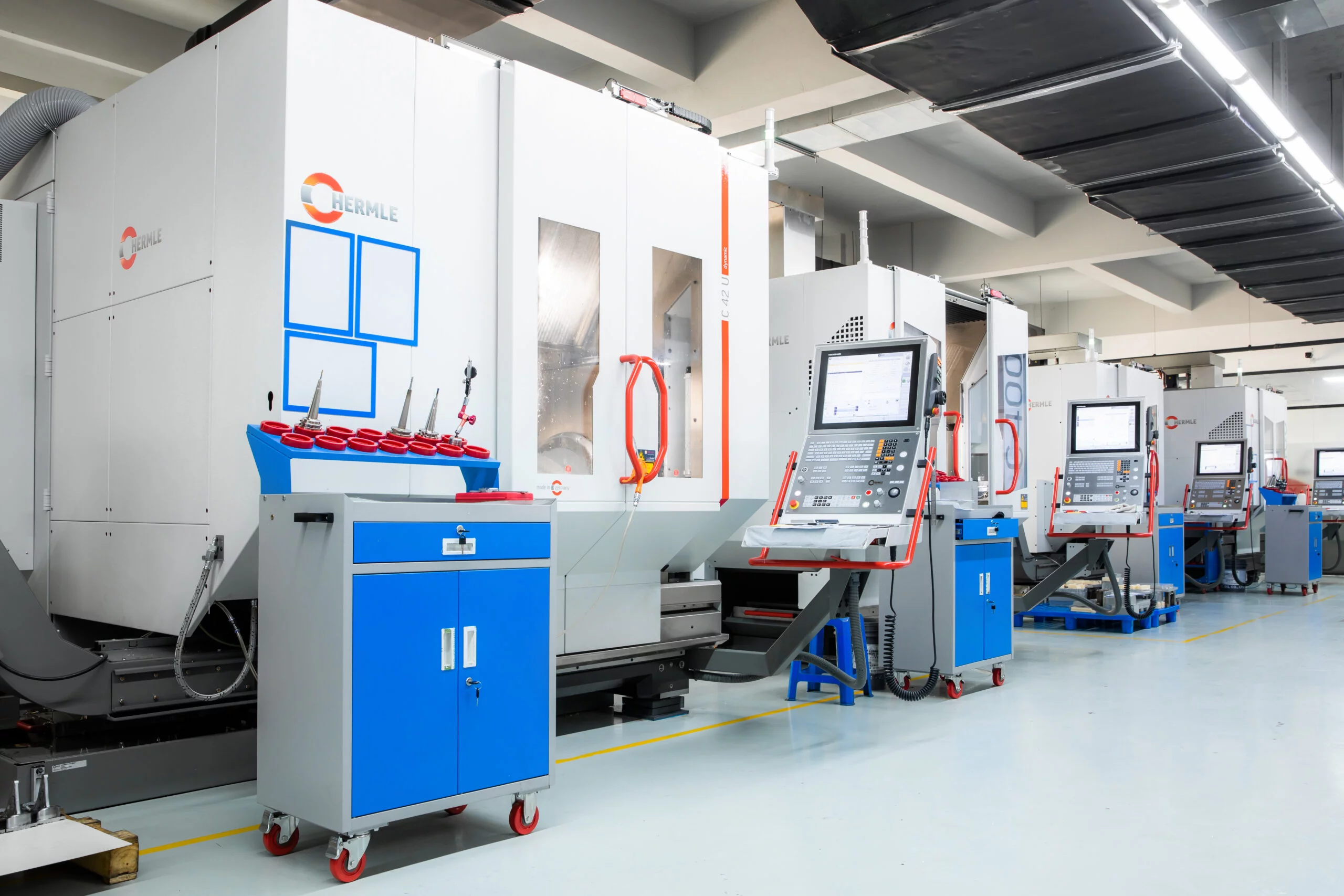
CNC milling removes material from a workpiece using rotating multi-edge tools guided by a programmed toolpath. It differs from CNC 선반 가공 in that the workpiece stays stationary while the tool traverses multiple axes. Most custom milling jobs use 3-axis, 4-axis, or 5-axis configurations depending on part geometry.
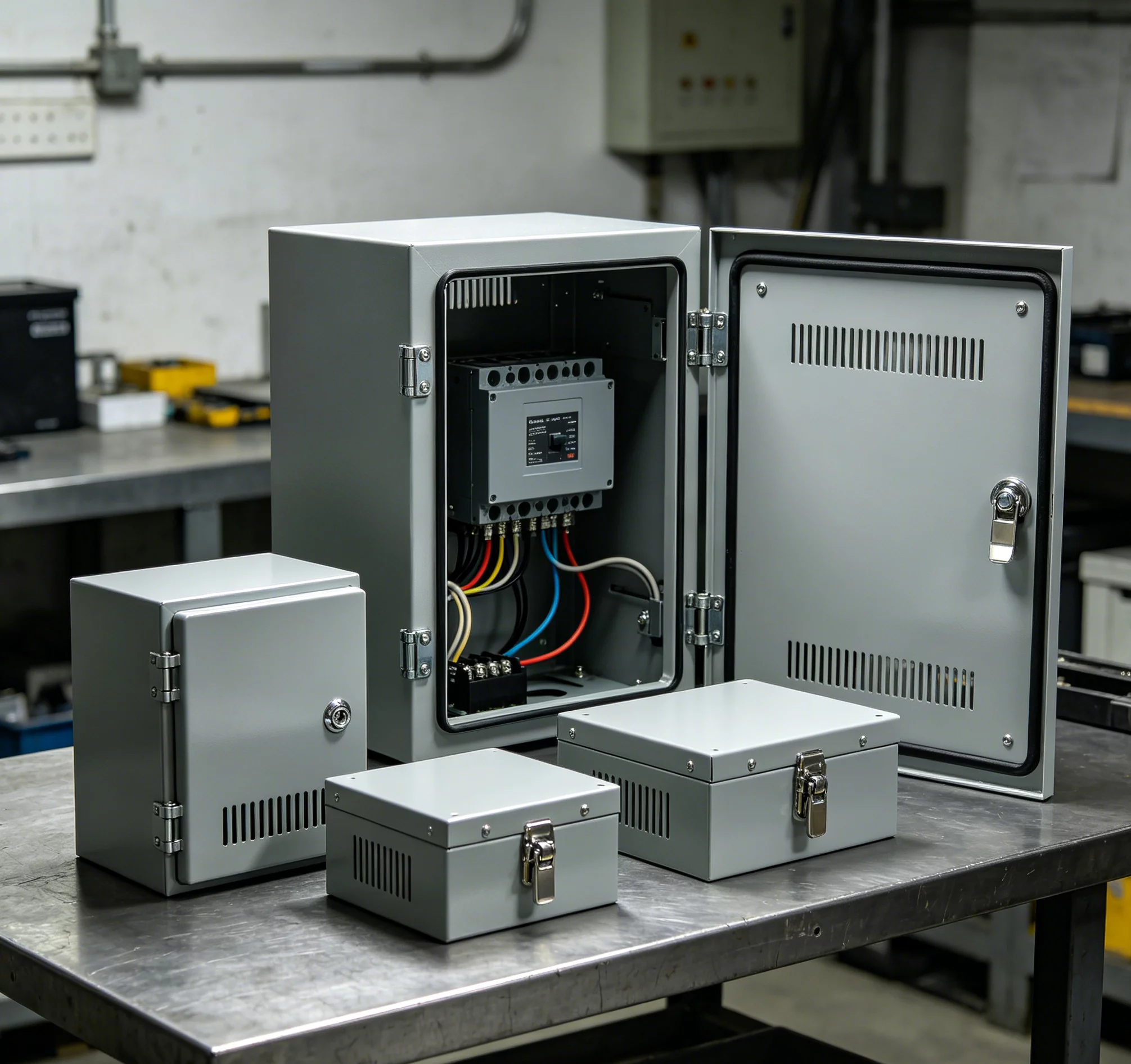
Common applications include mechanical parts, housings, brackets, fixtures, and precision plates across aerospace, medical, automotive, and industrial equipment sectors. The process supports aluminum, steel, titanium, copper, and a wide range of alloys.
Key Factors to Evaluate Before Placing an Order
Start with your 허용 오차 기준. Standard CNC milling holds parts within ±0.01 mm to ±0.02 mm. Tighter tolerances increase machining time and may require specialized fixturing.
Confirm whether your drawing actually needs that level of precision or whether a looser spec will save cost. Ask your engineer which dimension is truly critical before you lock the specification.

Next, lock down the material grade. A 6061-T6 aluminum plate behaves differently from 7075-T6 in machinability, heat treatment response, and fatigue life. Request the specific alloy and temper on the material certificate before production starts.
표면 마감 expectations also drive cost. A standard mill finish typically lands around 1.6 µm Ra. If your application demands a polished or bead-blasted surface, that adds post-machining operations.
Define the finish requirement in your drawing notes to avoid ambiguity during production.
A structured checklist helps before you send drawings to any provider:
YPMFG reviews incoming drawings against this type of checklist during the engineering evaluation stage, flagging any ambiguous specs before production begins.
Cost Drivers and Where to Look
Price variation in custom CNC milling almost always traces back to a small set of variables. The table below maps the most common drivers:
If your budget is constrained,the highest-impact lever is usually simplifying geometry or relaxing a non-critical tolerance. Ask your engineer which feature actually needs the tightest spec; in many cases it is only one or two dimensions.
Red Flags Before You Commit
No material certificate or traceability documentation offered
Tolerances on the drawing are not matched by the supplier’s stated machining capability
Quoted lead time assumes no inspection or rework cycle
The supplier cannot provide a first-article inspection report
Drawing notes are vague, and the supplier does not ask clarifying questions
If a quote looks significantly below market for the same specification, the gap usually comes from skipping inspection steps or using unverified material. That risk shifts to you at the assembly stage.
Questions Buyers Should Ask Before Ordering
Does your shop hold the specific material grade I need, or do you source it per job?
In many cases, shops stock common alloys but source exotic grades per order. Confirm the procurement lead time and whether a material test report is included with each batch.
What inspection method do you use for the tightest tolerance on my part?
Coordinate measuring machines are standard for critical dimensions. Ask whether your part’s tightest feature will be CMM-verified or handled with portable instruments.
Can you provide a first-article report before full production runs?
A first-article inspection documents that the initial piece meets all drawing requirements. It protects you from committing to a full batch of non-conforming parts.
What is your typical turnaround for a 50-piece batch of medium-complexity milled parts?
Lead time depends on machine availability, material stock, and queue depth. Ask for a range rather than a single number so you can plan your production schedule.
How do you handle revisions if my design changes mid-project?
Flexible workflows matter. Confirm whether revision cycles are included in the initial quote or billed separately, and what the typical turnaround is for a one-feature change.
## Choosing the Right Milling Partner for Your Application
The decision comes down to one thing: can the supplier demonstrate that they will catch your errors before you do? That means clear communication on material specifications, defined inspection points, and a willingness to flag design risks early.
Send your drawing or specification to YPMFG for an engineering review. Their team will assess tolerance feasibility, recommend material options, and outline the expected machining sequence. You will receive a clear cost and timeline breakdown before committing to any production volume.