Korean
  English
  German
  Russian
  Japanese
  Spanish
  French
  Italian
  Portuguese
CNC 가공 in China can reduce part costs by 20–40% compared with Western shops, depending on complexity, material, and batch size. The core trade-off is not machine capability—most Chinese shops run the same Haas, DMG Mori, or Mazak platforms you would find in Germany or the US. The real variable is process discipline: how clearly specs are defined, what inspection evidence is produced, and whether secondary operations like anodizing or passivation are handled in-house or outsourced.
Many buyers equate “CNC machining in China” with low price and inconsistent quality. In practice, the gap between a reliable shop and a risky one usually comes down to three things: how precisely you define your part, which capabilities you verify before ordering,and what documentation you require before accepting a batch.
What Actually Drives Cost and Quality
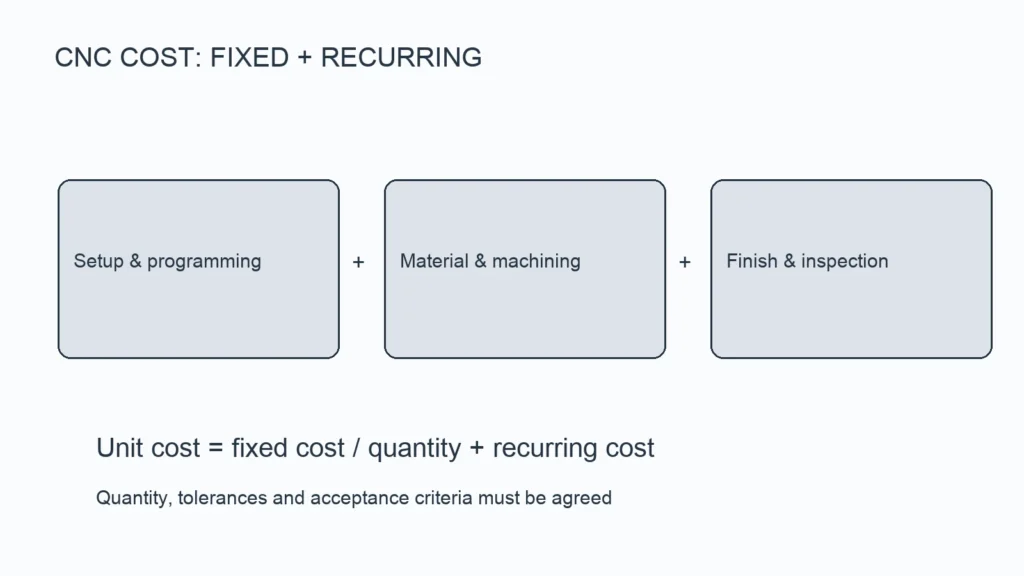
The unit price of a CNC-machined part is shaped by four variables: material grade, number of axes, tool-path complexity, and batch quantity. A simple 3-axis aluminum bracket in 500 pieces costs a fraction of a 5-axis titanium housing in 50.
Material selection alone can shift unit cost by 30–60% between 6061-T6 aluminum, 304 stainless, and PEEK plastic. Tolerances below ±0.01 mm typically push the part into 5축 밀링 territory and add setup time.
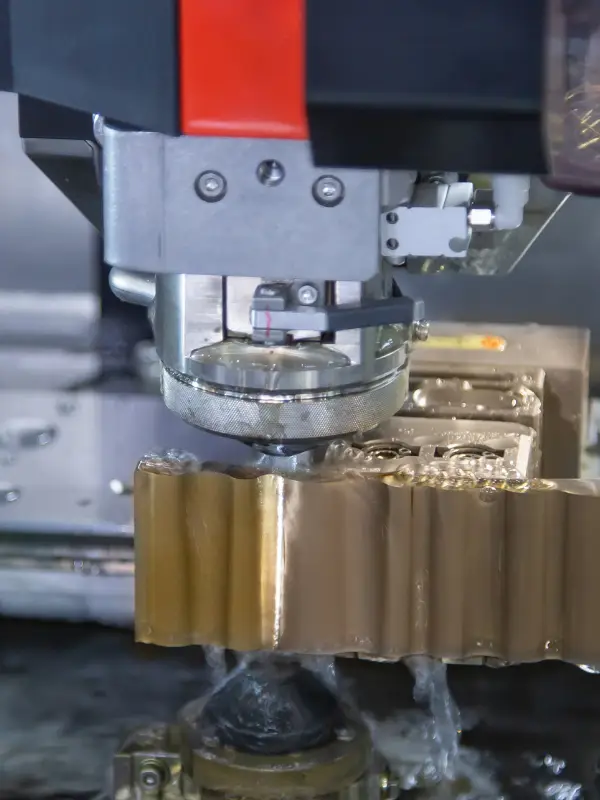
A frequent mistake is sending a 2D drawing without specifying finish, deburr standard, or acceptable surface roughness. Shops then default to their lowest-cost interpretation, which rarely matches the buyer’s actual need.
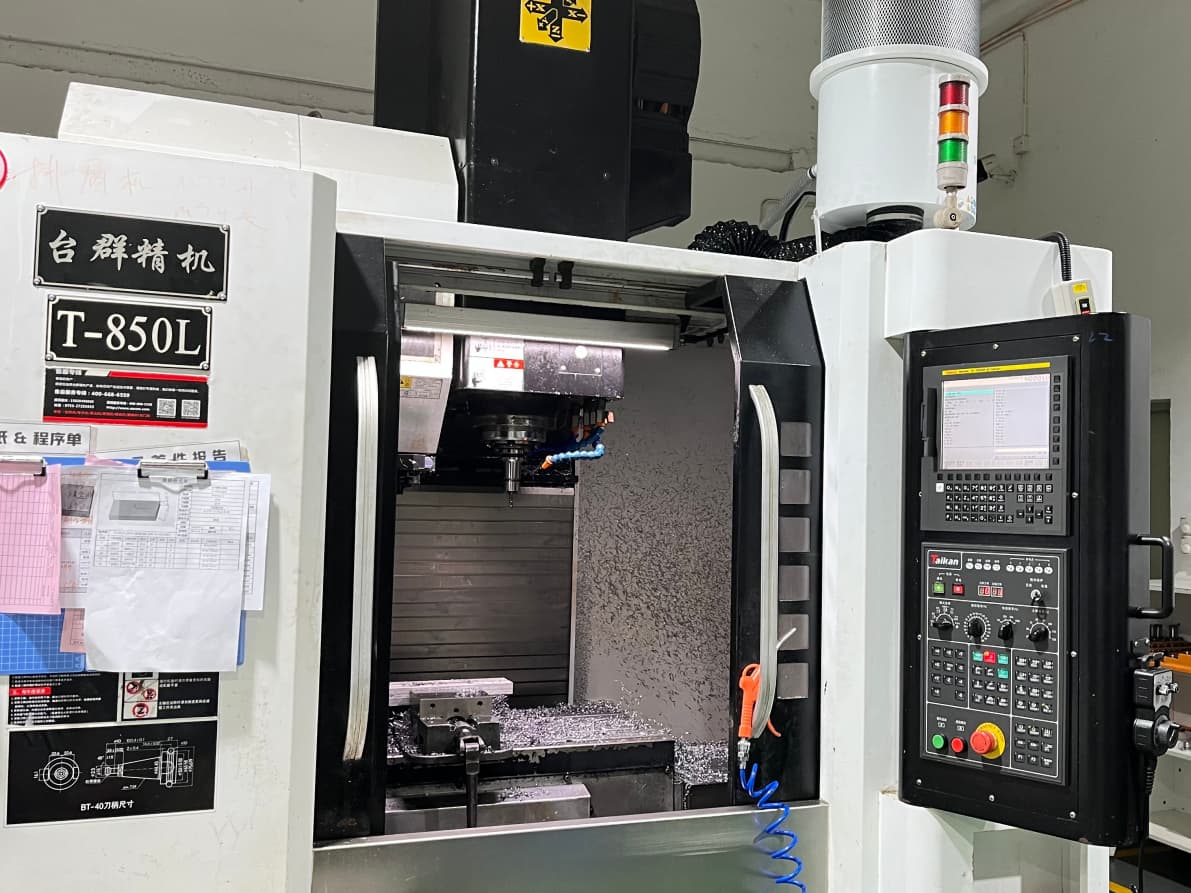
Before releasing a purchase order, confirm which CNC 가공 공정 your part requires—milling, turning, or a combination—and whether the shop holds the relevant machine capacity in-house.
A Pre-Order Checklist That Reduces Rework
YPMFG provides an engineering review on drawings before quoting, which catches spec gaps before they become expensive rework. If your project involves 맞춤형 CNC 부품 or mixed-material assemblies, sending the full BOM and assembly drawing alongside individual part files shortens the quotation cycle significantly.
구매자들이 자주 묻는 질문
How long does a first CNC batch in China typically take?
Most shops quote 10–20 business days for 50–500 standard pieces. Complex 5-axis parts or new material sourcing can extend the timeline to 30 days or more.
Do I need to visit the factory in person?
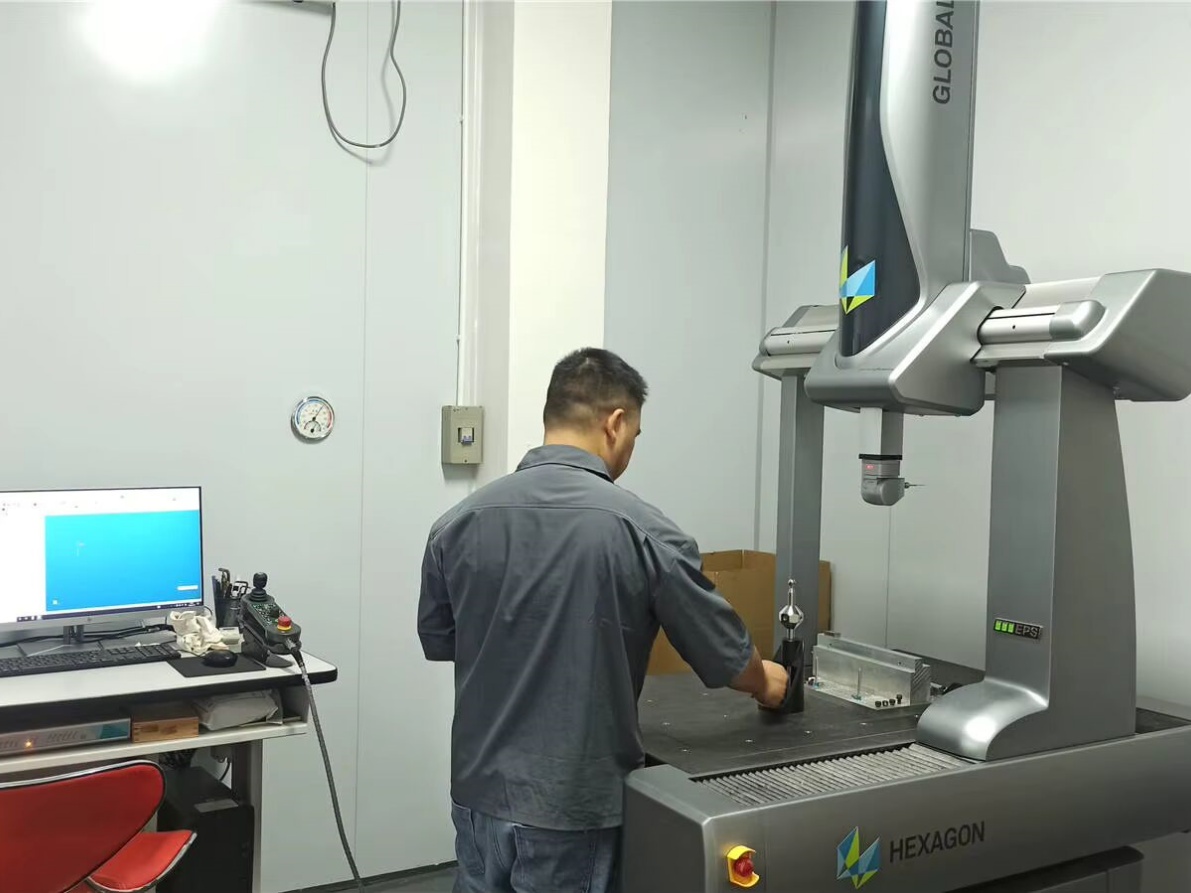
Not in most cases. A video walkthrough of the shop floor, one trial part, and a CMM inspection report usually provide enough confidence. For safety-critical or high-volume programs, an on-site audit is worth the travel cost.
Which standards should I reference on my drawing?
Use ISO 2768 for general tolerances unless the application demands tighter control. Call out GD&T per ASME Y14.5 or ISO 1101 for functional features. Specify material by ASTM or EN grade rather than a generic “stainless steel.”
Can I get a prototype before committing to a full batch?
Yes. Most shops, including YPMFG, will machine 1–5 prototype units from the same CAM program. This is the lowest-cost way to validate fit, finish, and function before scaling volume.
Making a Safer Sourcing Decision
The difference between a smooth order and a costly rework almost always traces back to one of three gaps: unclear specs, missing inspection evidence, or assumptions about what “standard” means. Before your next RFQ, walk your drawing against the checklist above and confirm that tolerance, finish, material grade, and acceptance criteria are all explicit.
You can send part drawings, BOM, or 3D files to YPMFG for an engineering assessment. The team will flag spec gaps, suggest process alternatives where cost savings exist, and return a detailed quotation with lead-time options so you can compare against your current supplier.