 English
  German
  Russian
  Japanese
  Korean
  Spanish
  French
  Italian
  Portuguese
 Quick answer:
Precision micro machining is the process of manufacturing parts with extremely tight dimensional tolerances, typically below ±0.01 mm, and often featuring tiny geometries that require specialized equipment and skilled engineering. It matters most when your application demands high repeatability, superior surface quality, or components too small for conventional machining to handle reliably. If your parts have features under 1 mm, require Class 6–10 surface finishes, or must hold tolerances tighter than ±0.005 mm, precision micro machining is likely the right path. Getting this wrong often leads to scrapped parts, delayed projects, and higher total cost than expected.
Why precision micro machining is different
Conventional CNC machining works well for many standard parts, but it struggles when part size drops below a few millimeters or when tolerance bands become extremely narrow. At this scale, thermal expansion, tool deflection, and material behavior change significantly. Even slight variations in spindle runout or fixturing can ruin a batch of small components.
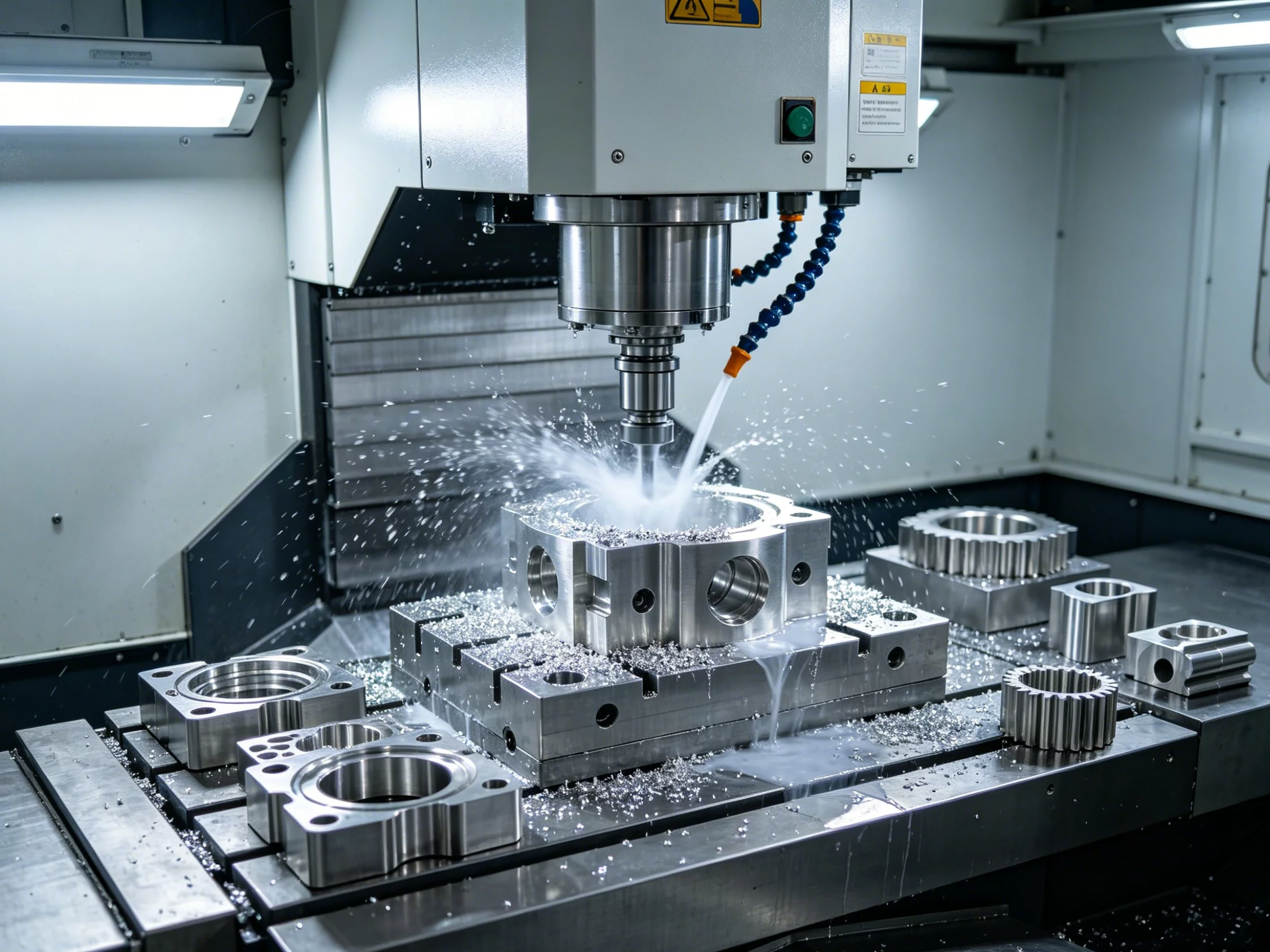
Precision micro machining addresses these challenges by using high-speed spindles, specialized tooling, vibration-dampened machine frames, and advanced motion control. These systems allow manufacturers to produce features that would be impossible or highly inconsistent on standard equipment.
When your design includes delicate walls, micro holes, fine threads, or complex 3D contours at small scale, micro CNC machining becomes the appropriate manufacturing choice rather than an optional upgrade.
Typical applications across industries
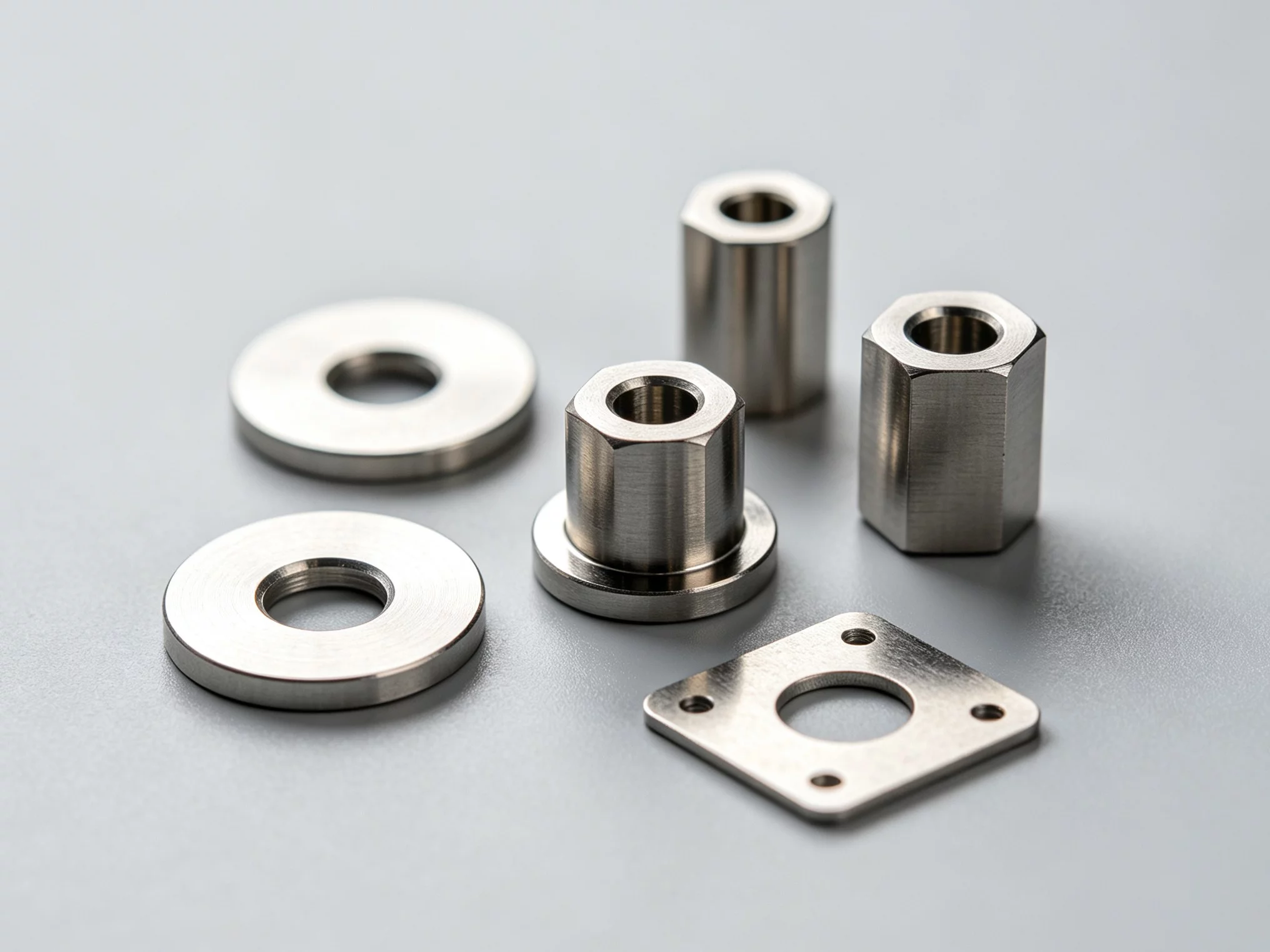
Precision micro machined parts appear in many high-value sectors where performance depends on exact geometry and consistent quality. Medical devices are one of the largest users. Surgical instruments,implant components, and diagnostic equipment all rely on micro-machined parts that meet strict hygiene and dimensional requirements.
Aerospace and defense applications also demand micro precision. Sensors, actuators, fuel system components, and electronics housings often require tight tolerances to survive extreme environments. Automotive electronics and connector systems follow a similar pattern, where miniaturization and reliability go hand in hand.
Other common use cases include optical components, semiconductor equipment parts, watch movements, and miniature electrical contacts. Every one of these sectors requires different material choices, surface treatments, and quality documentation. Understanding which medical CNC parts or aerospace micro components your project needs will help you choose the right manufacturer and process.
What tolerances and surface finishes are realistic
Typical tolerance ranges for precision micro machining fall between ±0.005 mm and ±0.025 mm, depending on part size, material, and feature complexity. Smaller features generally allow tighter tolerances, while larger micro parts may sit at the looser end of that band. A well-controlled shop with proper equipment and process discipline can consistently achieve these ranges.
Surface finish is equally important. Ra values between 0.2 µm and 0.8 µm are common for critical micro features. Some applications may require even smoother finishes, which can be reached through additional processes like polishing, vibratory finishing, or specialized tool paths. Rougher finishes may be acceptable for non-critical surfaces, which can reduce cost without affecting performance.
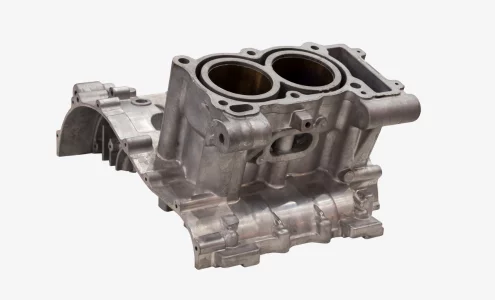
The relationship between tolerance, surface finish, and cost is direct. Tighter requirements usually mean slower cycle times, more delicate tooling, and stricter quality inspection. A thoughtful specification that distinguishes critical from non-critical features helps control expense while still meeting functional needs.
Material selection for micro parts
Material choice has a major impact on machinability, final part performance, and overall cost. Common materials for precision micro machining include aluminum alloys, stainless steel, brass, copper, titanium, and various engineering plastics.
Aluminum alloys such as 6061 and 7075 are popular for their excellent machinability and lightweight properties. They work well for thermal management components, electronic housings, and general-purpose micro parts. Stainless steel grades like 303, 316, and 17-4 PH provide corrosion resistance and higher strength, making them suitable for medical and industrial applications.
Brass and copper offer superior electrical and thermal conductivity, which is why they are often selected for connectors and contact elements. Titanium delivers high strength-to-weight ratio and biocompatibility, but it requires careful tool selection and slower cutting parameters. Plastics like PEEK, PTFE, and acetal are used when electrical insulation or chemical resistance is needed.
Each material behaves differently under micro cutting conditions. Material hardness, chip formation characteristics, and thermal conductivity all influence tool life and surface quality. A manufacturer with broad material experience can guide you toward the most practical choice for your specific application.
Tooling and equipment considerations
Specialized tooling is one of the most critical factors in successful micro machining. Standard end mills are not suitable for features below approximately 1 mm. Micro end mills, burr tools, and drill bits are made from solid carbide and often have diameters ranging from 0.01 mm to 1.0 mm.
These small tools are fragile and require careful handling, proper flute geometry, and appropriate coatings. Coatings such as TiAlN or DLC can extend tool life and improve surface finish in certain materials. Tool runout must be minimized, usually through high-quality collets or hydraulic holders, to prevent uneven wear and dimension variation.
The machine itself also matters. Precision micro machining typically requires linear encoders, air-bearing spindles, and active vibration isolation. Modern machines offer sub-micron positioning accuracy and thermal compensation systems that help maintain consistency over long production runs. When evaluating a supplier, understanding their equipment capabilities and maintenance practices can reveal a lot about their ability to deliver consistent results.
Quality control and inspection methods
Measuring micro features requires equipment designed for that scale. Optical comparators, coordinate measuring machines with micro probes, and laser scanning systems are commonly used. Some shops also employ digital microscopy and confocal sensors for detailed surface analysis.
Inspection should be planned before production begins. A clear inspection protocol that specifies which features to measure, what instruments to use, and what acceptance criteria apply reduces ambiguity and rework. Statistical process control methods can help track variation over time and catch drift before it results in out-of-spec parts.

Documentation quality also signals a manufacturer’s commitment to consistency. First article inspection reports, material certifications, process records, and traceability information are all valuable for industries with compliance requirements. Buyers should request these documents early in the qualification process rather than waiting until production is complete.
Cost factors to understand
Micro machining costs are driven by several factors beyond simple unit price. Setup time is often significant because small parts require careful fixturing and program optimization. Cycle time increases when tight tolerances or smooth finishes are specified. Tool replacement frequency also rises with smaller tools and harder materials.
Part complexity plays a major role. A simple micro pin may cost far less per piece than a complex micro housing with internal channels, threaded holes, and fine features. Minimum order quantities can affect pricing as well, since some micro processes are not economical at very low volumes.
Hidden costs sometimes appear in post-processing steps. Deburring micro parts is difficult and may require manual work or specialized equipment. Surface treatments such as anodizing, passivation, or plating add time and expense. A transparent quote that breaks out machining, finishing, inspection, and packaging gives you a clearer picture of total cost.
Common mistakes to avoid
One frequent error is specifying uniform tight tolerances across all features. This approach drives up cost without improving performance for non-critical dimensions. A more effective strategy is to identify which features truly affect function and apply tight tolerances only there.
Another mistake is choosing a material based solely on mechanical properties without considering machinability. Some materials that look ideal on paper are extremely difficult to machine at micro scale. Working with an experienced manufacturer early in the design phase can prevent these issues.
Design features that are too small for reliable machining also cause problems. Sharp internal corners, very thin walls, and deep narrow slots may not be feasible with standard micro tools. Allowing adequate corner radii and wall thickness improves yield and reduces risk. Reviewing your CAD model with a precision manufacturing partner before committing to production can save significant time and money.
Comparison: conventional vs precision micro machining
This comparison shows that the two approaches serve different needs. Conventional machining is cost-effective for standard parts. Precision micro machining is necessary when size, tolerance, or surface quality demands exceed what standard equipment can reliably achieve.
Practical questions before choosing a process
Buyers often have the same core concerns when evaluating micro machining options. These questions help clarify whether a project is well-suited for precision micro manufacturing and what to expect from a qualified supplier.
What tolerances can you realistically hold for my part geometry?
The answer depends on feature size, material, and complexity. Your supplier should provide tolerance guidance based on similar past work and be transparent about limitations for unusual designs.
How do you inspect micro features and what documentation do you provide?
Look for suppliers who use appropriate metrology equipment and share inspection reports. Clear documentation supports quality tracking and simplifies audits in regulated industries.
Can you support design for manufacturability review before I finalize my drawings?
A responsive manufacturer will review your design early and suggest modifications that improve yield without sacrificing function. This step often reduces cost and lead time significantly.
What is your approach to quality consistency across production runs?
Process control, equipment calibration, and operator training are all relevant. Ask about how the shop monitors variation and handles nonconformance when it occurs.
Choosing the right manufacturer for your micro machining needs
Selecting a partner for precision micro machining is not just about finding the lowest price. It is about finding a team that understands your application, can guide design decisions, and delivers consistent quality over time. Experience with your specific industry and material requirements matters more than generic capability claims.
YPMFG offers CNC machining and CNC parts manufacturing services with focus on precision and repeatability. The team can provide engineering evaluation, material recommendations, and process planning tailored to your design. You can send your specifications to YPMFG for review and request a detailed quote along with supporting documentation.
When working with any supplier, ask about their equipment, quality processes, and experience with similar projects. A manufacturer that communicates clearly and provides concrete answers is usually better equipped to handle the demands of micro machining. Taking these steps early helps you make a decision based on capability rather than assumption.