 French
  English
  German
  Russian
  Japanese
  Korean
  Spanish
  Italian
  Portuguese
 Réponse rapide :
Choisir le bon watch case machining partner requires balancing tight tolérances, surface finish quality, and material compatibility. Precision matters more than raw price for luxury or smartwatch components. You should verify if the manufacturer offers 5-axis CNC capabilities to handle complex curves. Look for evidence of micro-tolerance control below 0.01mm. Confirm they support your specific matériaux,such as acier inoxydable or titanium. Ensure they provide material traceability and post-machining finishing options. A reliable supplier will share engineering evaluations before production starts.
Selection Guide for Watch Case Machining
Watch case components face unique challenges due to their small size and high visibility. Scratches or uneven polishing are immediately noticeable. Buyers must prioritize suppliers who understand both Fraisage CNC and manual finishing. This dual expertise prevents common defects like stress marks or inconsistent plating.
Many buyers struggle with inconsistent surface finishes across batches. This often stems from poor post-processing control. Your supplier should have clear protocols for sanding and polishing stages. YPMFG supports projects that require this level of detail in precision metal parts. We focus on maintaining consistent geometry and finish quality.
Table des matières
Critical Tolerances and Materials
5-Axis vs. 3-Axis Capacité
Post-Machining and Finishing

Common Questions About Watch Case Production
Prendre une meilleure décision à long terme
Critical Tolerances and Materials
Watch cases require strict dimensional control to ensure proper assembly. Case back alignment must be perfect to prevent water ingress. Tolerances typically range between ±0.01mm and ±0.05mm. You should specify these limits clearly in your drawings.
Material choice impacts both machinability and final aesthetics. Acier inoxydable 316L is standard for durability. Titanium offers a lightweight alternative with better hypoallergenic properties. Some clients select copper alloy for specific plating scenarios. Each material has different chip formation characteristics during Usinage CNC.
5-Axis vs. 3-Axis Capacité
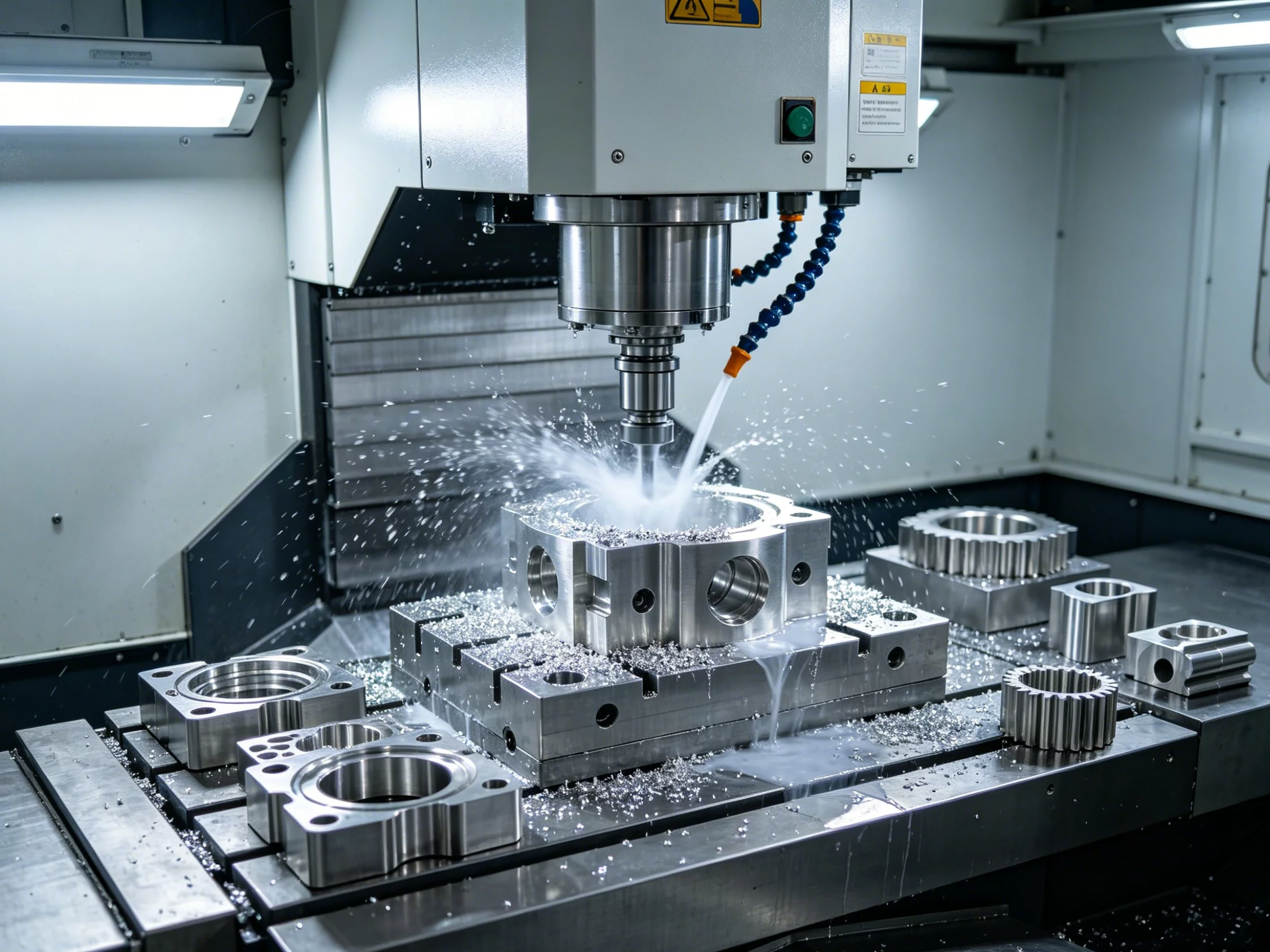
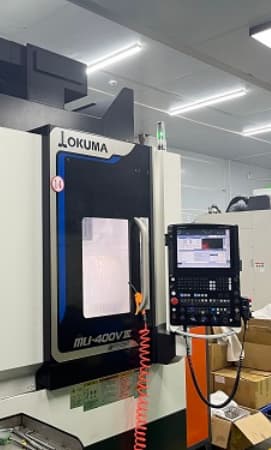
Complex watch case shapes often demand multi-axis simultaneous processing. A 3-axis machine struggles with undercuts and curved lugs. 5-axis CNC machining allows for smoother tool paths. This reduces chatter marks and improves surface integrity. It also minimizes the number of setup changes required.
Setup errors are a major source of dimensional drift. Fewer setups mean fewer chances for misalignment. This is critical for high-volume production consistency. You should ask your partner how many clamping stages their process involves. A streamlined workflow often indicates better process control. YPMFG can help you evaluate if your specific case design benefits from multi-axis processing. We provide engineering assessments based on your CAD data.

Post-Machining and Finishing
Machining is only the first step in creating a watch case. Rough milling leaves tool marks that must be removed. The final finish determines the product’s perceived value. Common methods include mechanical polishing and PVD coating. Chemical plating is another option for certain metals.
You must define the final appearance early. A mirror finish requires a different material grain structure than a hairline finish. Request samples before committing to full production. Review the sample testing results thoroughly. Check for color consistency across different areas of the case. Ask about edge treatment and corner radii. These details are often overlooked but highly visible.
Common Questions About Watch Case Production
What is the lead time for prototyping?
Prototyping timelines vary based on design complexity. Simple cases may take 5-7 days. Complex geometries often require 10-14 days. This includes design review and initial CNC turning or milling. Confirm your supplier’s current capacity.
Can you handle small batch production?
Yes, flexible production lines support small runs. This is useful for new product launches. You should verify the minimum order quantity limits. Ask about setup costs for low-volume jobs.
How do you ensure dimensional stability?
Tight process controls and regular gauge checks ensure stability. Use of coordinate measuring machines (CMM) is standard. Review their Quality Control reports. Look for pass rates on critical dimensions.
Do you provide material certificates?
Reputable manufacturers provide mill certificates for all batches. This ensures traceability for compliance needs. Verify the grade and heat number. Keep these documents for your records.
What post-processing options are available?
Options include polishing, anodizing, and PVD coating. Each adds lead time and cost. Discuss these options during the quotation stage. Align on the final aesthetic requirements.
Prendre une meilleure décision à long terme
Choosing the right partner impacts your product quality and cost. Focus on their ability to solve technical problems. Do not just look at the unit price. Consider the total cost of ownership. This includes rework, scrap rates, and delivery reliability.
Send your specifications to YPMFG for a detailed review. We can provide engineering suggestions to optimize manufacturability. Request a quotation that includes both machining and finishing. This ensures you get a complete picture of costs. Compare their proposed methods against your current standards. Make a decision based on verified capability and clear communication.