Japanese
  English
  German
  Russian
  Korean
  Spanish
  French
  Italian
  Portuguese
 Yes, you can 3D print functional components for 3D printed CNC mill applications, but with clear limits. Additive manufacturing works well for non-critical jigs, soft fixtures, covers, and rapid prototyping of new geometries. It does not replace precision-machined workholding or high-tolerance structural parts that face sustained cutting forces. The deciding factor is whether your application demands sub-0.01 mm tolerances, high cyclic fatigue resistance, or consistent surface integrity under thermal load. If it does, conventional CNC加工 remains the reliable path.
Many procurement teams are evaluating whether additive processes can cut lead time and cost for their mill support components. The answer depends on material class, load conditions, and tolerance requirements. YPMFG works with manufacturers making exactly this decision, and the same three questions tend to surface: what holds up, what breaks, and what costs more over the component’s service life.
Material Selection for Printed Mill Components
The material you select determines whether a printed part survives in a high-RPM milling environment. Industrial additive processes for functional parts fall into two groups: resin-based (SLA, DLP) and metal-based (SLM, DMLS, EBM).
Resin prints offer fine surface finish and tight dimensional control. They handle moderate static loads well. They fail quickly in sustained high-heat or high-vibration zones near the spindle.
Metal prints, particularly in ステンレス鋼 そして tool steel alloys, perform closer to machined parts under dynamic load. Residual stress from the printing process can cause micro-cracking over time if post-processing heat treatment is skipped.
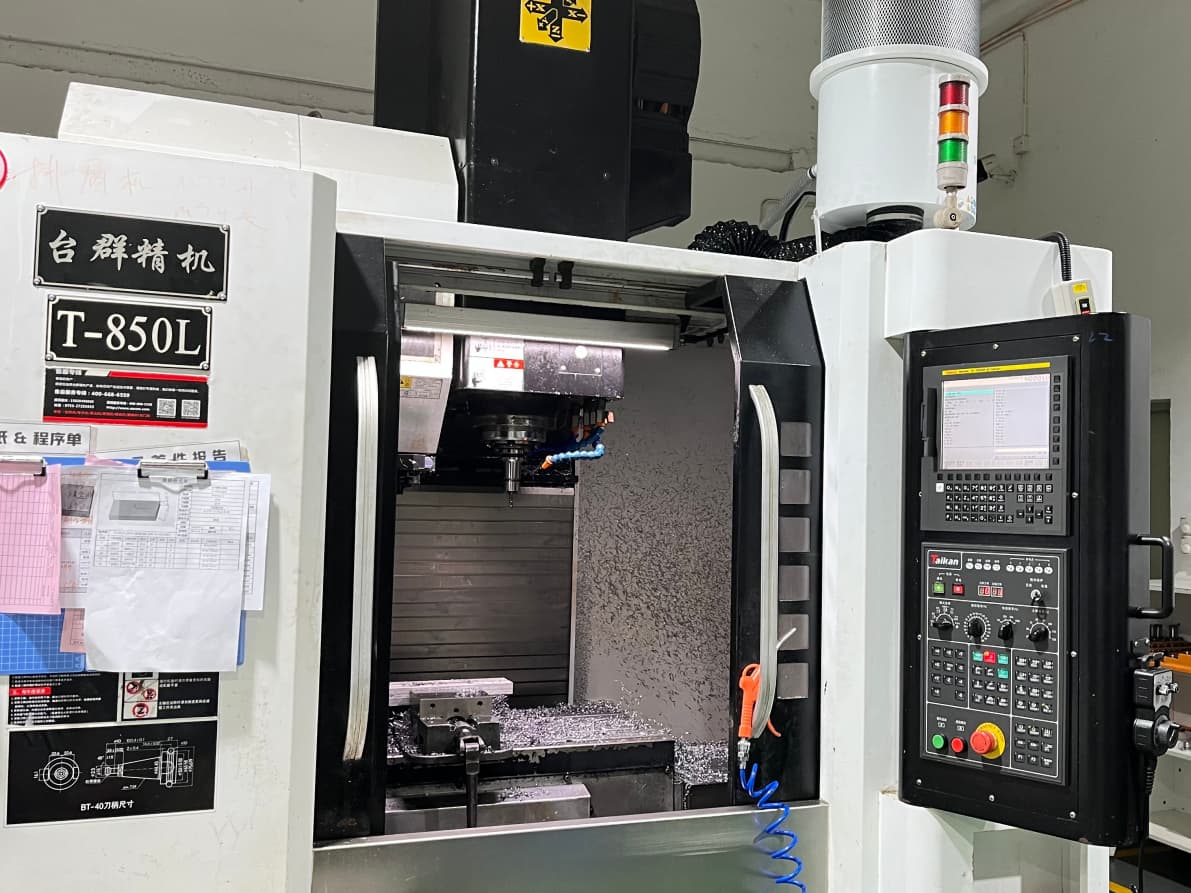
The table shows why most critical workholding in a CNCフライス加工 setup still goes through conventional machining. Printed parts fit best where geometry complexity justifies the accuracy trade-off.
許容差 and Surface Finish in Practice
Dimensional accuracy is the first failure point for printed parts in precision environments. A resin-printed jig may look fine on day one, but thermal drift during extended milling cycles can push accumulated error past your 許容差仕様 within hours.
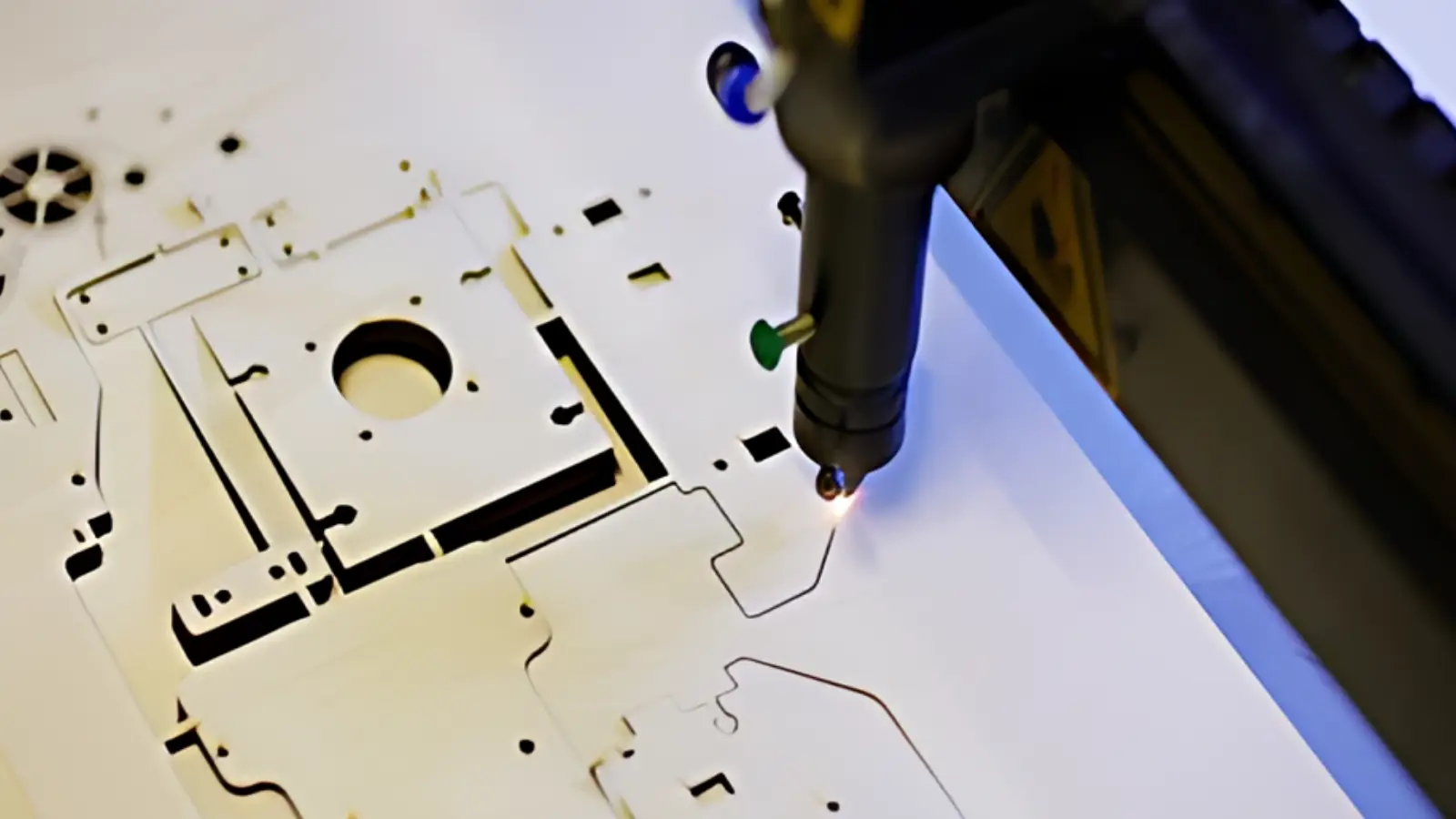
Metal-printed components behave differently. A well-calibrated printer can hold ±0.05 mm, which is acceptable for a guide plate or support bracket. It is not acceptable for a tool-holder bore that must seat a collet at 0.005 mm runout.
Surface finish also matters. Laser-woven metal surfaces carry a roughness that traps coolant and accelerates fretting at mating faces. If your application includes repeated clamping and unclamping, plan on a secondary grinding or finishing pass.
When you specify a printed part, state the critical dimensions, the mating surface finish, and the expected service temperature. These three data points let an engineer confirm whether additive is viable or whether you need a machined alternative.
When to Print, When to Machine
Use 3D printing when:
Geometry is too complex for subtractive methods (internal channels, organic shapes, lattice structures)
Lead time is under 48 hours and you need a fixture before the next production run
You are prototyping a new tool holder design and want to validate fit before committing to a machined steel part
Volume is under 20 units and the part is non-critical to the dimensional chain
Use conventional machining when:
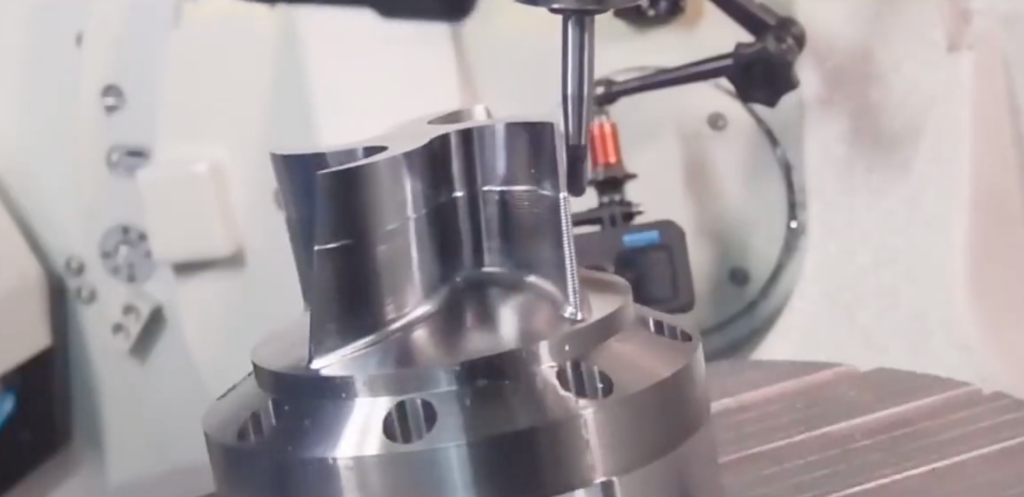
Tolerance requirements are tighter than ±0.02 mm
The part faces sustained cutting forces above 5 kN
Cyclic fatigue life must exceed 10⁶ cycles
The mating surface must achieve Ra < 0.8 µm without secondary finishing
If you are unsure which route applies, the fastest path is to send your drawing or CAD file to an engineering team that has done both processes. YPMFG’s engineering desk reviews specifications and flags which features are printable and which need a machined finish. That review typically returns within two business days.
## Questions Buyers Ask Before Specifying Printed Parts
What is the realistic service life of a metal-printed bracket in a CNC mill?
It depends on load and fatigue regime. A static bracket at room temperature can last indefinitely. A bracket cycling under 2 kN may show micro-crack initiation after several thousand cycles. Request a fatigue test report if your target exceeds one year.
Can I 3D print a complete tool holder?
A soft or secondary holder for low-speed applications, yes. A primary holder that must hold 0.005 mm concentricity at 12,000 rpm, no. The bore and locating face still need a 精密加工 pass.
What material do I need for a part that contacts hot chip flow?
Select a tool-steel alloy printed via SLM or DMLS, followed by stress-relief heat treatment. Resin and standard aluminum prints will degrade above 200 °C.
How tight is the accuracy of a metal-printed gear-like component?
Expect ±0.05 mm on external features. Internal involute geometry will not match a ground gear. If functional meshing is required, the part still needs a secondary machining step.
Do I need to worry about internal porosity?
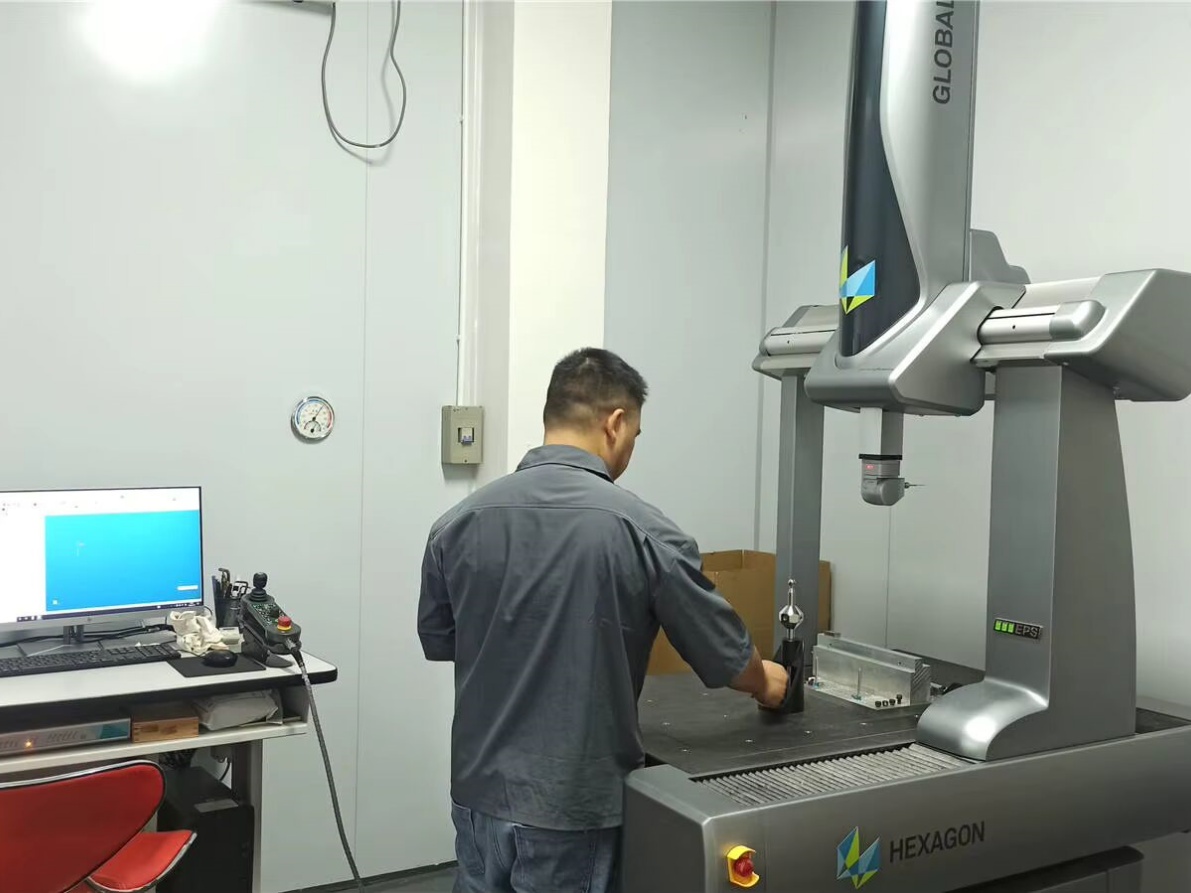
Yes, for any load-bearing part. Request a CT-scan or radiographic inspection before accepting the component. A clean scan confirms the part will not fail under unexpected overload.
Choosing the Right Route for Your Component
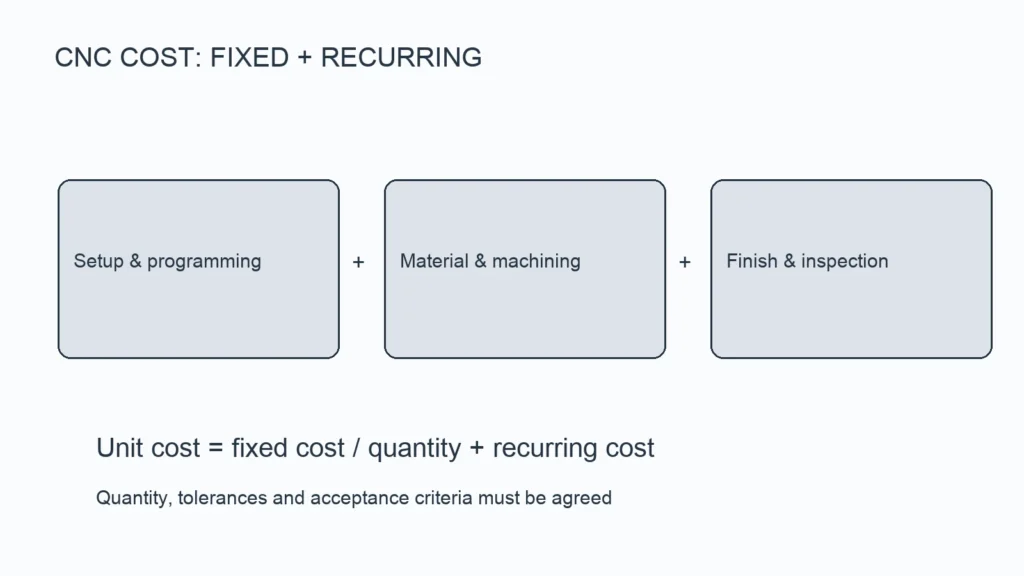
The decision between additive and subtractive manufacturing for your mill components comes down to three numbers: tolerance, load, and service life. If you can define those three for each part in your BOM, the routing decision becomes straightforward.
If you are still weighing options, send your specifications, material requirements, and service conditions to YPMFG. Our engineering team will evaluate whether a 3D printed component can meet your needs, which features require a machined finish, and what the total cost of ownership looks like over the expected life. You get a written assessment, not a sales pitch, within two business days.