Japanese
 English
 German
 Russian
 Korean
 Spanish
 French
 Italian
 Portuguese

A CNC turned and milled stainless steel watch case combines two machining processes on one part. Turning handles the cylindrical tube, bezel, and case back. Milling adds lugs, crown guards, and flat or contoured surfaces. Most modern designs require both because a lathe alone cannot produce three-dimensional lug geometry. Define your 材料のグレード, wall thickness, 表面仕上げ,and 許容差仕様 before requesting a quote. Getting these parameters wrong often triggers rework or a part that fails in final assembly.
Watch case buyers regularly receive a first sample only to discover the lug angle is off, the finish is uneven, or the material is not the grade they called out. The root cause is almost always unclear communication on the drawing side. YPMFG supports watch brands and component suppliers by reviewing specifications before any cutting takes place, so mismatches surface in the CAD stage rather than on the shop floor.
## How Turning and Milling Work Together on a Watch Case
A watch case is a hybrid geometry that no single axis set can handle in one pass. CNC旋盤加工 produces the round tube, bezel ring, and case back while the part spins. CNCフライス加工 then handles the lugs, crown guards, and any flat or sculpted surfaces that a chuck cannot reach. Some simple bezel-only rings are turned entirely on a lathe, but the majority of case designs need at least one milling operation. The hand-off between the two processes is where dimensional drift sneaks in, so the machining plan should state which features are turned, which are milled, and what datum each set uses.
発注前に確定すべき重要な仕様
Before you send a drawing or request a quote, the parameters below determine whether the part will be right the first time.
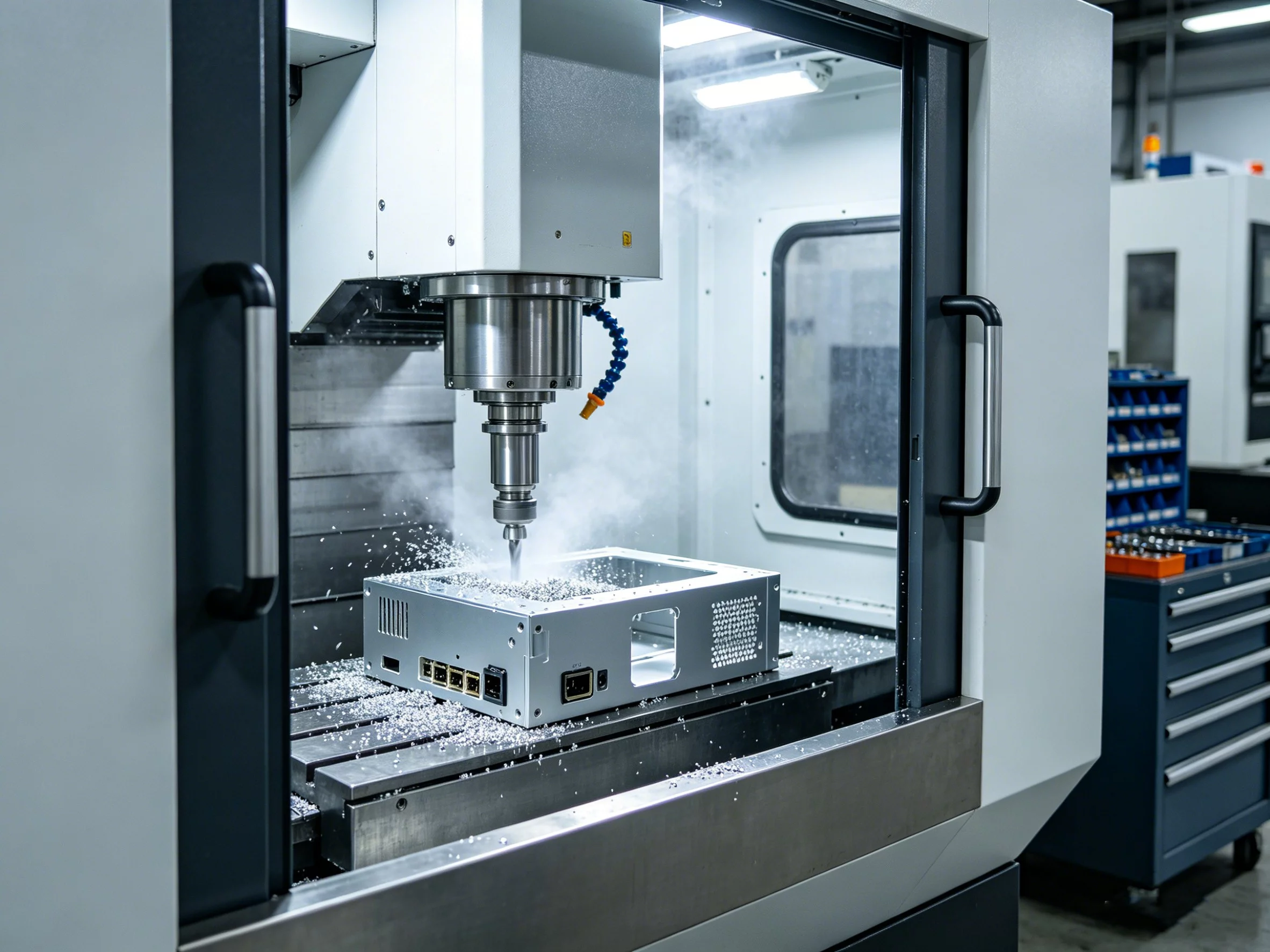
Reviewing each row against your actual drawing before the first cut is the single most effective way to avoid a second sample round.
Mistakes That Quietly Add Cost
Specifying “stainless steel” without a grade number. 304 and 316L behave very differently under thermal stress and in coastal environments. Always call out the ASTM or EN standard by name.
Omitting a deburring or passivation step. Raw-machined stainless corrodes unevenly if the passive chromium-oxide layer is not restored after cutting.
Ignoring the parting-line location. A case turned from a solid bar has no seam. A welded sheet case has one, and its position affects aesthetics.
Applying the same tolerance to a decorative groove as to the crystal seat. Cosmetic features do not need ±0.01 mm; reserving that budget for functional surfaces keeps cost in check.
Requesting a single quote with no 製造適性を考慮した設計 feedback. A short engineering note from the machining shop can flag a chamfer that will round off in one pass, saving an entire revision cycle.
YPMFG runs a DFM pass on every incoming drawing, flagging features that are expensive to hold or that conflict with the selected material, before the part is scheduled.
## Practical Questions Before Choosing a 機械加工 Partner
Can a watch case be machined in a single setup?
Most modern cases with lugs need at least two setups: turning for the tube and bezel, then milling for lugs and back. Simple bezel-only rings can stay on the lathe. Fewer setups reduce fixture error and tighten the achievable tolerance, so confirm the setup flow early.
What surface finish should I specify for a stainless steel case?
It depends on the aesthetic target. A mirror polish below 0.2 µm Ra shows every tool mark. A brushed finish in the 0.8–1.6 µm range hides minor handling marks and ages better in daily wear. Specify the finish zone by zone on your drawing rather than as one global callout.
How many sample iterations are typical for a new case?
For a new design, expect two to three rounds before production sign-off. The first sample validates the CAD-to-CNC conversion. Later samples usually focus on finish consistency, deburring, and assembly fit. Build the iteration budget and timeline into your project plan from the start.
Does material choice affect machining speed and cost?
Yes. 316L is roughly 15–25% harder to machine than 304, meaning slower feeds, more tool wear, and a modest cost bump. 904L is more resistant still. If your design allows it, 316L remains the most common balance of corrosion resistance and machinability for watch cases.
Making the Right Call on Your Next Case Run
〜を手に入れる stainless steel watch case right the first time comes down to matching your drawing data to the machine’s capability and the material’s behavior. Before you commit to a production run, send your specification sheet, material certificate requirement, and finish callouts to YPMFG ~のために 技術レビュー. The team will flag ambiguous tolerances, suggest practical finish alternatives, and confirm whether your geometry suits turning, milling, or a combination of both, so the first sample lands where you need it.