Japanese
 English
 German
 Russian
 Korean
 Spanish
 French
 Italian
 Portuguese

CNC turning is a subtractive process where a workpiece spins against a single-point cutting tool to shape cylindrical components. The output—turned parts with precise diameters, threads, grooves, and chamfers—feeds everything from automotive shafts to medical device housings. For a buyer, the real question is not just whether a shop can produce the part, but whether it will perform reliably across its full service life. Material grade, 許容範囲の仕様, heat treatment, and post-machining steps all shift both the unit price and the failure risk. Locking these parameters down before the first cut avoids costly rework cycles.
Many procurement teams hit surprises after the first batch arrives: dimensions drift, surface finish falls short, or lead times stretch. The gap between a quick 2D sketch and a production-ready CNC turned component is where most of those problems originate. YPMFG supports buyers at exactly this stage, reviewing designs for manufacturability before any material is cut.
## Key Specifications to Verify Before Placing an Order
A clear spec sheet is the single most important document you can send to a machining partner. Vague descriptions like “standard tolerance” lead to assumptions on both sides. Use the table below to structure your request and reduce back-and-forth.
Once this table is filled out, the quote you receive will be far more accurate and less likely to change mid-project.
What Actually Drives Cost in CNC Turning
The unit price for CNC旋盤加工 is not a fixed number per part. Several variables interact, and understanding them helps you compare quotes on equal footing.

材料の選定 influences raw-stock price and cutting speed. Stainless and titanium alloys cost more to buy and machine slower than carbon steel.
Tight tolerances below ±0.02 mm add inspection time and may require a CNC旋盤 with a higher-precision spindle.
Multiple thread sections or non-standard pitches increase tool changes and cycle time.
Post-processing steps such as heat treatment, plating, or deburring appear as separate cost lines.
At low volumes, set-up and programming costs are amortized over fewer parts, raising the per-unit figure.
Before comparing two quotes, confirm whether both shops are quoting the same tolerance, finish, and material condition. A $0.30 gap may simply reflect different assumptions.
Common Mistakes When Sourcing Turned Parts
Sending only a 2D drawing without a 3D model or datum scheme, leaving the shop to guess critical dimensions.
Specifying a difficult-to-machine alloy like hardened tool steel without allowing extra cycle time or specialty tooling.
Overlooking custom turned components that need secondary operations—milling, drilling,tapping—on the same lathe.
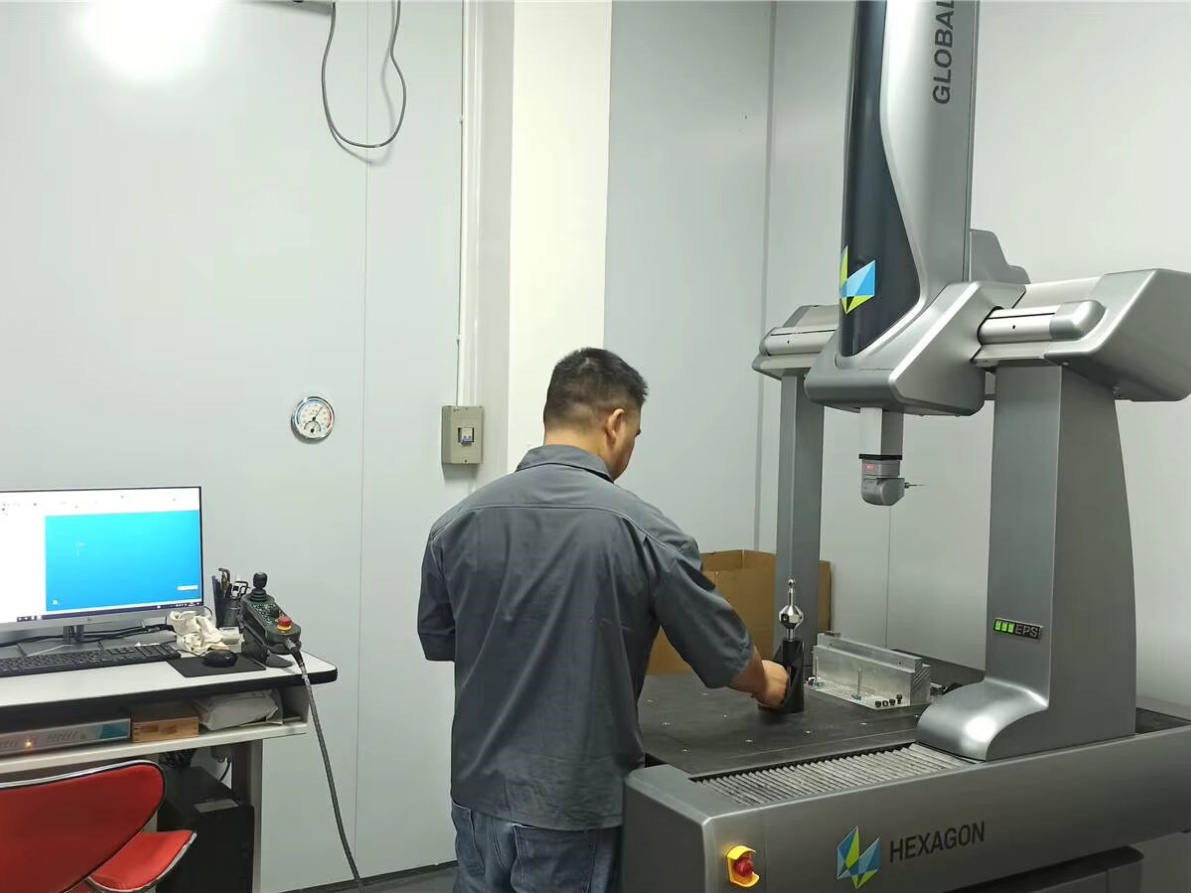
Not defining acceptance criteria: the rejection percentage, the inspection report format, and who owns the CMM data.
Assuming the lowest quote wins. A small per-part saving can vanish after three revision cycles and a delayed production start.
Reviewing these points with a machining engineer before releasing a PO typically saves more time and money than any single design change.
CNC旋削加工について購買担当者がよく尋ねる質問
Can CNC turning produce internal features like bores or threads?
Yes. A live tool or internal boring bar on a CNC旋盤 handles bores, internal threads, and cross-drilled holes in a single setup. The part simply needs enough material thickness to support the tool path.
What tolerance can a standard CNC turning shop hold?
Most shops routinely achieve ±0.02 mm on diameters. Tighter values, such as ±0.005 mm, are possible but add inspection time and may require a closed-loop servo system. Confirm the achievable range for your specific geometry before finalizing the spec.
Does material choice affect lead time?
In many cases, yes. Specialty alloys like Inconel or duplex stainless may need to be sourced from a secondary mill, adding two to four weeks. Stocked materials such as 303 SS or 6061 aluminum are typically available on-site and reduce scheduling risk.
How do I know if my part is better suited to turning versus milling?
Parts that are primarily cylindrical with rotational symmetry are the natural fit for turning. If your design includes complex flat features, multi-axis contours, or deep pockets, a turning-milling compound center or a separate CNCフライス加工 operation may be more economical. YPMFG can review your geometry and recommend the shortest, most cost-effective process path.
What documentation should I expect with a delivered batch?
At minimum: a certificate of material, a dimensional inspection report covering critical features, and surface-finish verification if specified. For regulated industries, a material traceability log and heat-treatment record are also standard.
## Choosing the Right CNC Turning Partner for Your Application
The right partner for CNC turned components is not the one with the lowest hourly rate. It is the one that can read your drawing, flag manufacturability risks early, and hold tolerance through the full production run. Send your specifications to YPMFG for a no-obligation engineering review. You will receive a written assessment covering material suitability, recommended process steps, and a transparent cost breakdown—so you can make the next sourcing decision with full visibility.