Japanese
 English
 German
 Russian
 Korean
 Spanish
 French
 Italian
 Portuguese

Welding sheet metal parts joins thin-gauge or mid-gauge metal panels using heat-based processes such as MIG, TIG, or laser welding. The finished component depends heavily on material thickness, joint geometry, and post-weld finishing. Buyers should confirm process suitability before finalizing drawings.
Picking the wrong method for your gauge causes warping, porosity, or weak joints that no surface finish will hide. The right weld sheet metal parts process also drives your unit cost and batch-to-batch consistency over the life of the program.
Many buyers treat welded sheet metal as a straightforward “cut and tack” step. The reality is more involved. Material selection, joint preparation, weld sequencing, and residual-stress management all affect the final part.
Skipping any of these creates rework, failed inspections, or premature fatigue in service. The sections below walk through the decisions that matter most before you release a drawing.
Core Welding Methods for Sheet Metal
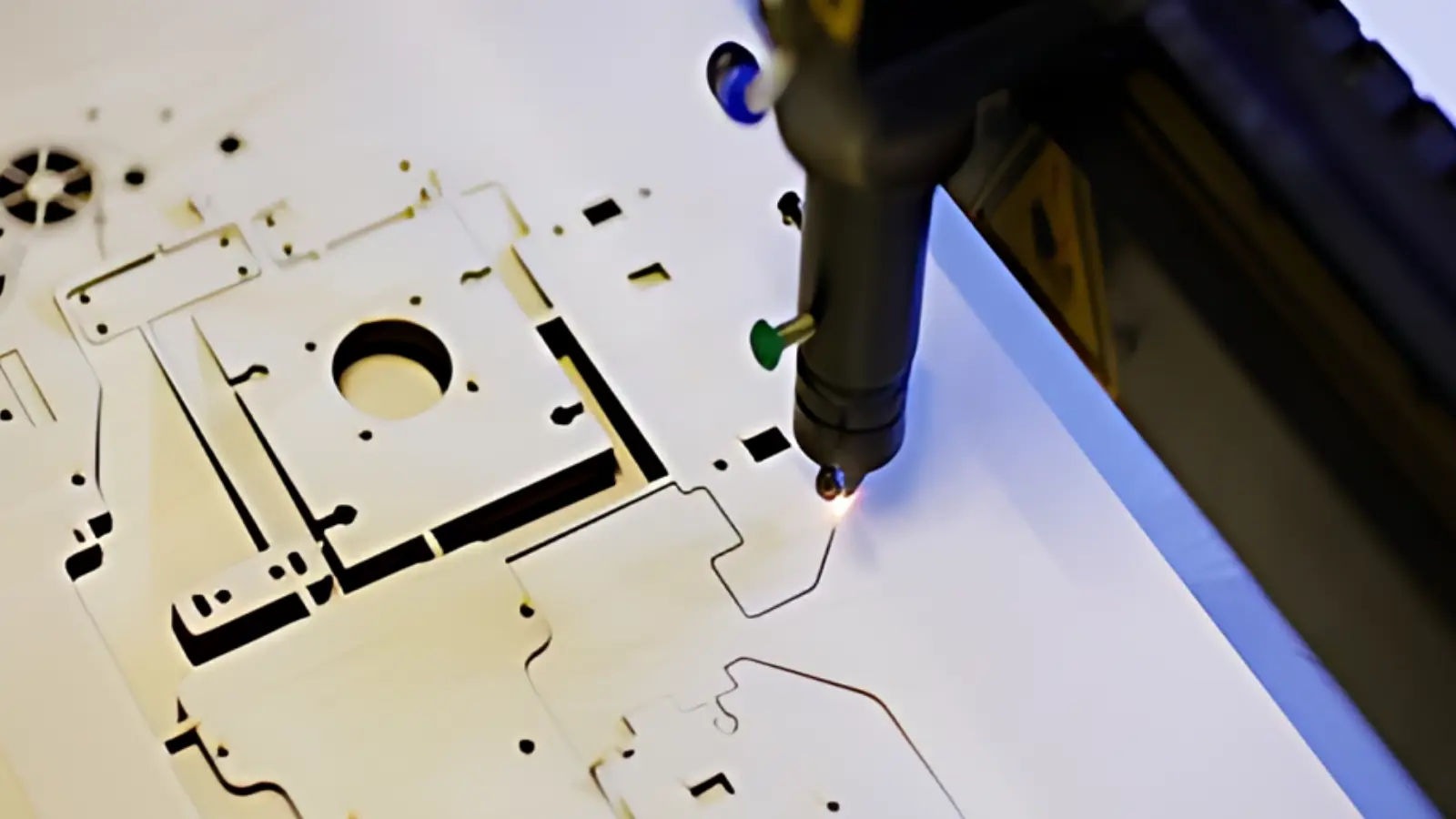
The method you choose is driven by material thickness, alloy, and production volume. For thin gauge under 1.5 mm, spot welding and laser welding typically produce cleaner results with minimal heat distortion. MIG is the workhorse for mid-range carbon steel and higher-volume fabrication.
TIG gives the tightest control on thin aluminum and stainless-steel components. Each process has a practical minimum and maximum thickness range. Running outside that range usually means the weld will lack full penetration or the base metal will warp.
A common mistake is specifying TIG for a 6 mm carbon-steel panel when MIG welding would be faster and more economical. Match the process to the base material first, then optimize for production volume and finish requirements.

Materials and Gauge Considerations
Not all sheet metals weld the same way. Mild and low-carbon steel (A36, S235) are forgiving and accept most arc-welding processes at a wide range of gauges. Aluminum alloys like 5052 and 6061 require TIG or laser with proper gas shielding.
Stainless 304 and 316 need careful heat-input control to avoid sensitization and intergranular corrosion. If your drawing calls for a specific alloy, confirm that the fabricator’s shielding gas, electrode selection, and preheat settings are matched to that alloy before the first weld is struck.
Cost Drivers and Quality Control
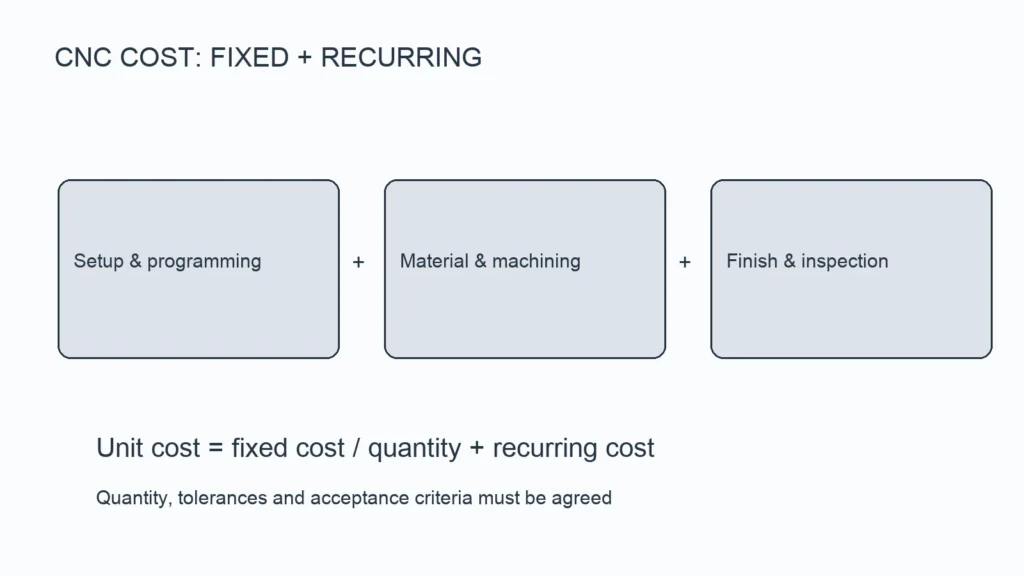
Cost is not just welding labor. Material grade, sheet thickness, number of joints, surface finish, and post-weld operations all stack up quickly. A bracket with five internal fillet welds and a powder-coat finish costs more than a simple two-joint gusset.
Tolerance calls on weld location and penetration depth add inspection and documentation time. YPMFG reviews these variables during the 技術評価 so you know the true landed cost before committing to a production run. Key cost levers include:
Sheet thickness (thicker means more filler and more heat input)
Number and type of joints
Surface finish and post-weld operations
Inspection and documentation requirements
Batch size and setup complexity
Common Defects and How to Prevent Them
Warping is the most frequent complaint on thin-gauge weldments. Proper fixturing and symmetric weld sequencing matter more at this stage than the welder’s technique. Residual stress builds up when welds are applied in one direction without release joints or post-weld stress relief.
Porosity appears when gas shielding is inadequate or the base surface still has oil or paint residue. Incomplete fusion occurs when heat input is too low for the joint geometry. Call out a weld inspection method—visual, dye-penetrant, or ultrasonic—on your drawing to avoid disputes at delivery.
Questions to Answer Before Placing an Order
What thickness range can be reliably welded in our alloy?
Most mild-steel sheet welds well from 0.7 mm to 12 mm. Below 0.7 mm, laser welding or spot welding is more reliable. Above 12 mm, CNC加工 or forging is often more economical. Confirm your supplier’s equipment covers your specific gauge and alloy before releasing the drawing.
Do we need post-weld heat treatment?
It depends on the alloy and loading. Mild steel usually does not require it. Aluminum 6061 and stainless 304 often benefit from stress-relief annealing to reduce distortion. If the part will see cyclic or fatigue loading, verify whether post-weld heat treatment is necessary for service life.
How should we specify weld tolerances on the drawing?
Call out weld type, weld length, and location tolerance separately from general dimensional tolerances. A 4 mm fillet on a 2 mm sheet leaves very little margin. Weld specification callouts that are vague are the top cause of rework and delivery delays. Be explicit about acceptance criteria.
What documentation should we request with the parts?
~を依頼する 材料証明書, weld procedure records (WPS/PQR where applicable), and inspection reports. For safety-critical or aerospace applications, full welder-qualification traceability is standard. YPMFG can prepare these documentation packages to match your incoming-inspection checklist.
Making a Better Decision on Welded Components
A well-designed welded sheet metal component is reliable and often cheaper than a solid-machined alternative. The key is matching process, material, and joint design to your load and functional requirements before the first cut is made.
Send your drawings or specifications to YPMFG for an engineering review. The team will confirm feasibility, suggest process or joint adjustments if needed, and return a detailed quote with lead time so you can plan your build schedule.