 Japanese
  English
  German
  Russian
  Korean
  Spanish
  French
  Italian
  Portuguese
 簡単な答え:
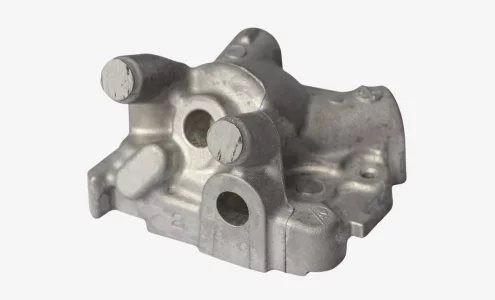
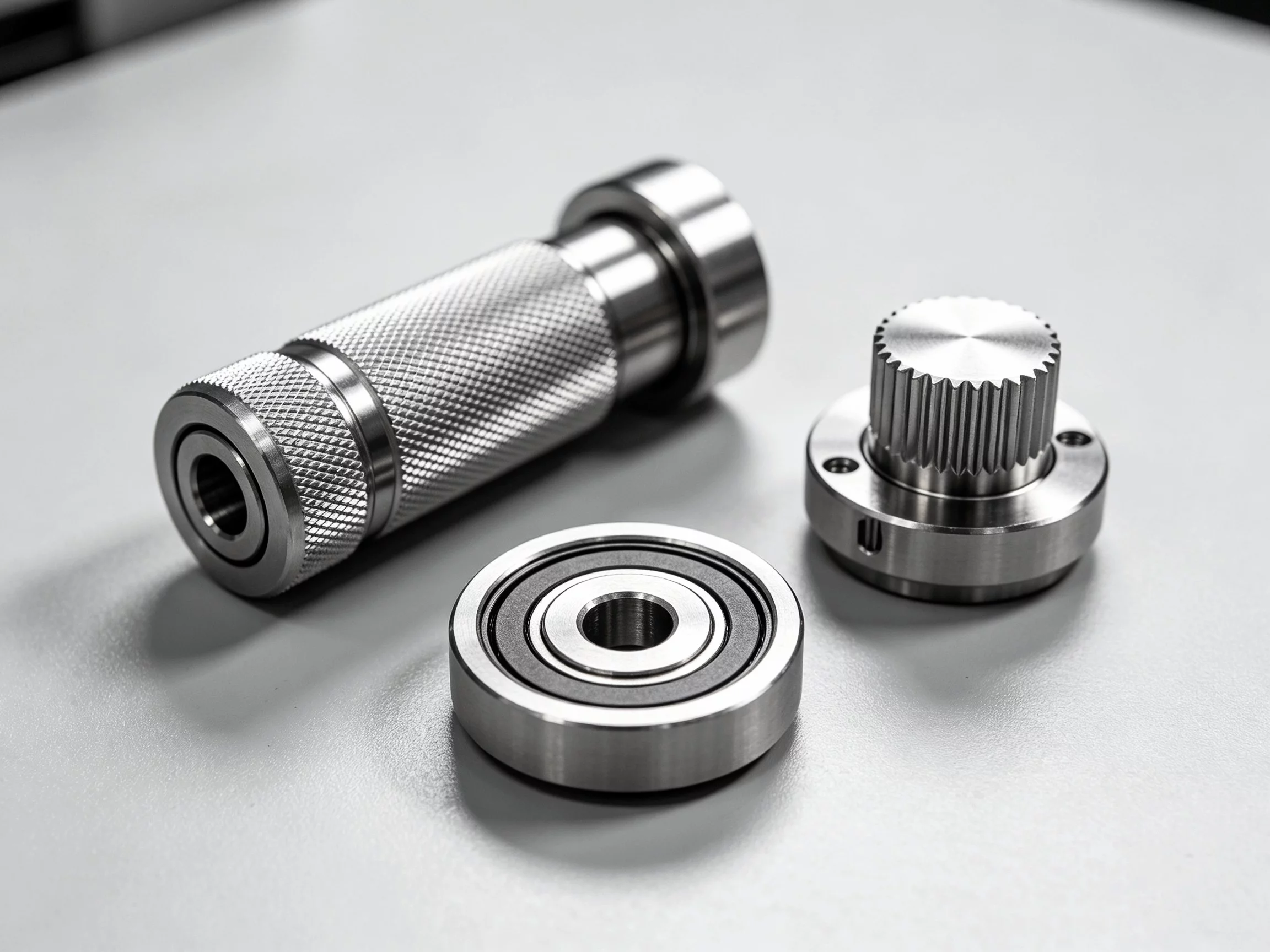
Investment casting steel auto parts are made by pouring molten steel into a precision ceramic shell mold, producing near-net-shape components with complex internal geometries. The process suits high-stress applications such as transmission housings, engine mounts, and suspension brackets where dimensional repeatability and strength matter. Before committing to production, confirm the steel grade, casting tolerances, post-machining operations, and material test documentation. Pairing investment casting ~と CNC加工部品 ensures both the complex base shape and the precision features meet specification.
Many automotive sourcing teams need steel parts strong enough for cyclic loading yet complex enough to cut assembly steps. Investment casting delivers dense shapes that would be costly to forge or machine from solid bar stock. This is especially relevant for programs where part weight reduction and structural integrity must coexist. At YPMFG, we help buyers close the loop between casting design, CNC finishing operations, and final quality verification for steel auto part programs.
What Sets Steel Investment Casting Apart
A single investment-cast steel part can incorporate ribs, bosses, and internal cavities that would otherwise require multiple weldments or machined sub-assemblies. This reduces part count and assembly labor on the production line. The cast blank also supports subsequent machining of bolt holes, seating surfaces, and mating features without secondary weldment or fastener joints.
The ceramic shell captures fine surface detail from the pattern, giving an as-cast finish noticeably smoother than sand casting. That means less material must be removed during secondary machining, lowering cycle time and tool wear.
Common automotive steel grades include AISI 1045, 4140, 4340, and 8640. For most structural brackets and housings, 4140 or 4340 with quench-and-temper treatment offers a practical balance of toughness and wear resistance. Unlike sand casting,the shell process holds dimensional consistency across thousands of cycles, which matters for high-volume automotive programs.
ご注文前に確認すべき主な仕様
Use the table below as a review checklist when evaluating a supplier’s quotation.
A small specification gap in any row can cascade into costly rework or field rejection. For example, calling ±0.3 mm on a 120 mm casting is aggressive and often unnecessary for a structural bracket. Send your drawing package and material requirements to YPMFG for a dimensional and process review before finalizing tooling and shell design.
Common Pitfalls and How to Avoid Them
Undesigned gates and risers. Without a directional-solidification plan, internal porosity and shrinkage cavities appear. Ask the supplier to share a gate-and-riser layout or a solidification simulation before tooling is cut.
No material traceability. Steel grade substitution is a real risk. Require a 材料のトレーサビリティ document, including a mill certificate and lot-level chemical analysis, for every heat—not just the pilot batch.
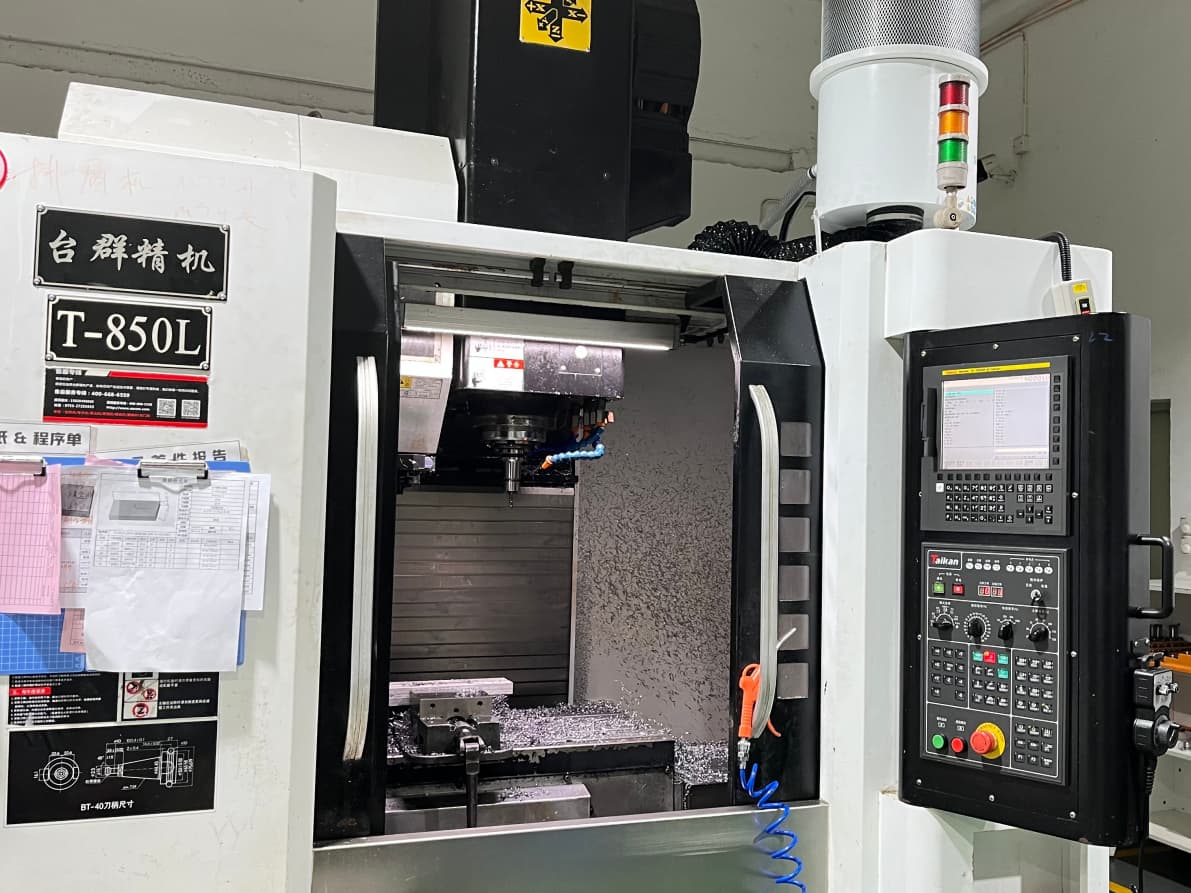
Insufficient machining allowance. If casting tolerance is too tight, CNC加工 becomes the only safety net, driving up cycle time. Verify the remaining stock depth covers tool overhang.
Missing post-cast inspection data. Capture CMM or 3D-scan dimensions before and after heat treatment, because a 0.1–0.3 mm dimensional shift is typical.

Each of these failures is easier to catch at the drawing-review stage than after the first lot ships. A structured pre-production audit saves weeks of disposition work.
購入者からよく寄せられる質問
Can investment-cast steel parts be machined to tight tolerances?
Yes, but the machinable zone is limited by grain structure and post-heat-treatment hardness. For features needing ±0.02 mm or better, plan a dedicated machining pass with verified fixturing and confirm remaining stock covers tool overhang.
What steel grades are most common for load-bearing auto parts?
4140 and 4340 dominate for their strength-to-toughness balance. 8640 appears in higher-stress applications; 1045 suits less critical brackets. The right grade depends on your fatigue-life target and any weld-joint requirements.
How does cost compare to forging the same part?
Investment casting is competitive for parts above 100 g with complex geometry, because it eliminates multi-stage forging and heavy milling. For simple, high-volume shafts, forging still wins. A side-by-side cost analysis using your actual geometry will clarify the crossover point.
Do I need a design-for-casting review?
For walls thinner than 5 mm or deep internal cavities, a DFC review is strongly recommended. It catches solidification defects before tooling is committed and usually lowers the first-article rejection rate.
What lead time should I expect?
Shell-mold production typically runs 8 to 14 weeks from drawing approval to first article, depending on geometry and heat-treatment cycles. Prototype single-pour runs can be faster. Build buffer for material testing against your program schedule.
Need Help Selecting Steel Investment Casting for Your Program?
The right partner should understand your downstream machining requirements, provide full material traceability, and flag design issues before they reach production. Ask for a solidification plan, CMM reports from the pilot lot, and a clear rework protocol.
If you have a steel auto part drawing or BOM under review, send the specifications to YPMFG for an engineering evaluation. We can review tolerances, suggest optimal steel grades, and outline the combined casting-plus-machining path that keeps your program on schedule and within budget.