 Japanese
  English
  German
  Russian
  Korean
  Spanish
  French
  Italian
  Portuguese
 簡単な答え:
CNC copper milling is a subtractive manufacturing process in which computer-controlled milling machines shape copper or copper-alloy workpieces to precise dimensional tolerances. It is widely used for electrical connectors, heat-exchange components, aerospace brackets, and custom hardware. Because copper is softer and more thermally conductive than steel or aluminum, the process requires adjusted tooling, feed rates, and cooling to avoid built-up edge and surface defects.
Many buyers receive copper parts with inconsistent surface finish, dimensional drift, or tool marks that fail incoming inspection. The root cause is usually a mismatch between the chosen copper alloy and the 加工パラメータ applied on the shop floor. YPMFG works with engineers who need copper components where accuracy and repeatability directly affect downstream performance.
What CNC Copper Milling Involves
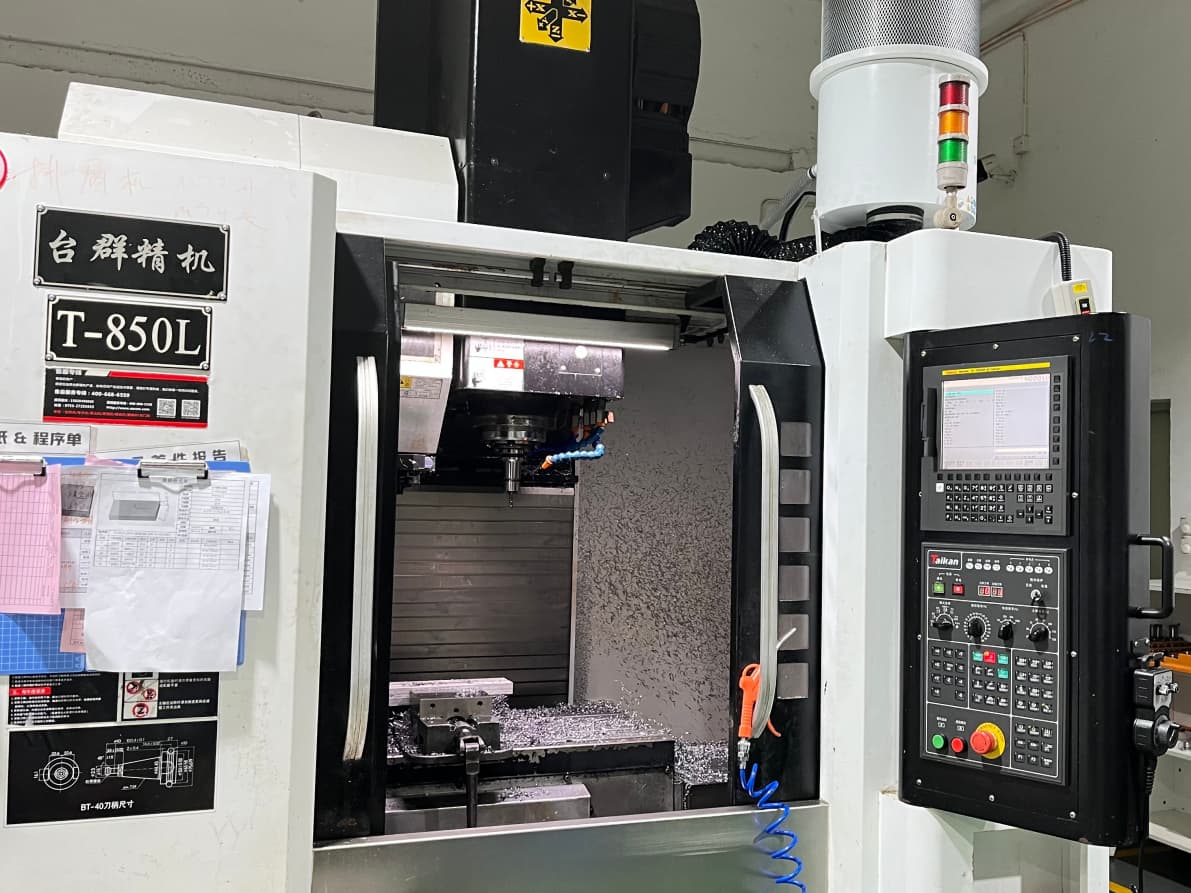
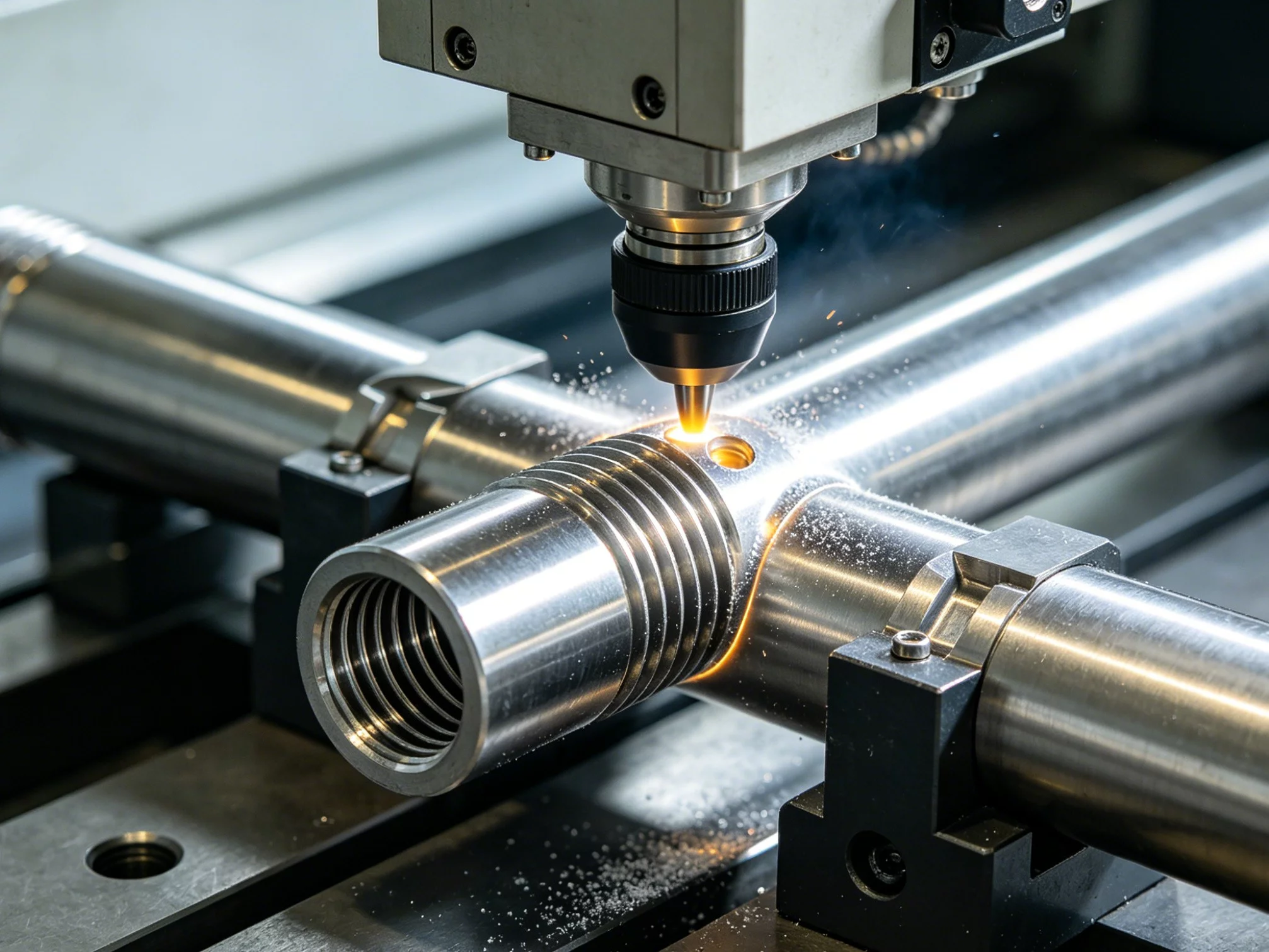
CNC copper milling removes material from a billet, plate, or bar using rotary cutters directed by G-code. Copper deforms rather than chips cleanly, so toolpath strategy and coolant delivery shape both surface quality and dimensional stability.
The process spans three-axis to five-axis operations, including face milling, pocketing, profiling, and drilling. Part geometry and minimum wall thickness determine whether a single fixture setup or multiple stages are required.
Copper Alloys and How They Machine
Not all copper behaves the same under the cutter. C11000 electrolytic tough-pitch copper is soft and work-hardens quickly. C36000 free-machining copper contains trace lead that improves chip breakability. C10100 oxygen-free copper is specified where thermal and electrical conductivity matter most.
Each grade calls for different feed rates, cutting speeds、および coolant strategies. Applying steel-machining parameters to copper typically produces built-up edge, a rougher surface, and faster tool wear.
Key Parameters and Tolerance Ranges
The table below summarizes typical machining windows for common copper grades used in CNC milling.
These values are starting points. Actual parameters shift with cutter material, depth of cut, feature size, and the specific tolerance and surface-finish callouts on your drawing.
Common Challenges and Practical Fixes
Copper’s high thermal conductivity pulls heat out of the cutting zone, softening the tool edge faster than operators expect. Built-up adhesion on the flute then causes surface burring and batch-to-batch dimensional inconsistency.
Practical countermeasures include:
Carbide end mills with polished flutes to reduce adhesion
Low-viscosity, high-lubricity coolant rather than flood water
Slower feeds and shallow passes for walls under 2 mm
Post-machining deburring or light peening to remove residual burrs
A skilled machining partner can review your part drawings and recommend a tailored tooling and coolant strategy before the first production run.
How to Evaluate a CNC Copper Machining Supplier
When you request a quote, include the material grade, a drawing with GD&T, surface-finish requirements, and expected quantity. Ask whether the shop provides first-article inspection reports, CMM data sheets, and material mill certificates for every lot.
A supplier that documents 材料のトレーサビリティ from ingot to finished part reduces rework and scrap risk on your side. YPMFG provides engineering review, カスタム加工ソリューション, and post-production support for copper components across aerospace, electronics, and energy applications.
Common Questions About CNC Copper Milling
Can CNC milling hit very tight tolerances on copper?
Yes. With matched tooling and tuned parameters, CNC copper milling routinely reaches ±0.005 mm on C36000 free-machining grades. Tolerances on C10100 may widen to ±0.01 mm because of its lower hardness. Always verify against your specific drawing.
What is the difference between CNC copper milling and turning?
Milling uses multi-axis rotary cutters to profile complex, non-rotationally symmetric geometry. Turning is limited to parts that spin on a centerline. For brackets, housings, and bus bars, milling operations are the standard path.
Does copper need special finishing after milling?
Often. Light deburring, chemical passivation, or hand polishing removes residual machining marks. The required finish depends on whether the part serves an electrical, thermal, or structural role.
How does copper softness affect part stability in the fixture?
Soft copper deflects under clamping pressure, especially in thin-walled or tall features. Low-profile vises, vacuum plates, or conforming jaws minimize springback and keep dimensions within tolerance.
What files should I send for a CNC copper milling quote?
Provide a STEP or IGES 3D model plus 2D drawings with GD&T. Include material specification, quantity, finish callouts, and any post-machining requirements such as plating or anodizing.
Getting the Right Fit for Your Copper Part
Choosing a reliable CNC copper milling partner comes down to matching alloy grade, tolerance needs, and production volume to a shop that documents quality at every step. If you have drawings or a part concept, send your specifications to YPMFG for an engineering assessment,parameter recommendation, and a production-ready quote.