Korean
 English
 German
 Russian
 Japanese
 Spanish
 French
 Italian
 Portuguese

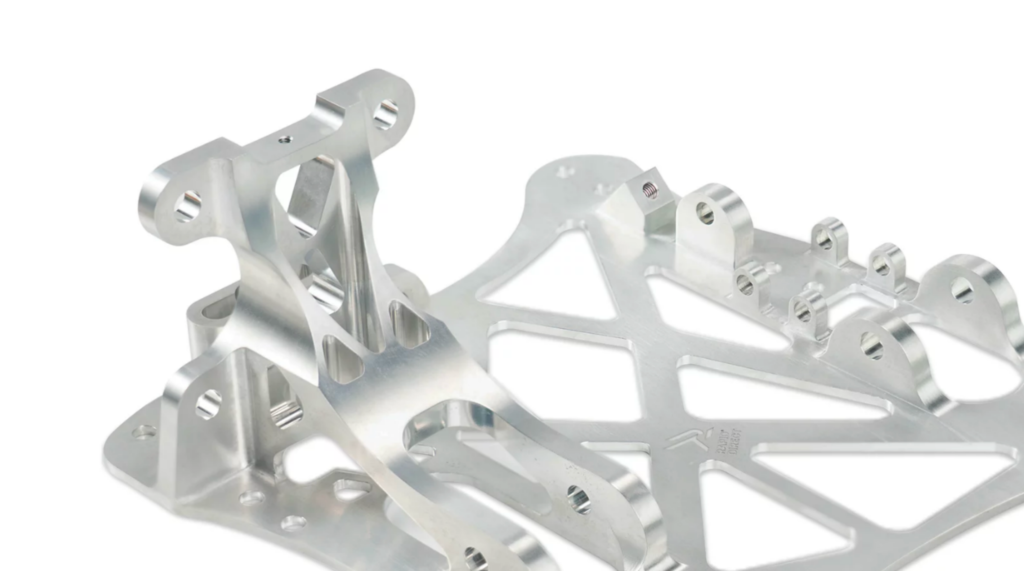
Two metal parts can be almost the same size and still have very different manufacturing costs. One might take twenty minutes to machine, while the other needs several hours at first glance, which doesn’t seem to make much sense. Much of the information found in the drawing can help you understand how much more expensive one part may be than another. If a hole is difficult to reach, it is a very tight fit or it is too complex, then there may be more work for the machinist. The following things can be left out when you’re focused on the final product and its functionality. It is best to understand what makes a job difficult before ordering CNC 가공 services. It may be wise to make some minor changes in the beginning to save time and money in the future.
A Simple Bracket Can Become a Complicated Job
Consider an aluminium bracket which holds a sensor in place. Has four mounting holes, a flat base and a raised section. So no particular reason to be called out on. Now suppose that in the drawing, very tight tolerances were specified for all of the measurements, including those for surfaces that have nothing to do with the fit of the sensor. The manufacturer is still required to work to those requirements. This may involve a slower cutting speed, additional measuring and longer time for checking the finished part.
Some dimensions are indeed very crucial. The hole that houses a bearing might have to be much more precise than the outside edge of a mounting bracket. It is the key to knowing what measurements are important. Once engineers are able to make all those clear, the manufacturer can focus on precision where it’s needed.
The Material Changes More Than the Price of the Metal
Let’s say you’re designing a small housing for an electronic device. Aluminum might be your first choice. It’s lightweight, widely available and generally straightforward to machine. But what if the housing will be exposed to harsh cleaning chemicals? Or what if it needs to withstand high temperatures?
Now material choice is a larger decision. In some locations, stainless could be appropriate but may be more time-consuming to machine some of the grades. Engineering plastics can be substituted for parts that need electrical insulation or need to be light. There is no single solution for all projects. Before making a grade, it would be good to explain the final use of the component. During that discussion, you may discover an alternative that you hadn’t considered – one that’s agreeable.
Those Small Corners Aren’t Always Easy to Make
Here’s something that often surprises people unfamiliar with CNC 밀링. A standard milling cutter is round. The inside corners of a piece of metal that is cut with a pocket will have a radius by themselves. What happens if the drawing’s internal corners are perfectly square? The shop may require extra operations or a different manufacturing technique as per the design. Not always a bad thing, but it can make a project more costly. If corners are not to be cut square, a suitable radius will make the job much easier. The same principle applies to having deep, narrow pockets. The cutting tool must be able to reach the bottom with minimal vibration or bending. There are features that can be difficult to machine that can be made easier with a little clearance.
When the Part Has Features on Every Side
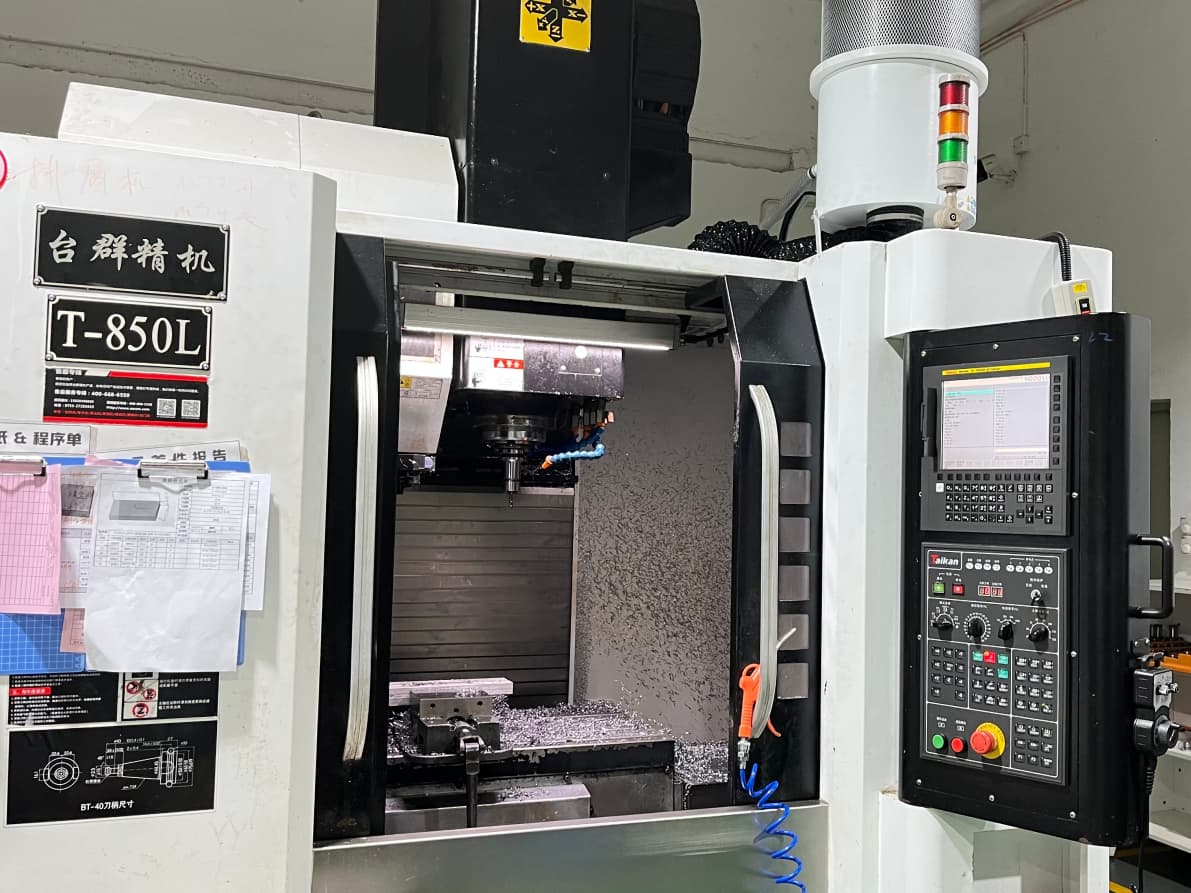
Picture a component with holes on its front, back and sides. On a conventional three-axis machine, producing those features may involve stopping the process, repositioning the part and securing it again. Each setup requires care. The workpiece must be held correctly so the different features line up as intended. For certain complex shapes, 5축 CNC 가공 can reduce the number of different setups. The machine can approach the workpiece from multiple directions, making otherwise awkward features more accessible.
That doesn’t mean five-axis equipment is automatically the better choice. For a simple flat plate with drilled holes, conventional machining may be completely fine and more economical. The right machine depends on what the part actually needs.
Don’t Forget What Happens After Cutting
Not all the time, it’s not just about machining. In the case of a visible aluminum section, it may require anodizing. The metal may need a different surface texture or be deburred or cleaned for a functional part. These finishing needs should be discussed prior to production. If, for instance, a coating is applied to a finished piece, it may alter its size. In cases where two parts are required to be very close together, that extra thickness could be an issue.
It’s also worth asking whether every surface needs the same treatment. A hidden mounting face probably doesn’t need a decorative finish unless there’s a specific functional reason for it.
Better Drawings Make Better Conversations
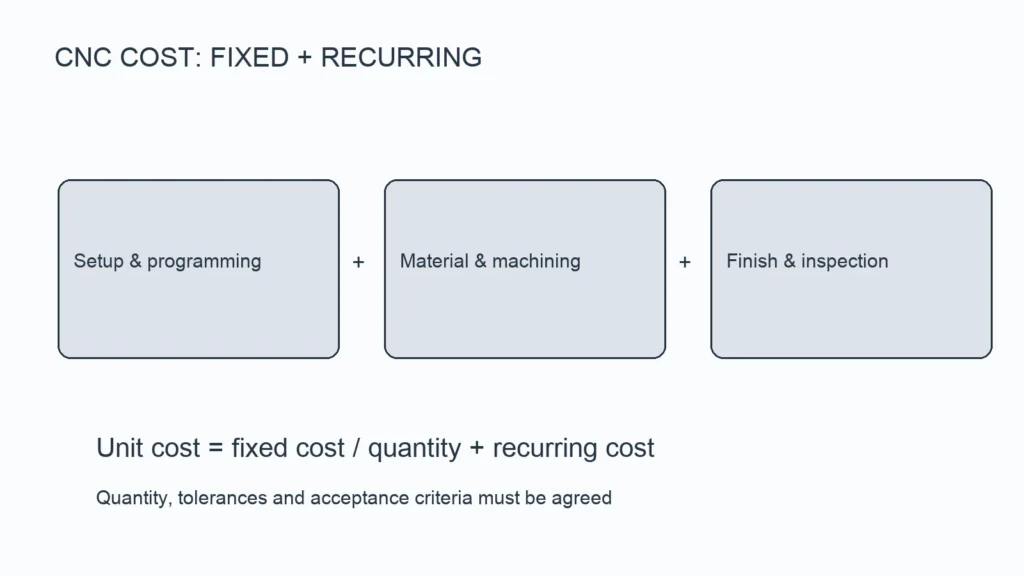
Manufacturers receive all kinds of design files. Some include everything needed to prepare a quote. Other people neglect to answer key questions. The material, tolerances and finishing requirements should be clearly communicated in a useful drawing. Also, it is useful to note if you require one prototype or a quantity for production. YP-MFG allows customers to speak about their requirements in the project, as well as the manufacturing methods available, prior to proceeding with the work.
결론
This is not to say that a complicated-looking design always requires an expensive machining job, though. But it is not that an expensive machining job is a complicated-looking design. The actual problems can be in the measurements, access to tools or finishing needs. When approving a drawing, think about the way the part will be produced. Small changes that don’t affect performance may make production considerably easier.
For businesses exploring custom manufacturing options, ypmfg.com provides information about CNC machining and related production services.