 French
  English
  German
  Russian
  Japanese
  Korean
  Spanish
  Italian
  Portuguese
 Réponse rapide :
CNC turning service for aluminum parts is a subtractive manufacturing process where a CNC lathe rotates the workpiece while cutting tools remove material to create cylindrical or axially symmetric components. It is one of the most widely used processes for producing precision aluminum CNC pièces usinées in medium to high volumes. The main advantages are tight dimensional tolerances, excellent surface finish, fast cycle times, and broad material selection across aluminum alloy grades such as 6061 and 7075.
If you are evaluating a CNC turning supplier, the critical factors to assess include machine capability, material certifications, tolerance documentation, first article inspection reports, and experience in your specific industry application.
Aluminum turning sits at the core of modern precision manufacturing. Parts produced through this process appear in everything from aerospace actuators and medical device housings to automotive transmission components and industrial fluid systems. For procurement teams and engineering buyers, understanding how the process works and what drives part quality can make a significant difference in sourcing outcomes.
At YPMFG, we work with buyers across multiple industries who need reliable aluminum turning services for prototypes, pilot runs, and production batches. Below is a practical overview of what you should know before placing an order.
How CNC Aluminum Turning Works
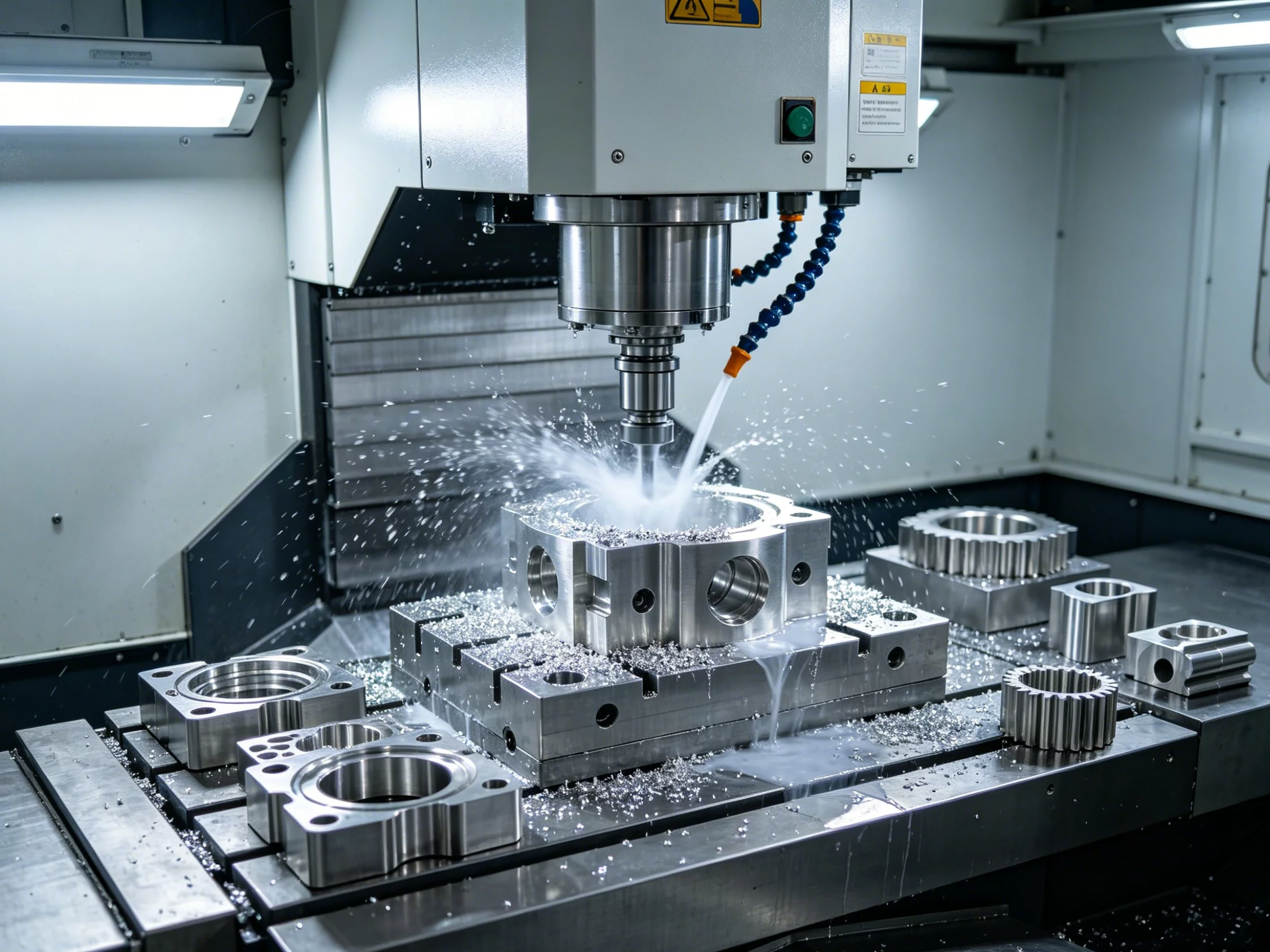
CNC turning uses a single-point cutting tool mounted on a tool post. The aluminum blank is clamped in a chuck or collet and rotated at controlled spindle speeds. The cutting tool moves along one or more axes to remove material until the part reaches its target geometry.
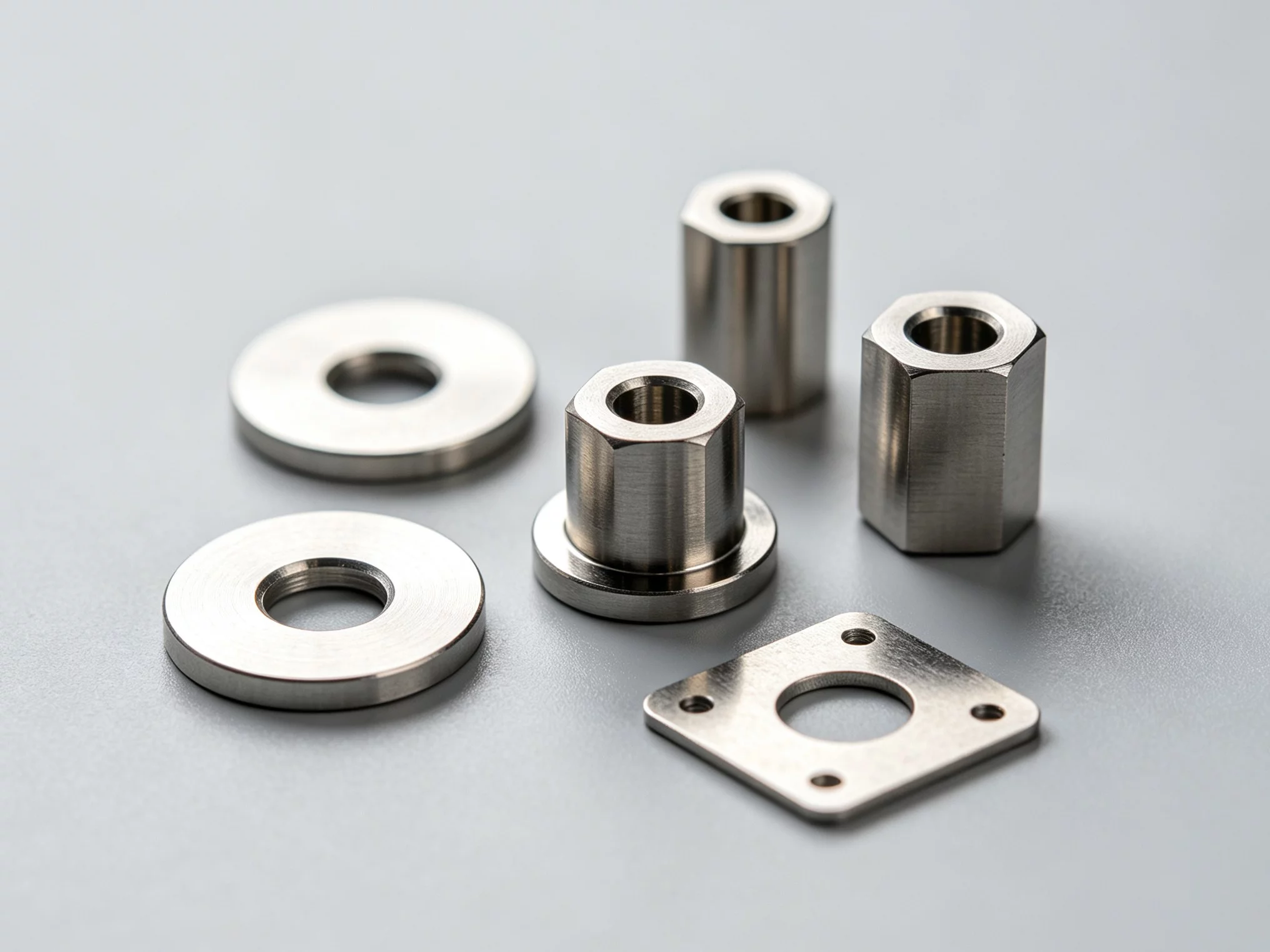
The process is best suited for rotational and轴对称 parts — components such as shafts, pins, bushings, sleeves, mandrels, and threaded rods. When a part has complex external profiles, internal bores, tapers, or grooves, CNC turning remains efficient because the cutting tool can access the workpiece from multiple angles in a single setup.
Modern CNC lathes use servo-driven axes and tool magazines with up to twelve or more stations. This allows the machine to perform facing, roughing, finishing, grooving, threading, drilling, and boring operations without manual tool changes. Some advanced centers also include live tooling, which lets the spindle rotate the cutting tool itself, enabling milling and drilling operations on the part face — effectively combining turning and milling in one setup.
For complex aluminum turning parts, multi-axis lathes such as 5-axis or mill-turn centers can produce fully finished components in a single clamping. This reduces handling errors, improves geometric accuracy, and often shortens total lead time compared to split operations between a lathe and a milling machine.
Aluminum Materials Used in Turning
Not all aluminum alloys behave the same during machining. The alloy you select directly affects chip formation, surface finish, tool wear rate, and dimensional stability after the part leaves the machine.
The table below shows the most commonly specified alloys for CNC turning of aluminum parts and their typical characteristics.
For most industrial aluminum CNC turning applications, 6061-T6 is the default choice. It machines cleanly, accepts anodizing and other surface treatments well, and offers a balanced combination of strength and formability. If your design requires higher yield strength, 7075-T6 is a reasonable alternative, though it generates more cutting force and tool wear.
When selecting an alloy with your supplier, always confirm whether the material comes with a mill test report (MTR) or certificate of conformance. These documents verify chemical composition and mechanical properties, which is essential for regulated industries such as aerospace, medical, and automotive.

Tolerances and Surface Finish Expectations
Precision expectations must be defined early in the sourcing process. CNC turning tolerances typically range from ±0.005 mm to ±0.025 mm for standard production runs, depending on part size, material, and machine class. For critical diameters or mating surfaces, tighter tolerances down to ±0.0025 mm may be achievable with specialized equipment and controlled environmental conditions.
Surface finish is measured in microinches or micrometers. A standard CNC-turned aluminum part typically achieves 1.6 µm to 3.2 µm Ra. If your design calls for smoother finishes such as 0.8 µm Ra or better, additional processes like honing, polishing, or grinding may be required after the turning operation.
Geometric tolerances — including concentricity, true position, and runout — are often more limiting than simple dimensional tolerances when assembling rotating components. When you share your engineering drawings, make sure GD&T callouts are complete and unambiguous. Vague tolerance requirements are one of the most common reasons for miscommunication between buyer and machine shop.
Factors That Influence Cost and Lead Time
Several variables determine the price and delivery timeline for CNC turning service aluminum parts. Understanding these factors helps you request accurate quotes and avoid surprises during production.
Material cost represents a relatively small portion of the total price for most aluminum turning jobs. The larger cost drivers are usually machine time, setup complexity, tooling requirements, and inspection workload.
Part geometry complexity is the single biggest factor. A simple cylindrical pin turns quickly on a standard lathe. A part with multiple diameters, cross holes, keyways, threads, and fine surface finish requirements demands more setups, more tools, slower feed rates,and additional inspection steps — all of which increase cost and lead time.
Batch quantity also plays a role. Single prototypes and low-volume runs carry higher per-unit costs due to setup overhead. As quantity increases, the fixed setup cost is spread across more parts, and cycle time optimization becomes more impactful. However, even at higher volumes, certain design features such as deep thin walls or delicate threads may limit how much the per-part price can decrease.
Lead time depends on shop capacity, material availability, and the scope of quality documentation. Standard aluminum CNC turned parts often ship within one to three weeks for production quantities. Expedited service is frequently available but carries a premium.
Common Defects and How to Avoid Them
Quality issues in aluminum turning usually fall into predictable categories. Knowing these in advance helps you specify the right controls and ask the right questions during supplier evaluation.
Burr formation occurs when the cutting tool exits the material. Proper tool geometry, correct spindle speed, and careful edge-breaking or deburring after machining prevent this issue.
Chatter marks appear as rhythmic surface waves caused by tool deflection or insufficient workholding rigidity. Stiffer setups, sharp tools, and optimized cutting parameters eliminate most chatter problems.
Dimensional drift happens when part size shifts during a production run due to thermal expansion, tool wear, or machine calibration loss. Regular in-process measurement and tool offset compensation address this risk.
Surface defects such as tearing or galling are more common with softer alloys like 6063 or when using dull cutting inserts. Fresh tooling and appropriate coolant or air blast selection resolve most cases.

Thread rejection is a frequent problem when threads do not meet specification. Using proper thread cutting inserts, correct pitch diameter verification, and go/no-go gauge inspection ensures reliable results.
When reviewing incoming parts, first article inspection should verify every critical dimension, material certification, and surface finish requirement before full production begins.
How to Choose the Right Turning Supplier
Selecting a partner for CNC aluminum turning requires a structured evaluation. The following criteria will help you compare potential suppliers objectively.
Review the supplier’s machine inventory first. A shop with only manual lathes cannot deliver consistent precision. Look for CNC lathes with recent maintenance records, proper spindle runout specifications, and tool management systems. Multi-axis mill-turn centers add flexibility for complex parts but require operators with advanced programming skills.
Ask about quality management practices. ISO 9001 certification is a baseline expectation for serious manufacturers. Beyond that, inquire about SPC data collection, calibration schedules, traceability procedures, and how the shop handles non-conforming material. A supplier that proactively shares quality data is easier to audit and collaborate with.
Material traceability is non-negotiable for regulated industries. Confirm that the supplier can provide full material traceability from raw billet to finished part, including heat lot numbers and test reports.
Communication speed and engineering support matter more than most buyers initially realize. A responsive supplier will review your drawings, flag potential manufacturing issues early, suggest design improvements, and provide clear documentation. Slow or vague communication during the quoting phase usually signals deeper problems later in the project.
YPMFG supports buyers through every stage — from initial drawing review and process recommendation to sample production and volume manufacturing. We provide engineering feedback on manufacturability, material selection guidance, and full documentation packages including inspection reports and material certificates upon request.
Cost vs Quality Trade-offs in Aluminum Turning
Lower quoted prices are tempting, but they often reflect compromises in process control, inspection rigor, or material sourcing. When evaluating quotes for aluminum CNC turning parts, look beyond the unit price.
A quote that includes first article inspection, material certification, process flow documentation, and defined quality checkpoints is typically more transparent and reliable than a low bid with minimal documentation. Hidden costs appear when rejected parts require rework, when missing certifications delay your own compliance process, or when inconsistent quality forces additional incoming inspection on your end.
Consider the total cost of ownership, not just the purchase price. A part that meets specification on the first delivery reduces your assembly line downtime, eliminates scrap, and prevents field failures. The savings from choosing a well-controlled supplier often far exceed any initial price difference.
Practical Questions Buyers Often Ask
What aluminum alloy should I specify for my turned part?
6061-T6 is the safest starting point for most applications. It machines well, accepts surface treatments, and provides adequate strength for general industrial use. Choose 7075-T6 only if your design requires significantly higher strength and you accept the associated machining challenges.
Can you machine tight tolerances on long slender shafts?
Long, thin aluminum shafts are prone to deflection and vibration during turning. Achieving tight tolerances on such parts requires proper workholding strategies such as steady rests or follow rests, optimized cutting parameters, and sometimes a two-stage machining approach. Share your length-to-diameter ratio with your supplier early.
What documentation should I expect with my order?
Standard documentation includes a material certificate or mill test report, a first article inspection report with measured data against your drawing, and a process flow sheet for production orders. Additional certificates such as RoHS, REACH, or specific industry compliance documents may be available depending on your requirements.
How do I prepare my CAD model and drawing for quoting?
Provide a clear 2D drawing with complete dimensions, tolerances, surface finish callouts, and GD&T where applicable. Include a 3D CAD file in a common format such as STEP or IGES. Mark critical features that require special attention so the manufacturer can prioritize them in the process plan.
What is a realistic lead time for a production batch?
Lead time depends on quantity, part complexity, material availability, and current shop capacity. Standard aluminum CNC turned parts in production quantities typically ship within one to three weeks. Rush orders are possible but will incur expedited pricing.
Is secondary operations included in turning service pricing?
Most turning quotes include basic secondary operations such as deburring and cleaning. Thread rolling, anodizing, heat treatment, and special surface finishes are usually quoted separately or require a follow-up review. Clarify scope before confirming the order.
Do you offer sample or prototype turning before full production?
Yes. Prototyping allows you to validate fit, function, and surface quality before committing to volume production. Sample parts are typically produced on the same equipment and with the same quality controls as production runs, ensuring consistent results across both phases.
Prendre une meilleure décision à long terme
Choisir le bon CNC turning service for aluminum parts comes down to matching your technical requirements with a manufacturer that has the right equipment, processes, and quality discipline. The suppliers who deliver consistently are the ones that invest in modern machines, trained operators, documented procedures, and clear communication.
When you have drawings ready or need help evaluating whether your design is suitable for turning, send your specifications to YPMFG. Our engineering team will review your requirements, recommend the most efficient process route, and provide a detailed quotation with lead time and documentation scope included.