Italian
 English
 German
 Russian
 Japanese
 Korean
 Spanish
 French
 Portuguese

Parti lavorate con macchine CNC are precision components produced by computer-controlled cutting, turning, and grinding. They serve aerospace,medical, automotive, and industrial automation applications where tight tolleranza di lavorazione and repeatable geometry are non-negotiable. Before you place an order, three decisions carry the most weight: material grade, toleranced features, and surface finish. Get those right and you avoid most rework, rejection, and lifecycle cost surprises.
Most procurement teams treat a machined-parts request as a simple quote-and-ship task. In practice, the part drawing, material lot, and post-machining treatment together determine whether the component fits, performs, and survives its full service life. YPMFG works with buyers to close that gap before production starts.
What Are CNC Machined Parts and How They Are Made
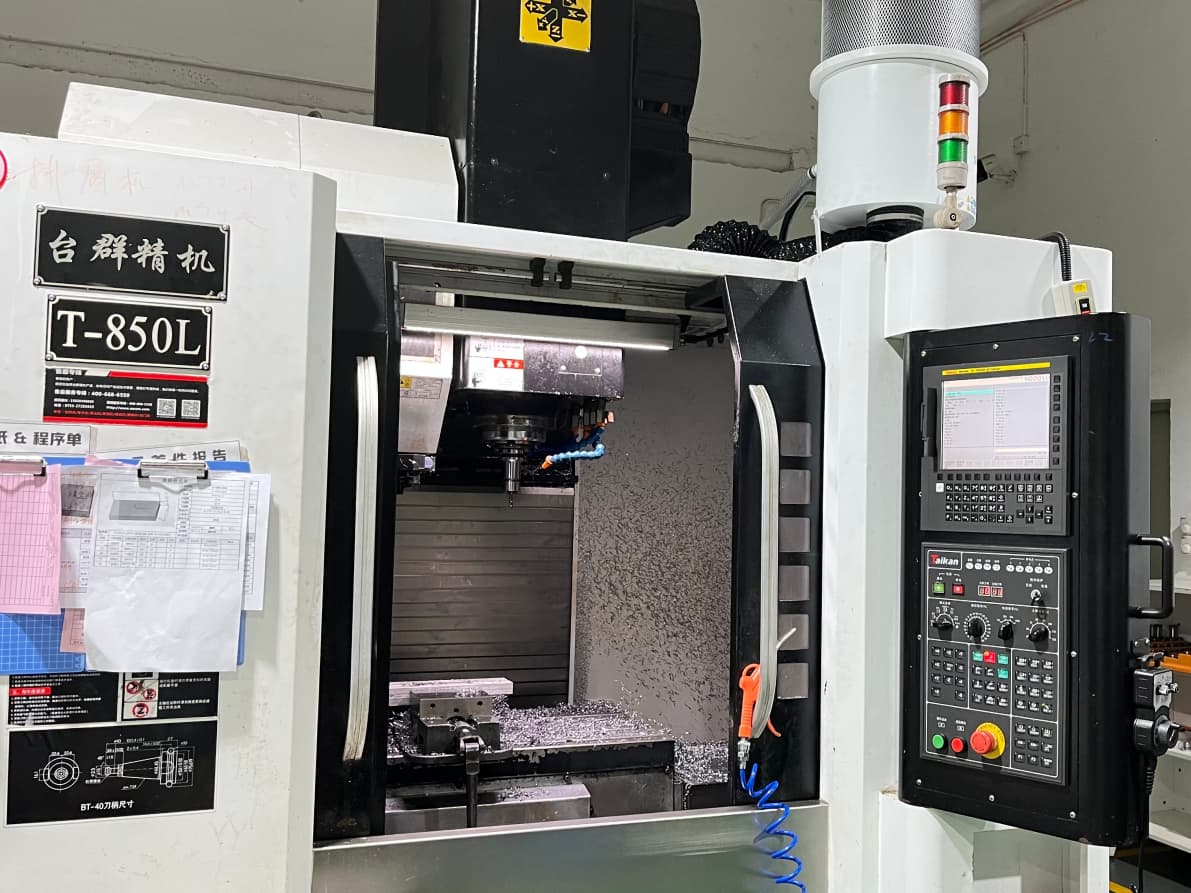
CNC machined parts are manufactured by removing material from a solid billet or bar using programmable tool paths. The two dominant process families are Tornitura CNC (rotational work for shafts, bushings, and fittings) and Fresatura CNC (multi-axis work for complex geometries, brackets, and housings). A single part may combine both: turn the rough blank, then mill the faces and pockets.
The process chain typically runs: raw material, roughing, semi-finishing, finishing, heat treatment or anodizing, inspection, packaging. Each step adds cost but also defines final dimensional stability and surface integrity.
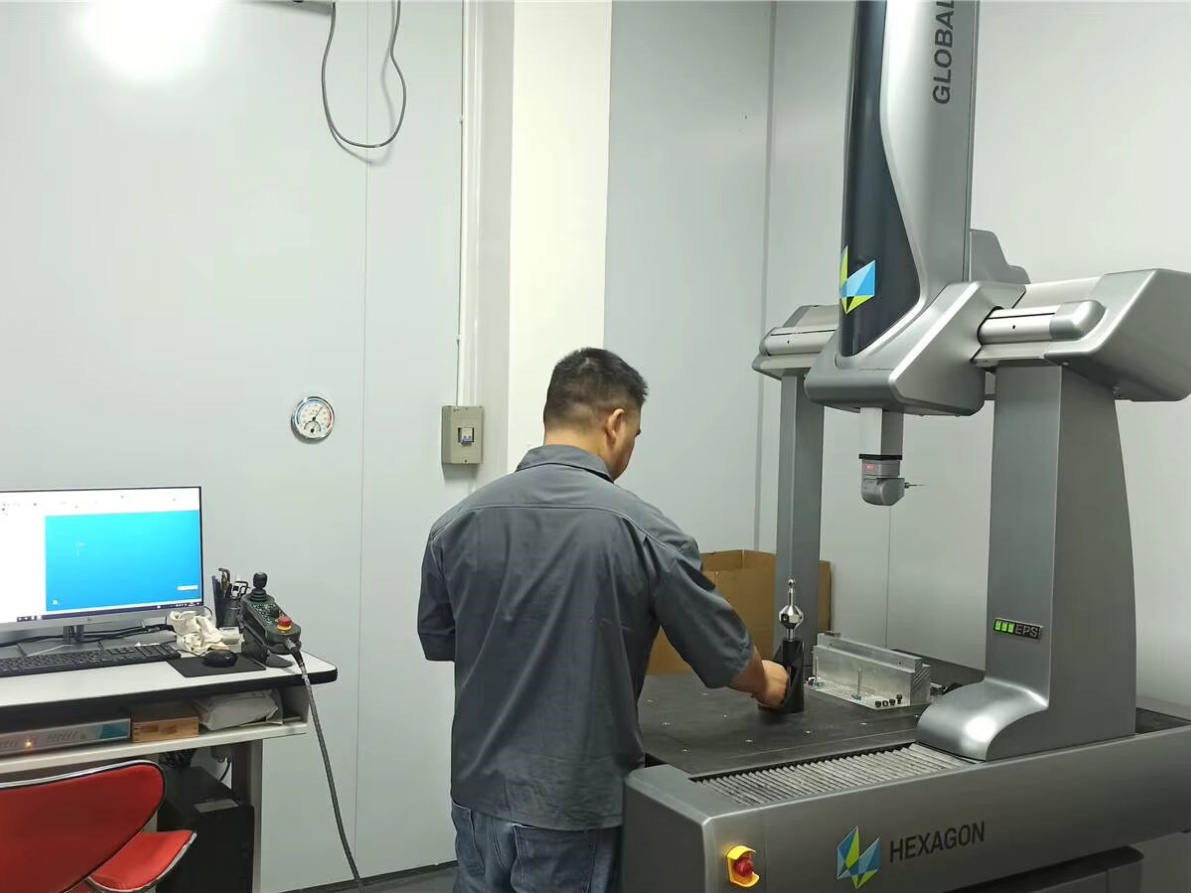
After the finishing pass, parts move to deburring, cleaning, and dimensional inspection via CMM, optical, or manual methods. The depth of inspection—first-article, in-process, or 100 %—is a cost lever you control.
Factors That Drive Cost and Quality
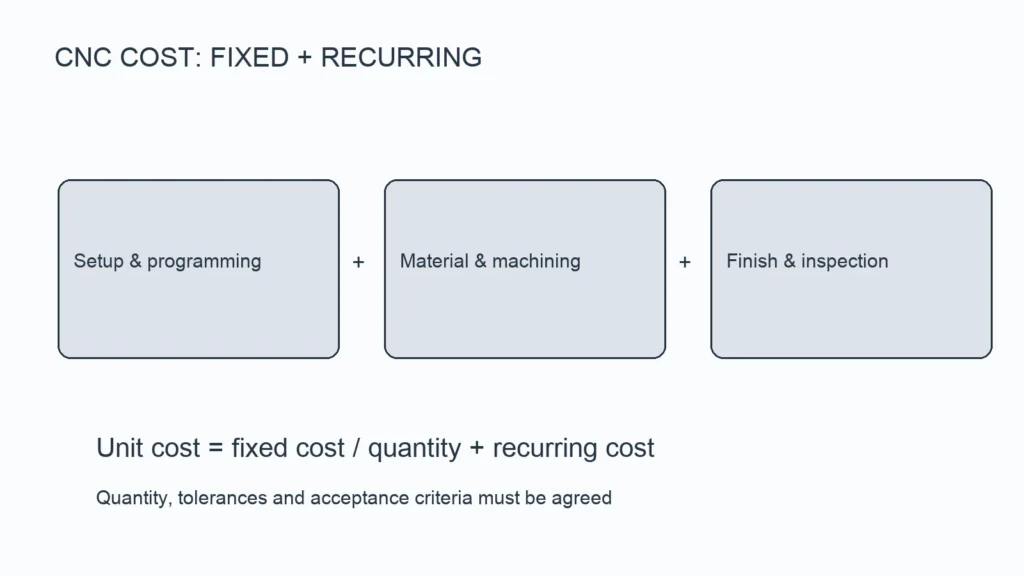
The price of a custom CNC component is not set by one variable. It shifts with material, feature complexity, batch size, and the inspection depth you require. Use the table below as a quick reference when reviewing a quote.
If your drawing calls for a tight bore and a fine finish on the same face, expect the quote to reflect both the cycle-time penalty and the inspection burden. YPMFG’s engineering team reviews these interactions during the RFQ stage so the cost is transparent before you commit.
Choosing the Right Material
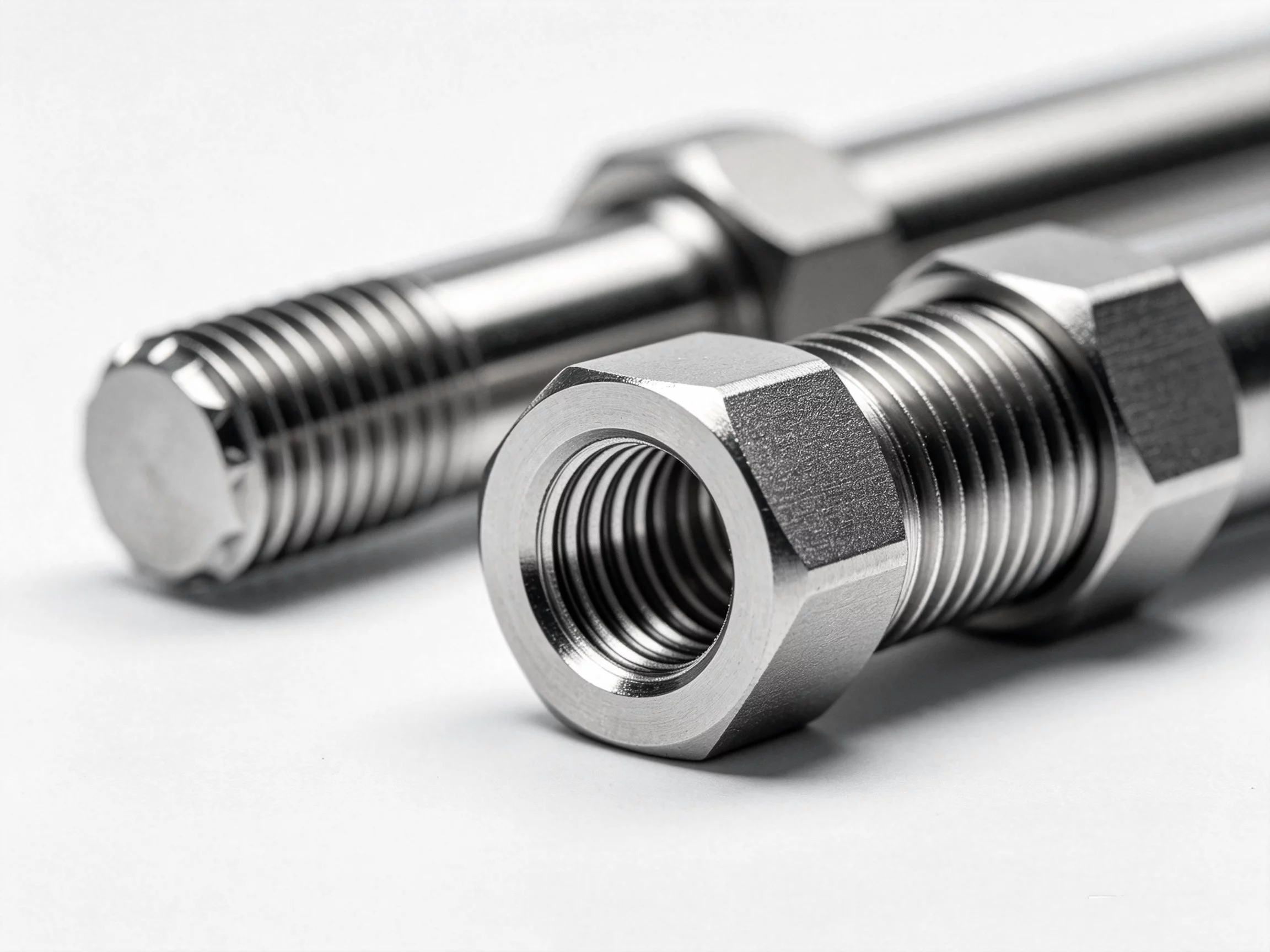
Material selection should follow the functional requirement first: load, temperature, corrosion exposure, and thermal or electrical conductivity. A 304 stainless fastener may suit a general-purpose bracket, while a heat-treated alloy steel shaft demands different heat-treatment and hardness verification. Do not default to “the strongest material available.” Matching the grade to the duty cycle keeps BOM cost and weight in check.
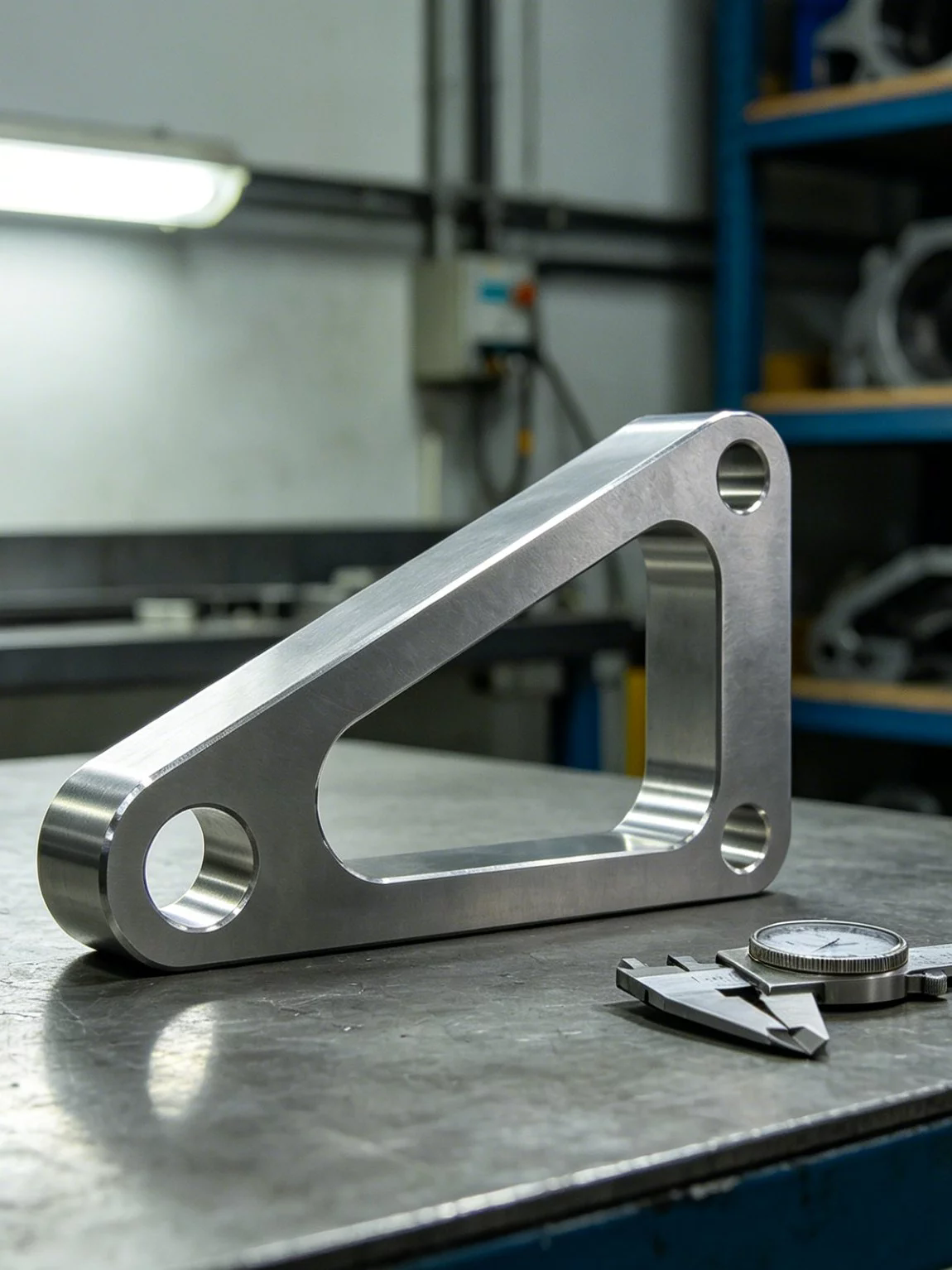
For aluminum-bodied parts, confirm whether alluminio anodizzato treatment, chrome plating, or a bare-machined finish meets the service environment. The coating choice affects corrosion resistance and the minimum wall thickness the CNC program must leave.
Common Questions About CNC Machined Parts
Do I need to specify the material grade or just the alloy family?
Always specify the grade (e.g., AISI 4140, 6061-T6). “Alloy steel” or “6061” without a condition or lot reference leaves room for substitution that may shift hardness, machinability, or post-heat-treatment dimensional stability.
How tight can CNC tolerances realistically go, and does it affect lead time?
Standard CNC milling holds ±0.01 mm comfortably. Moving to ±0.005 mm or tighter increases in-process probing and re-cut passes. In many cases, lead time extends by one to three days per affected feature. Apply tighter tolerance only where function demands it.
What documentation should a supplier provide with a CNC batch?
At minimum: material certification (mill test report), dimensional inspection report against the drawing, and surface-finish or coating lot traceability. For regulated industries, add process-control charts and a certificate of conformance. YPMFG can prepare these packages before shipment on request.
Is small-batch CNC machining cost-effective compared to casting or injection molding?
For runs under roughly 200–500 pieces, a Servizio di lavorazione CNC route is often the fastest and most flexible option. Once volumes exceed 1 000+ and the geometry allows, dedicated fixtures or molded tooling may reduce per-unit cost. The break-even point depends on part complexity and tooling amortization.
Prendere la giusta decisione in materia di approvvigionamento
The single most effective step before releasing a purchase order is a DFA (Design for Assembly) review of the part drawing. Catch a missing datum, an un-machinable undercut, or a tolerance stack-up issue now, and you save weeks of rework later. Send your current drawing or 3D model to YPMFG for an engineering review. The team will flag manufacturability risks, suggest tolerance rationalization, and return a revised BOM with a transparent per-unit quote.