Japanese
 English
 German
 Russian
 Korean
 Spanish
 French
 Italian
 Portuguese


Rapid tooling for medical devices means producing a functional mold or CNC fixture in 15 days or less, using 6061 aluminum or soft steel instead of hardened P20. The tool must support ISO 13485 traceability and allow biocompatibility testing on 316L or ABS parts before you commit to a production tool.
Most medical device teams hit the same bottleneck: design iteration is fast, but tooling lead times are not. You need functional prototypes that pass sterility and bench-testing, not visual mocks. YPMFG supports buyers who need CNC-machined rapid tooling aligned with ISO 13485 and FDA 21 CFR Part 820 documentation, so validation data is clean from the first shot.
主なポイント
- Tool-life threshold: 6061 aluminum holds 1,000 to 5,000 shots; switch to soft steel above 5,000 to avoid mid-run cavity wear.
- Tolerance baseline: ISO 2768-m covers external features; specify ASME Y14.5 GD&T for critical internal fits and lumen geometry.
- Compliance file: every rapid tool batch ships with material certs, process records, and a traceability log per ISO 13485.
- Cycle comparison: 3-day setup plus 7-day machining delivers a functional mold in 10 days, versus 20 to 25 days for hardened steel.
How Rapid Tooling Compares to Production Molds in Medical Programs
The table shows where each blank makes sense. Under 5,000 units with a design that may still change, aluminum saves 5 to 7 days of machining. Once geometry is frozen and volume climbs, soft steel amortizes better per unit. The physical limit is material fatigue: no rapid blank survives a 100,000-shot run, so plan your production tool early.
What Counts as Rapid Tooling in a Medical Device Timeline?
Rapid tooling in a medical program covers any mold or fixture built in under 15 days to support design verification, bench testing, or pre-clinical studies. It is a development asset, not a production tool. The moment your design freezes and your 510(k) or PMA requires a validated production tool, you transition to H13 or P20 hardened steel.
Where the Rapid Phase Ends and Production Begins

The hand-off point is your design verification protocol. If the rapid-tooling part passes all functional tests, the data transfers to production tooling qualification. If it fails, you iterate the cavity. There is no hard limit on rapid generations, but each 6061 blank is a one-time cost that compounds fast by generation four or five.
How Rapid Tooling Supports Design Iteration
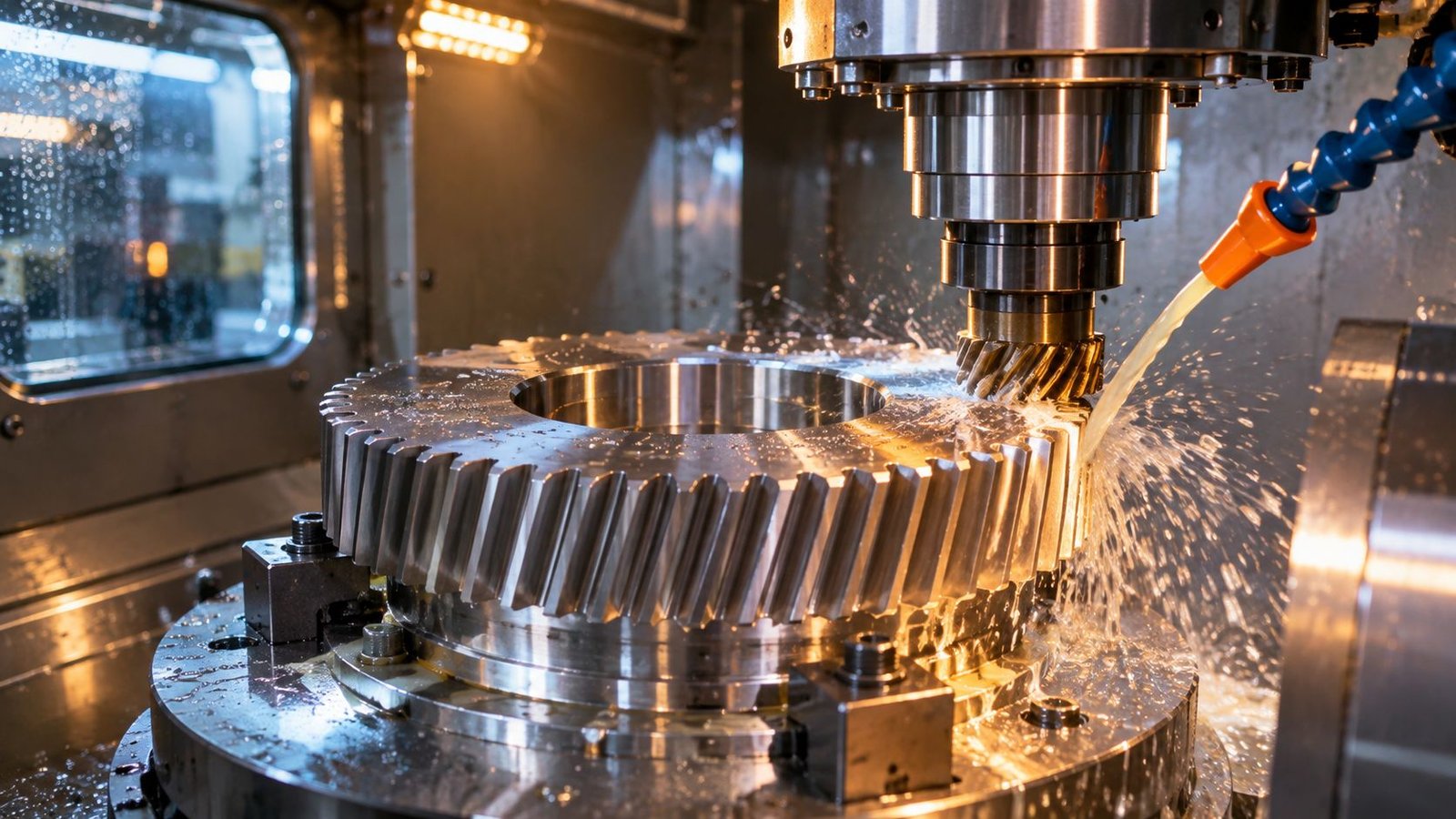
A typical iteration cycle runs 3 days of engineering review, 7 days of 5-axis CNC machining, and 2 days of try-out. You can test four design revisions in under 5 weeks. The constraint is not the machine; it is your internal sign-off speed on each drawing revision.
How Do You Keep Rapid Tooling Compliant With ISO 13485?
Regulatory traceability is the most common gap in medical rapid tooling. Your vendor must document material heat numbers, each machining operation, and dimensional verification. Without that paper trail, a QMS audit will flag missing records and stall your submission.
Documents to Request Before You Release the PO
- Material test report (MTR) for the tool blank and any inserts
- Process control plan listing each CNC or grinding step with inspection points
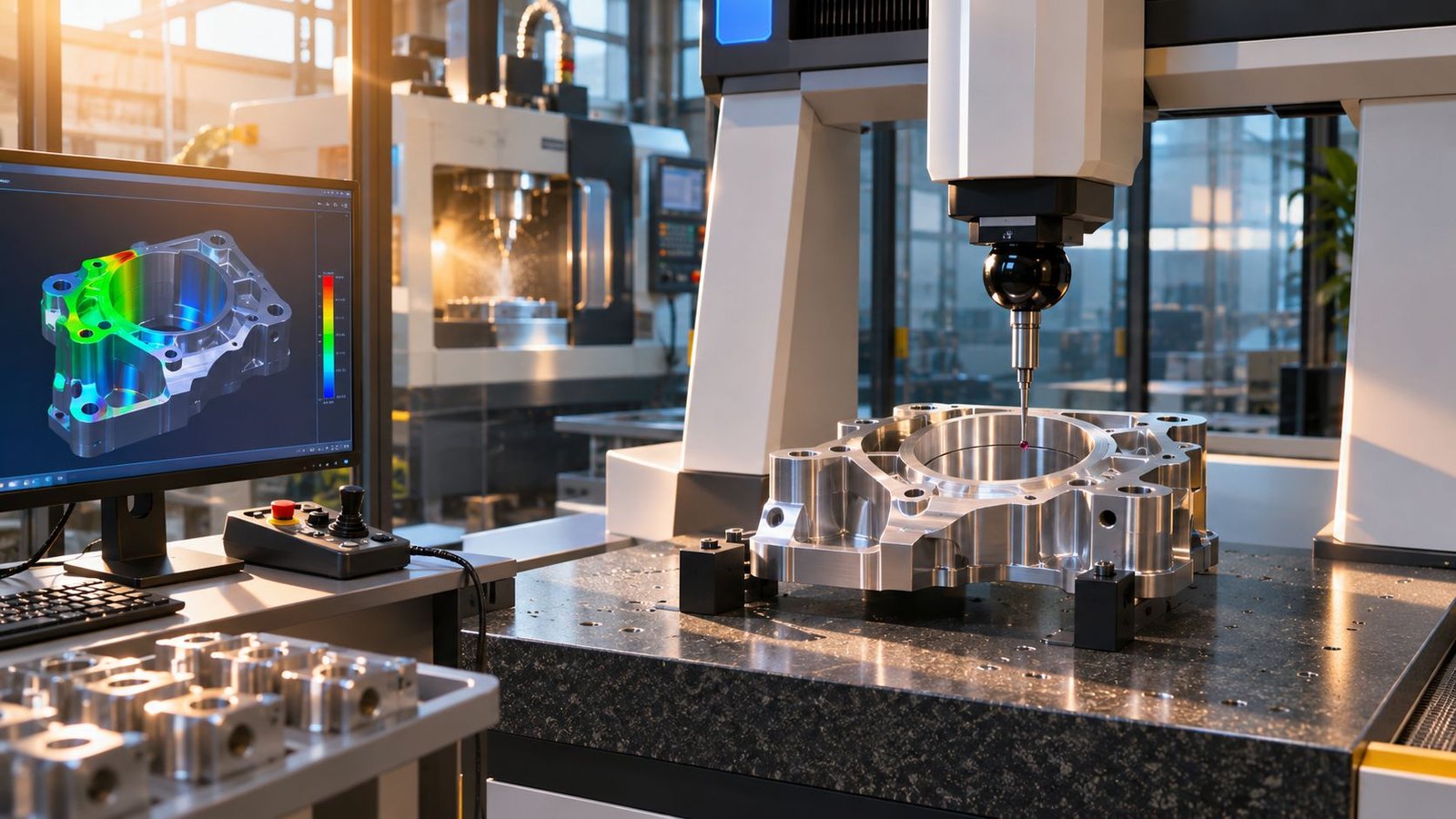
- First-article report with CMM or profile data stamped against the drawing
- Change-order log if the design was modified mid-build
Where Soft Tooling Creates a Regulatory Risk
Many QMS audits require the production tool to be hardened steel with documented ASME Y14.5 GD&T callouts. If your rapid tool is the only source of parts for a 510(k) submission, document the deviation and its impact on device performance. YPMFG can prepare a deviation note and supporting test data to close that gap.
Which Materials Survive Biocompatibility and Sterility Cycles?
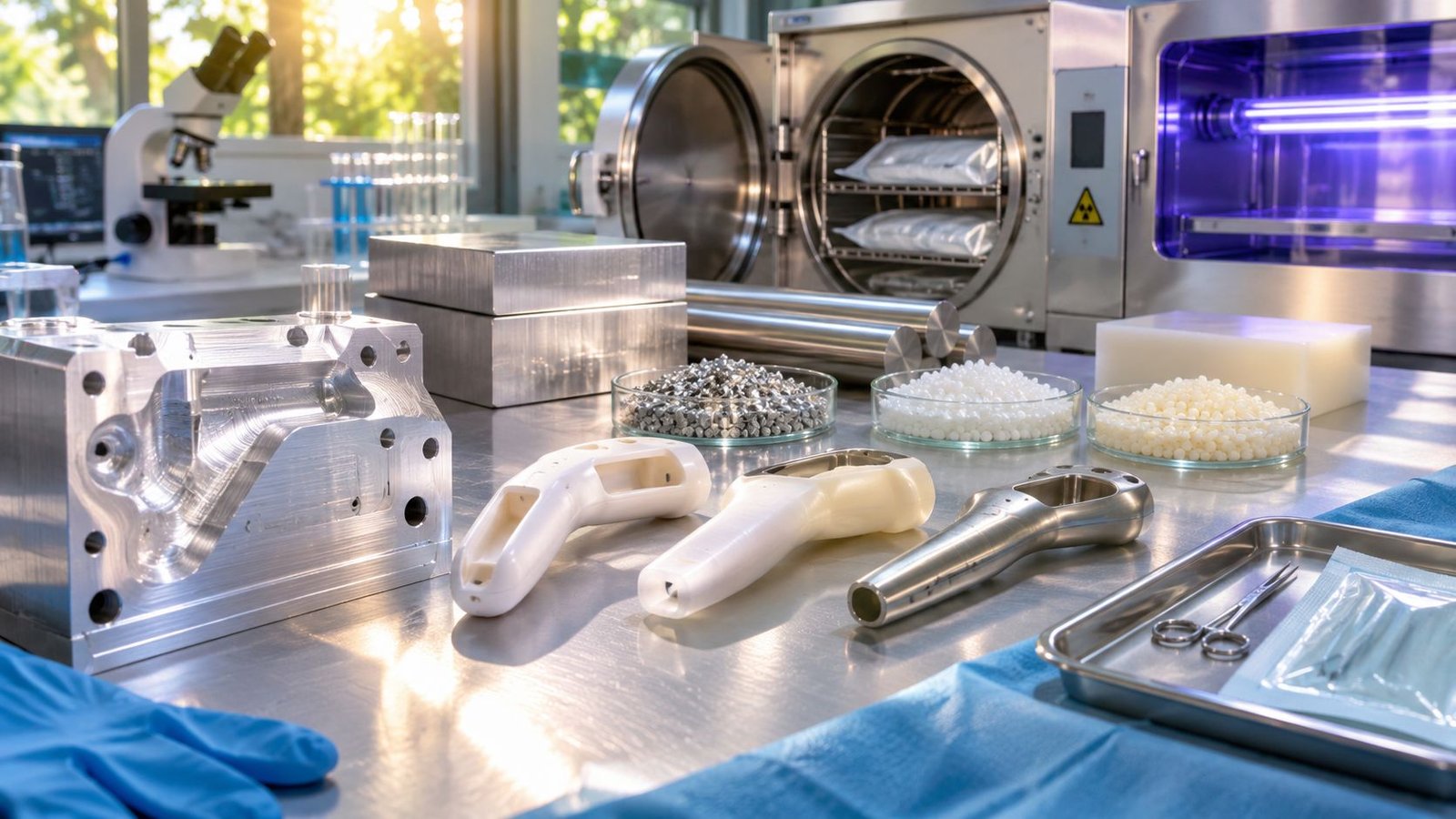
Material selection drives both tool life and part compliance. For the tool blank, 6061 aluminum is standard. For the medical part, 316Lステンレス鋼, ABS, or Nylon are the most common. Every material must pass ISO 10993 biocompatibility testing before it contacts a patient. The sterilization method you plan to use, whether autoclave, EtO, or radiation, dictates which grade survives.
Common Material Mismatches and Their Downstream Cost
A frequent error is specifying 304 stainless for a component that will see repeated autoclave cycling at 134 °C. 316L, with its molybdenum content, resists pitting in that environment. Choosing the wrong grade means re-machining the cavity, which adds 15 days and invalidates prior test data. YPMFG can review your material spec against the intended sterilization method before machining begins.
When Sterility Affects Tool Design
Parts that must arrive sterile in single-use packaging need tight surface-area control to avoid flash or gating marks that break the seal. A 5-axis CNC finish pass on gate and runner areas keeps the part surface clean without post-processing. This step is non-negotiable for implantable or invasive devices.
Practical Questions Before You Order Medical Rapid Tooling
Can rapid tooling replace a production mold for a full 510(k) cycle? No. Soft tooling supports pre-clinical and bench testing, but the production tool for your quality system must be hardened steel with full traceability. Use the rapid data to justify the production tool, not to substitute for it.
How fast can I get a functional injection-molded part from a rapid tool? A 3-day CNC setup plus 7 days of machining delivers a try-out sample in 10 days. You can have 50 functional parts in hand by day 12, enough for a bench-test batch.
What is the biggest cost risk in a rapid tooling program? Design churn. Each revision to the part geometry means a new 6061 blank and a full 10-day cycle. Lock your drawing before releasing the tooling PO to avoid paying for generations you will not use.
How do I verify the tool held tolerance before running 5,000 shots? Request a first-article CMM report and a mid-run sample after 1,000 shots. Compare the two. If the spread exceeds 0.05 mm, the cavity is wearing and you need to switch to soft steel.
プロセスの参照情報:YPMFGプロセスライブラリ。公開されているツールデータと照合して確認済み。NDAに基づき、顧客固有のデータは非公開としています。
Making the Right Tooling Decision Early
The right rapid tooling decision saves weeks and protects your validation data. Start by matching your expected shot count to a material blank, confirm your tolerance stack-up on the assembly, and request the full compliance file before you release the PO. If your design is still moving, an aluminum blank is the lowest-risk starting point. If volume is climbing, plan the soft-steel upgrade now so the tool is ready when your 510(k) timeline demands it.
You can send your specifications and drawing files to YPMFG for an engineering review. The team will flag material mismatches,tolerance risks, and documentation gaps before you commit to a tooling budget. That review is the fastest way to avoid a 15-day rework cycle on a part already on the critical path.
Quality System Reference: ISO 9001:2015 / ISO 13485:2016. Documentation and process records available on request.