 English
  German
  Russian
  Japanese
  Korean
  Spanish
  French
  Italian
  Portuguese
 Quick answer:
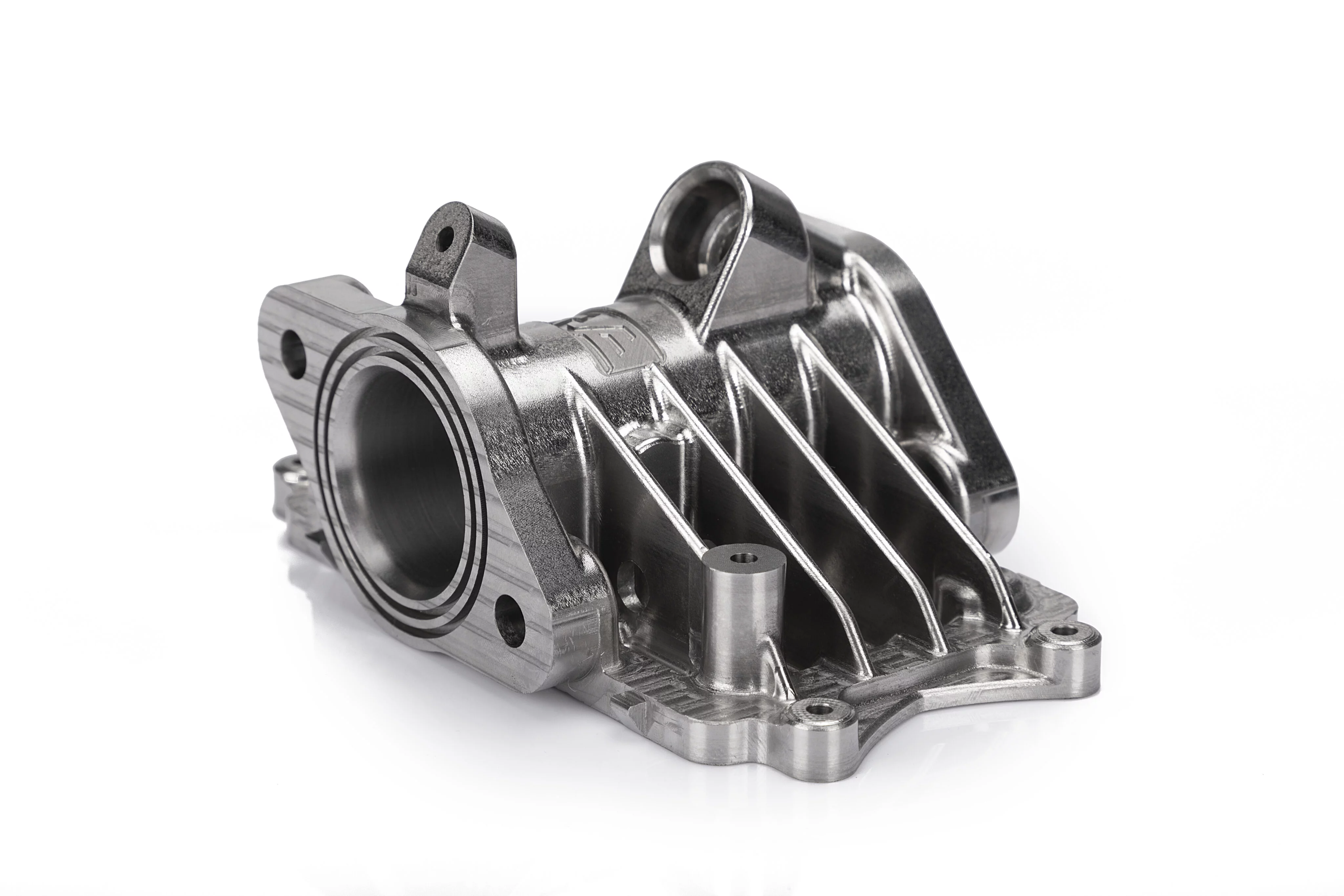
Aluminum part casting involves pouring molten aluminum into molds to create complex metal components with excellent strength-to-weight ratios and good machinability. The most common methods are die casting, sand casting, and permanent mold casting. For precision CNC parts, high-pressure die casting and investment casting typically deliver the tightest tolerances, often within ±0.05mm. Material choice, wall thickness, and surface finish requirements should guide your process selection.
Aluminum casting has become one of the most widely used manufacturing methods across automotive, aerospace, electronics, and industrial equipment industries. Many engineers and procurement teams face difficult decisions when selecting the right casting process for their projects. Cost estimates often conflict with quality expectations, and technical specifications may not align with what a foundry can realistically produce.
YPMFG provides CNC parts manufacturing services that integrate casting with precision machining to deliver finished components ready for assembly. This guide addresses the practical questions buyers and engineers need answered before committing to an aluminum casting project.
Understanding Aluminum Casting Processes
Aluminum casting covers several distinct manufacturing methods, each with different capabilities and cost structures. Understanding these differences helps buyers make informed decisions early in the sourcing process.
Die casting uses high pressure to force molten aluminum into steel molds. This process produces parts with excellent surface finish and tight dimensional consistency. It works best for high-volume production runs where the high tooling cost can be spread across thousands of units.
Sand casting creates molds from compacted sand around a pattern. This method suits medium to low volume production and allows for larger part sizes. The surface finish is rougher than die casting, so post-machining is often required for functional surfaces.
Permanent mold casting uses reusable metal molds gravity-fed with molten aluminum. It offers better dimensional control than sand casting at lower tooling costs than die casting. This process is ideal for parts requiring good mechanical properties without the expense of high-pressure tooling.
Investment casting employs ceramic shell molds created around wax patterns. It delivers near-net-shape parts with excellent surface quality and complex geometry capability. This method is preferred for intricate components where machining would be prohibitively expensive.
The choice between these processes affects lead time, unit cost, tolerances, and surface quality. Each method also has limitations on minimum wall thickness, maximum part size, and achievable detail resolution.
Aluminum Alloy Selection for Casting
Aluminum alloys determine the mechanical properties, castability, and post-processing requirements of your final component. Selecting the wrong alloy can lead to porosity issues, poor machinability, or insufficient strength in service.
The most commonly used casting alloys include:
A380 remains the most popular choice for die cast aluminum parts due to its excellent fluidity and balanced mechanical properties. A356 is preferred when heat treatment is needed to achieve higher strength levels. Silicon-rich alloys like A413 flow well but sacrifice some mechanical performance.
Alloy selection should consider the part’s load requirements, operating environment, welding or finishing needs, and budget constraints. Consulting with your manufacturing partner early in the design phase can prevent costly material changes later in production.
Tolerances and Surface Finish Capabilities
Dimensional tolerance and surface finish requirements directly influence which casting process is appropriate and how much secondary machining will be needed. These specifications also affect your per-unit cost significantly.
For CNC machining of cast parts, common tolerance ranges by process include:
Die casting: ±0.05 to ±0.1mm for standard features
Investment casting: ±0.1 to ±0.2mm depending on size
Permanent mold casting: ±0.1 to ±0.15mm
Sand casting: ±0.2 to ±0.5mm for general features
Surface finish requirements are typically measured in Ra values. Die cast parts can achieve 1.6 to 3.2 μm Ra as-cast, while investment casting can reach 0.8 to 1.6 μm Ra. Sand cast surfaces usually range from 6.3 to 12.5 μm Ra and almost always require machining for functional interfaces.
When specifying tolerances on your drawings, only call out what is functionally necessary. Over-specifying tolerances on non-critical features drives up cost without adding value to the final product.
Cost Factors in Aluminum Casting
Understanding the cost structure of aluminum casting helps buyers evaluate quotes accurately and identify where savings are possible without compromising quality.
Several key factors determine the total cost of an aluminum casting project:
Tooling cost: Die casting tools are expensive but amortize over high volumes. Sand casting patterns are cheaper but less durable. Investment casting requires pattern and tooling for wax injection.
Material cost: Primary aluminum prices fluctuate with market conditions. Alloy selection and scrap content also affect material expenses.
Part complexity: Complex geometries with undercuts, thin walls, or intricate features increase process difficulty and reduce yield.
Production volume: Higher volumes justify expensive tooling and automation. Low volumes may be more economical with sand casting or 3D printed patterns.
Post-processing requirements: Machining, heat treatment, surface treatment, and inspection add to the final landed cost.
Quality level: Aerospace and automotive certifications require additional documentation, testing, and process control.
Buyers should request detailed cost breakdowns from suppliers rather than accepting lump-sum quotes. This approach reveals where costs are allocated and where design changes could reduce expenses.
Common Casting Defects and Prevention
Defect prevention is critical for reducing scrap rates and ensuring consistent part quality. Knowing common defects and their root causes helps both designers and manufacturers avoid costly rework.
Porosity is the most frequent defect in aluminum casting. It occurs when gas or shrinkage is trapped inside the part during solidification. Porosity can weaken the component and cause failures under load or pressure. Proper gating and riser design, along with controlled cooling, can minimize this risk.
Cold shuts form when two streams of molten metal meet without fully fusing. This defect typically results from low pouring temperatures or slow filling speeds. Ensuring proper melt temperature and optimized casting parameters prevents cold shut formation.

Shrinkage cavities appear when the casting contracts during solidification without adequate feeding. Risers and proper gating systems direct molten metal to compensate for shrinkage. Simulation software can predict shrinkage locations before casting begins.
Sand inclusions occur when mold material breaks away and enters the molten metal. This problem is more common in sand casting and can damage machined surfaces. Proper mold strength and careful handling reduce inclusion risks.
Surface cracks may develop during cooling due to thermal stresses. Design features that create uneven cooling rates should be avoided or modified to promote uniform solidification.
Quality Standards and Inspection Methods
Quality requirements vary significantly across industries. Automotive, aerospace, and medical applications all demand different levels of inspection and documentation for cast components.
Common quality standards for aluminum casting include:
ISO 9001 for general quality management systems
IATF 16949 for automotive production and relevant service parts
AS9100 for aerospace quality management
NADCAP for specialty process accreditation
Customer-specific standards for major OEMs
Inspection methods for cast parts include dimensional measurement using CMM, X-ray radiography for internal defects, dye penetrant testing for surface cracks, metallographic examination for microstructure evaluation, and mechanical testing for tensile and hardness verification.
Requesting a detailed inspection and test plan from your supplier before production begins ensures that all critical quality characteristics are verified. This plan should specify sampling levels, acceptance criteria, and documentation requirements.
Design Guidelines for Cast Aluminum Parts
Good design for manufacturability reduces defects, improves yield, and lowers cost. Following established casting design guidelines during the engineering phase prevents production issues and rework later.
Key design recommendations include maintaining uniform wall thickness between 2 to 4mm for most processes, using generous fillet radii at internal corners to reduce stress concentration and improve metal flow, avoiding sudden section changes that cause hot spots and shrinkage, providing adequate draft angles of at least 1 to 2 degrees for mold release, and designing insert locations to ensure proper positioning during casting.
Threaded features should be designed as threaded inserts or tapped holes after casting rather than cast threads, which are difficult to produce reliably and often require reworking.
YPMFG supports design reviews for projects requiring custom aluminum solutions. Engineers can evaluate designs for castability before tooling is committed, identifying potential issues that could affect yield or cost.
Selecting the Right Manufacturing Partner
Choosing a capable manufacturing partner is as important as selecting the right casting process. Experience, equipment, quality systems, and communication all affect the final outcome of your project.
Important criteria for evaluating casting suppliers include:
Range of casting processes offered and expertise in each
CNC machining capabilities for secondary operations
Quality management system certifications and traceability
Engineering support for design for manufacturability
Production capacity and lead time reliability
Communication responsiveness and project management approach
Ability to handle prototyping through full production runs
A supplier that offers both casting and precision machining under one roof can streamline the process from raw casting to finished component. This integration reduces coordination complexity and improves overall quality control.
Questions Buyers Often Ask About Aluminum Casting
What is the typical lead time for an aluminum casting project? Lead times vary by process and volume. Die casting tooling takes 3 to 6 weeks, followed by sample production in 1 to 2 weeks. Sand casting requires 2 to 4 weeks for pattern making and sample delivery. Full production lead time depends on order quantity and scheduling.
Can you work from 3D CAD models without 2D drawings? Many suppliers can produce samples from 3D data alone. However,正式 production typically requires complete 2D drawings with tolerances, surface finish callouts, and material specifications clearly defined.
How do casting costs compare to machined parts from solid stock? Casting is generally more material-efficient and cost-effective for complex geometries. Machining from solid billet is preferable for low volumes or when maximum mechanical properties are required from wrought material.
What is the minimum order quantity for aluminum casting? MOQ varies by process. Sand casting can produce single prototypes economically. Die casting typically requires minimum runs of 500 to 1000 pieces to justify tooling investment. Investment casting has lower MOQ requirements for complex small parts.
Can you provide material certifications and inspection reports? Reputable suppliers should provide mill certificates for raw materials, process parameter records, and inspection reports for each production batch. These documents should be available upon request and included with shipments.
What surface treatments are available for cast aluminum parts? Common treatments include anodizing for wear and corrosion resistance, powder coating for decorative and protective finishes, painting, chromate conversion coating, and natural bare finish for machined functional surfaces.
Making a Better Long-Term Decision
Aluminum part casting offers a versatile and cost-effective path to producing precision metal components when the right process, material, and manufacturing partner are selected. The complexity of alloy choices, process variations, tolerance requirements, and quality standards means that careful planning prevents costly mistakes.
The most successful casting projects begin with clear requirements, realistic design specifications,and open communication between the buyer and manufacturer. Getting an engineering review of your design before committing to tooling can reveal opportunities to improve yield, reduce cost, and simplify production.
You can send your specifications to YPMFG for a free project evaluation. Our engineering team will assess castability, recommend the most suitable process, and provide a detailed quote including tooling and per-unit pricing for your review.