Japanese
 English
 German
 Russian
 Korean
 Spanish
 French
 Italian
 Portuguese

Aluminum anodizing is a surface treatment that transforms the outer layer of aluminum into a dense, corrosion-resistant oxide coating. The process uses an electrolytic bath where direct current builds an aluminum oxide layer directly on the part. Once formed, the porous oxide layer is sealed with hot water or steam, locking in hardness and any dye.
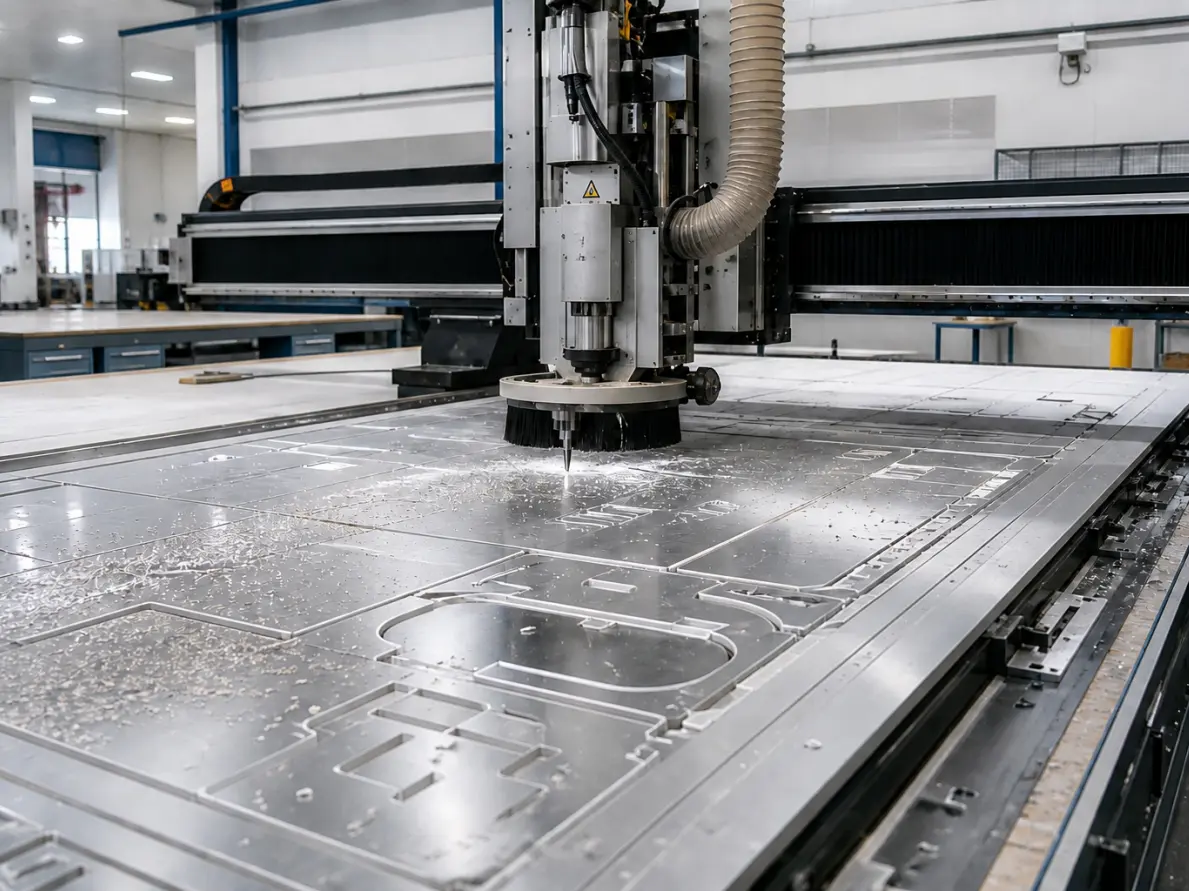
~について CNC加工されたアルミニウム部品, anodizing typically adds 0.001 to 0.025 inches of coating thickness, depending on the type selected. It improves wear resistance, electrical insulation, and paint adhesion without adding loose material. If your drawing calls for tight fits or mating surfaces, the added thickness must be compensated in the base dimension before machining.
Most buyers treat anodizing as a cosmetic afterthought. In practice, it changes how a part wears, conducts, and holds tolerance over its service life. Specifying the wrong type or sealing method can lead to premature failure or parts that no longer assemble.
で YPMFG, we build anodizing requirements into the engineering review before quoting. This keeps tolerance compensation, material grade, and finish specification aligned from the start.
What Anodizing Does at the Surface Level
Anodizing does not deposit external material onto the part. It grows the coating from the aluminum substrate through electrochemical oxidation. The resulting layer sits roughly two-thirds below the original surface and one-third above it.
Because the coating is chemically bonded to the base metal, it will not peel or flake the way a paint or plating layer can. Thickness typically ranges from Type I at 0.0003–0.001 in to Type III at 0.001–0.025 in, per MIL-DTL-5541.
Hard anodize, which uses a phosphoric-acid electrolyte, can reach surface hardness above 400 HV. Standard Type II anodize, the most common choice for color and general 耐食性, typically lands between 250 and 350 HV.
Types and Specs to Lock Down Before Quoting
Getting the anodize type, color, and sealing method correct before the quote is the single biggest cost-control step. After parts are machined, a late change in finish spec can trigger rework, re-inspection, or outright scrap.
When you send a spec sheet to YPMFG, our engineering team cross-checks each of these fields against your drawing tolerances and service environment before we confirm the quote.
How Anodizing Affects Tolerances and Fit
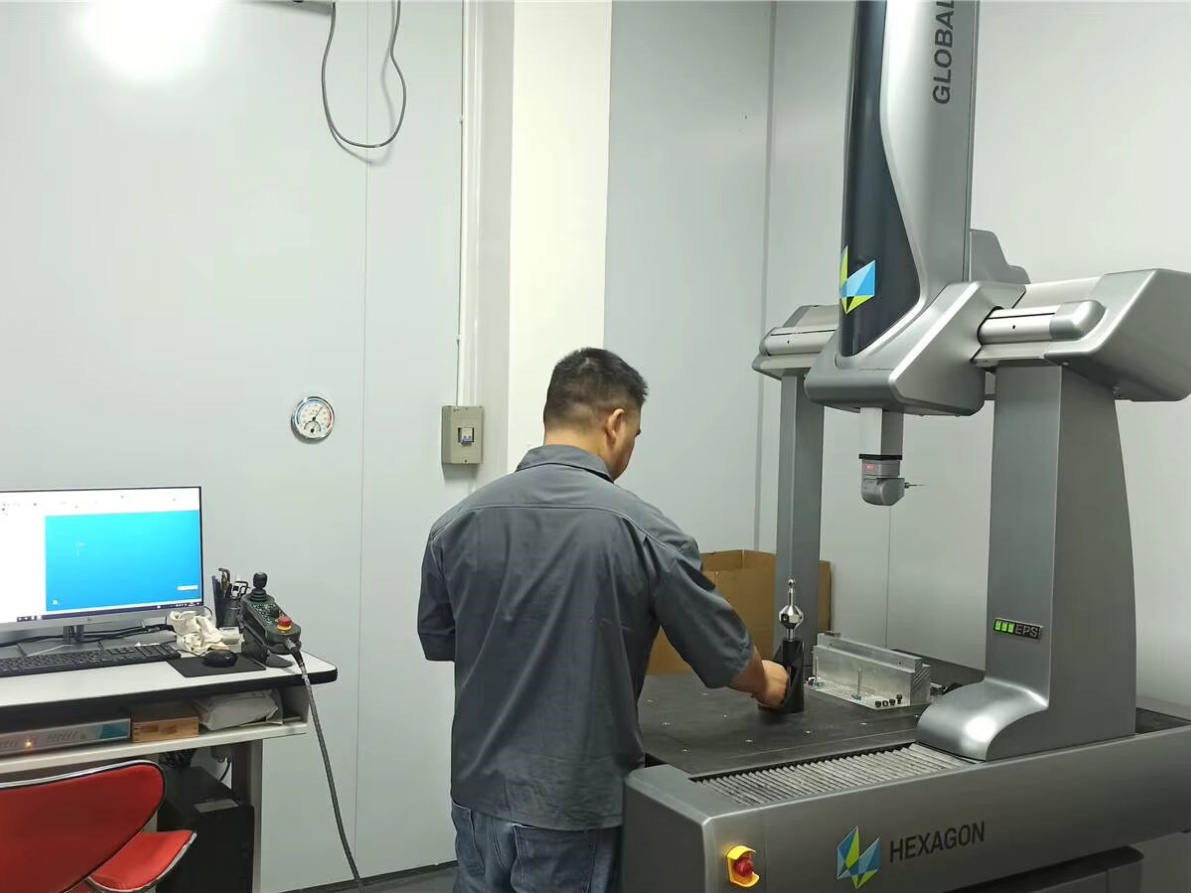
Every anodizing pass adds measurable material to the surface. On a shaft, the effective outside diameter grows by roughly twice the coating thickness. On a bore, the usable clearance shrinks by the same amount.

A frequent mistake: machining a 0.5000 in shaft to nominal, applying 0.002 in of Type III anodize, and receiving a 0.504 in part that no longer slides into its housing.
Always back-calculate the base dimension. If the final assembly gap must hold 0.0005 in and the anodize adds 0.002 in, the machined shaft should be 0.498 in, not 0.500 in. Flag every functional fit on your drawing so the finish shop and the CNC加工 shop work from identical numbers.
Practical Questions to Answer Before Ordering
Will the anodize color fade under UV or sustained heat?
Dye fastness depends on the sealing method and ambient exposure. Steam-sealed or polymer-sealed coatings hold color better than hot-water-sealed ones. If the part sits outdoors or near a heat source, specify UV-stable dye and polymer seal in the print.
Can I anodize a part with threaded holes or internal passages?
Yes, but pore size and thickness uniformity drop in shadowed or recessed areas. Expect a thinner coating at the root of deep threaded holes. If you need consistent thickness across internal threads, discuss a custom anodizing fixture with your supplier before releasing the order.
Does anodizing change electrical conductivity at contact points?
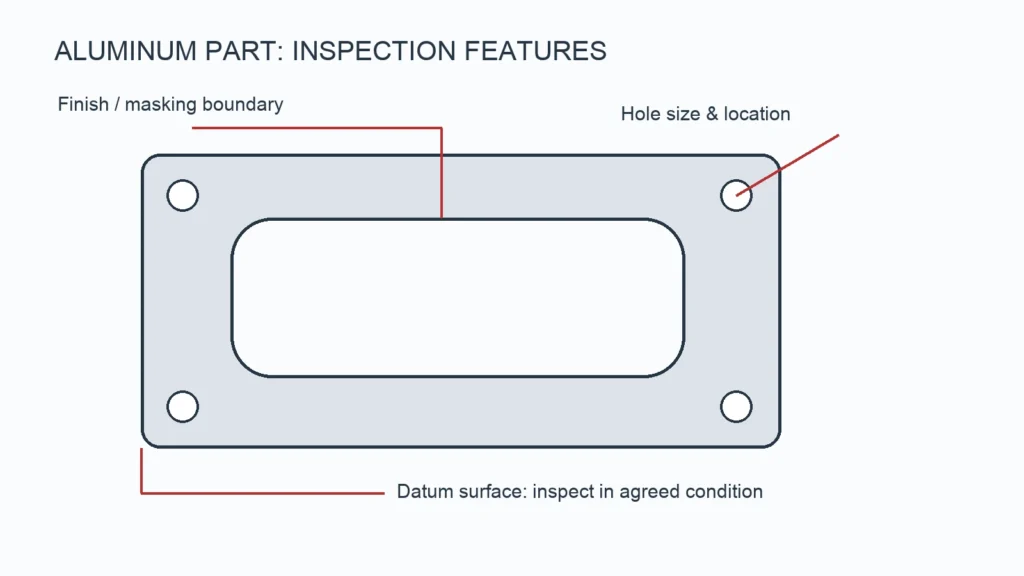
The oxide layer is an insulator. Surface-to-surface metal contact that previously conducted will now resist current. If the design relies on electrical continuity, plan for isolation washers or leave specific contact patches un-anodized on the drawing.
What is the minimum batch size for a custom color run?
It varies by shop and dye availability. Many contract anodizers set a minimum of 25 to 50 parts for specialty colors to cover dye-prep and test time. Confirm the small-batch minimum before committing to a production lot.
Getting the Spec Right the First Time
Anodizing is inexpensive when the spec is clear and costly when it is not. A single rework loop—stripping the coating, re-anodizing, and re-inspecting—quickly erodes the savings of the original finish step.
If you want a second set of eyes on your drawing before parts hit the spindle, send your print, material callout, and finish spec to YPMFG. We review tolerance impact, anodize type, and sealing method as part of the engineering evaluation, then return a marked-up drawing and a firm quote with no hidden rework surprises.