 Japanese
  English
  German
  Russian
  Korean
  Spanish
  French
  Italian
  Portuguese
 簡単な答え:
Die casting forces molten metal into a steel mold under high pressure, producing consistent parts at high volume. It suits runs of tens of thousands to millions of small components. The tradeoff is significant: tooling cost is high, material choices are limited to non-ferrous alloys, and fine features below roughly 0.5 mm become unreliable. If your quantity is modest or your part demands tight tolerances and complex internal geometry, CNC加工 is often the more practical path. The right call depends on volume, material, 許容誤差要件, and total lifecycle cost.
Most buyers first face the die casting vs CNC machining question during prototype or low-volume development. A product team designs a housing or bracket, and the next practical question is how to make 100 of them versus 100,000. That single number reshapes the tooling budget, lead time,and achievable part quality in ways that are easy to underestimate early on.
What Die Casting Actually Does
Die casting injects molten zinc, aluminum, magnesium, or copper alloy into a hardened steel die at pressures between 25 and 250 MPa. The metal solidifies in fractions of a second, filling thin-walled sections that would be impractical to machine from a solid block. Once the die is in production, the process is fast and repeatable.
Each die, however, is expensive and takes weeks to machine. Design changes after the steel is cut carry real cost. 材料の選定 is constrained to non-ferrous alloys, and internal features like deep cavities or thin ribs demand careful gating and vent design from the start.
When Die Cast Makes Sense Over CNC Machined Parts
A die-cast part pulls the per-unit cost down at volume, but the tooling investment shifts financial risk to the early project stage. If the design is still evolving, that risk is hard to recover.
## Specs to Verify Before Committing to a Die Cast Part
Before releasing a die casting drawing to a supplier, confirm these points:
Wall thickness range. Most aluminum alloys cast cleanly between 0.5 and 4 mm. Below 0.5 mm, porosity and shrinkage risk rise sharply.
Draft angles. Sides need 0.5° to 3° of draft for clean ejection from the die.
Tolerance class. Specify ISO 2062 or an equivalent standard. Do not assume ±0.1 mm applies uniformly to every feature.
Alloy and temper. Confirm the alloy grade and heat-treatment state match your strength and corrosion requirements for the service environment.
Surface finish. An as-cast surface typically lands around Ra 3.2–6.3 µm. If a mating surface needs tighter, budget for secondary machining.
YPMFG can review your die casting specifications and flag geometry, draft, or tolerance issues before you commit to cutting the die.
Mistakes That Cost Buyers Extra
Three errors show up repeatedly in die casting procurement:
Designing for high volume from day one. Building an expensive steel die while the product is still in prototype phase locks in geometry and wastes tooling money on a design that may change.
Skipping the trial-mold phase. A low-cost rubber mold or 3D-printed trial catch validates parting lines, vents, and flash behavior before the final steel die is cut.
Assuming zero post-processing. Even a well-designed casting usually needs deburring, machining of critical surfaces, or a surface finish. Plan those operations into the BOM from the start.
How CNC Machining Covers What Die Cast Cannot
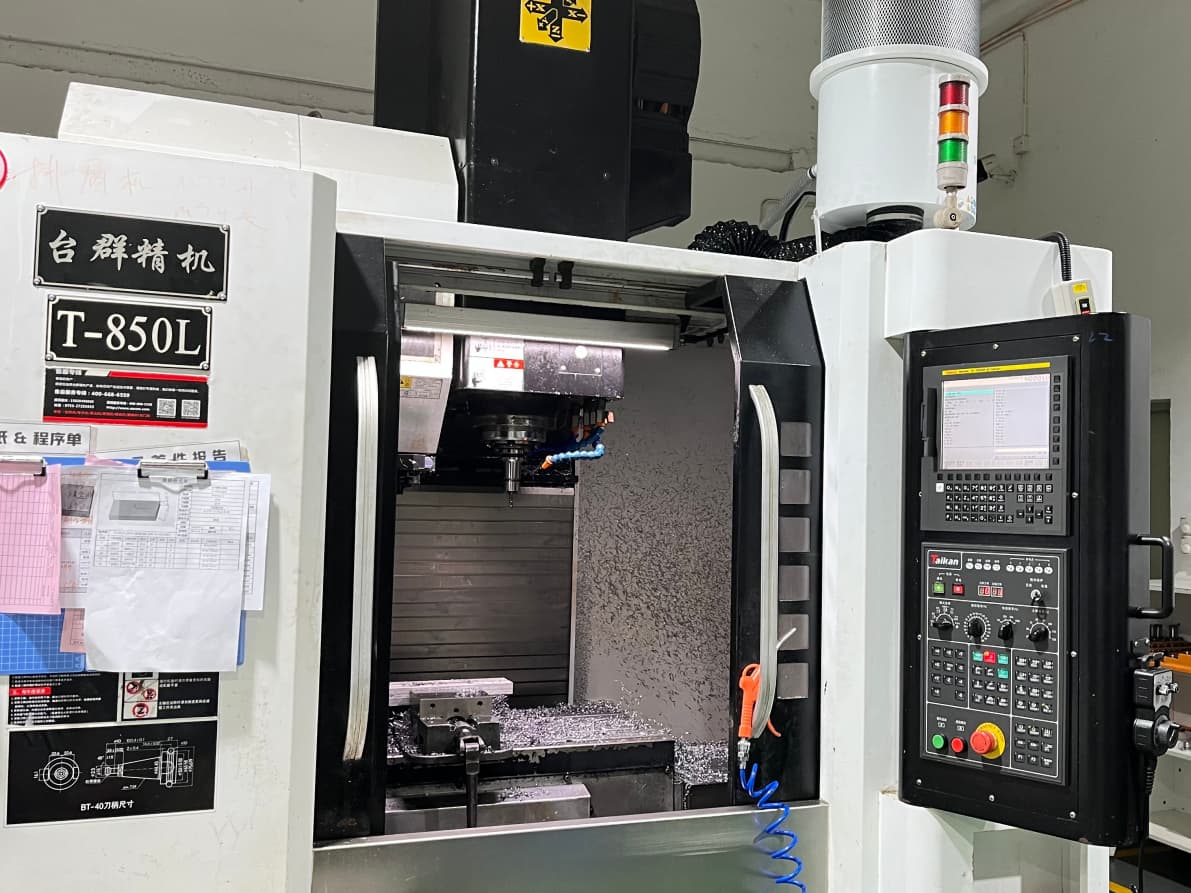
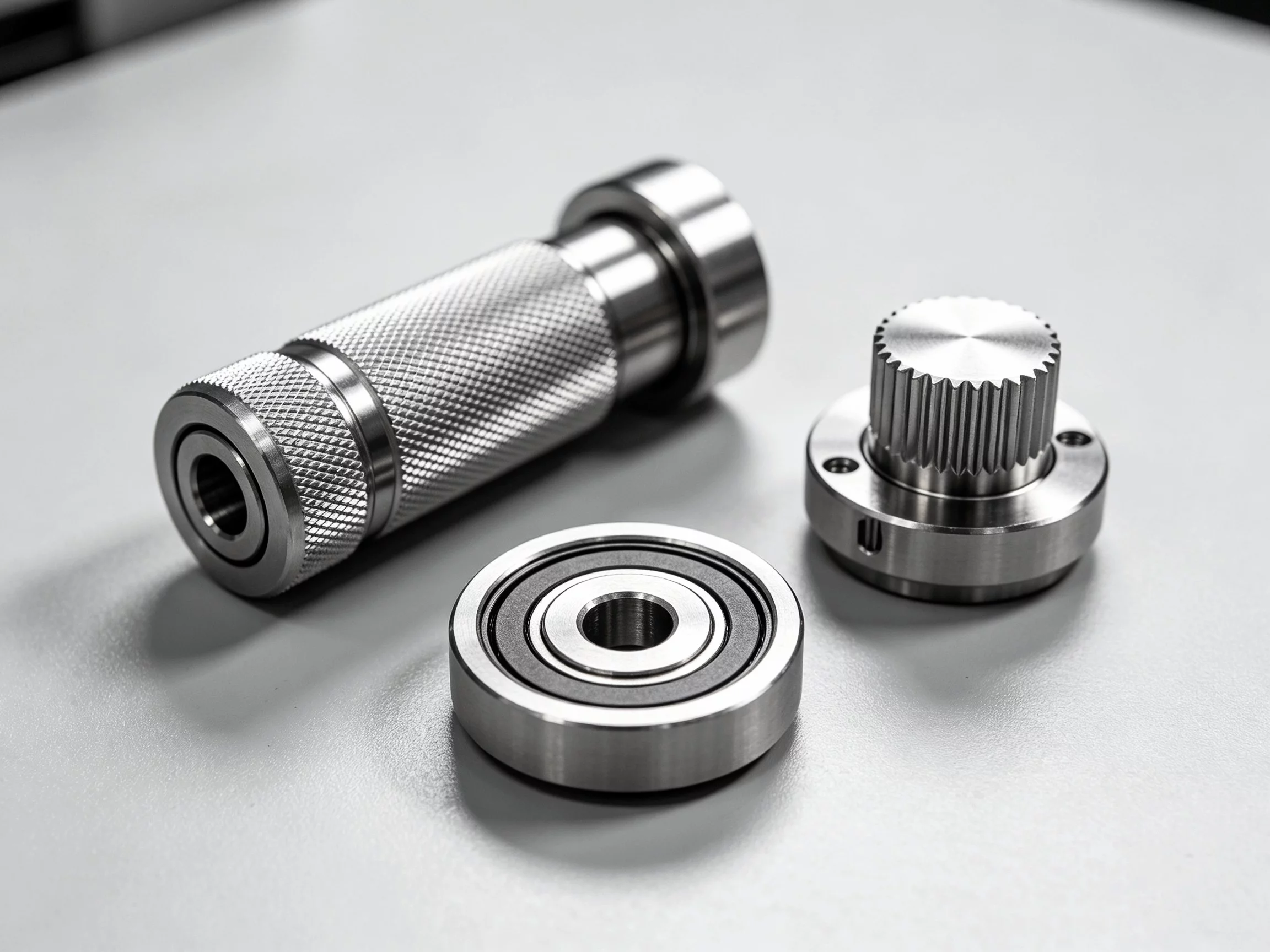
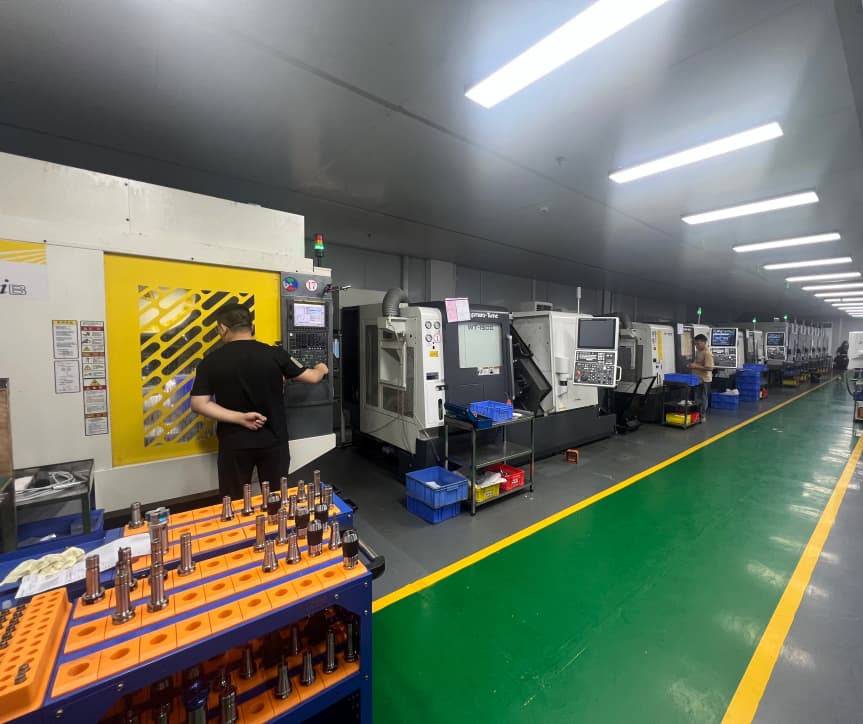
Where die casting hits its limits, CNC部品の機械加工 picks up the work. A milled or turned insert can replace a deep internal cavity the die cannot fill. A machined pilot hole gives a die-cast body the positional accuracy an assembly demands.
For short runs or active design iterations, machining from billet or plate avoids the die entirely. YPMFG supports projects that need multi-axis machining, custom alloy selection, or tight tolerance work that a casting cannot achieve economically.
購入者からよく寄せられる質問
Is die casting cheaper than CNC machining?
It depends on quantity. Per-unit cost drops sharply once you pass the die-amortization threshold, which often falls between 5,000 and 20,000 pieces. Below that range, CNC from billet is usually less expensive overall.
Can I die-cast steel or titanium?
No. Standard die casting alloys are non-ferrous: aluminum, zinc, magnesium, and copper. Steel and titanium require solid-state forming or CNC machining instead.
What is the smallest feature a die can cast reliably?
In practice, rib thicknesses below 0.5 mm and hole diameters under 1.5 mm become unreliable in aluminum alloys. Below those limits, CNC machining is the safer route.
Do die-cast parts need secondary machining?
Frequently, yes. Critical mounting surfaces, mating bores, and threaded holes are typically machined from the as-cast part to hit assembly tolerances.
How long does a hardened steel die last?
A well-maintained die can produce roughly 500,000 to 1,000,000 shots. Actual life depends on alloy, shot frequency, and maintenance schedule.
Choosing the Right Process for Your Application
The core question is not “die cast or CNC” but “which process hits my tolerance, material, and volume targets at the lowest lifecycle cost.” If you sit at moderate volume with tight features, a hybrid approach—die-cast the body, machine the critical interfaces—often delivers the best balance.
Send your part drawing or specification to YPMFG for a quick engineering review. The team can assess whether ダイカスト, CNC加工, or a combination of both fits your application, and flag any geometry or tolerance risks before you commit to tooling.