 Italian
  English
  German
  Russian
  Japanese
  Korean
  Spanish
  French
  Portuguese
 Risposta breve:
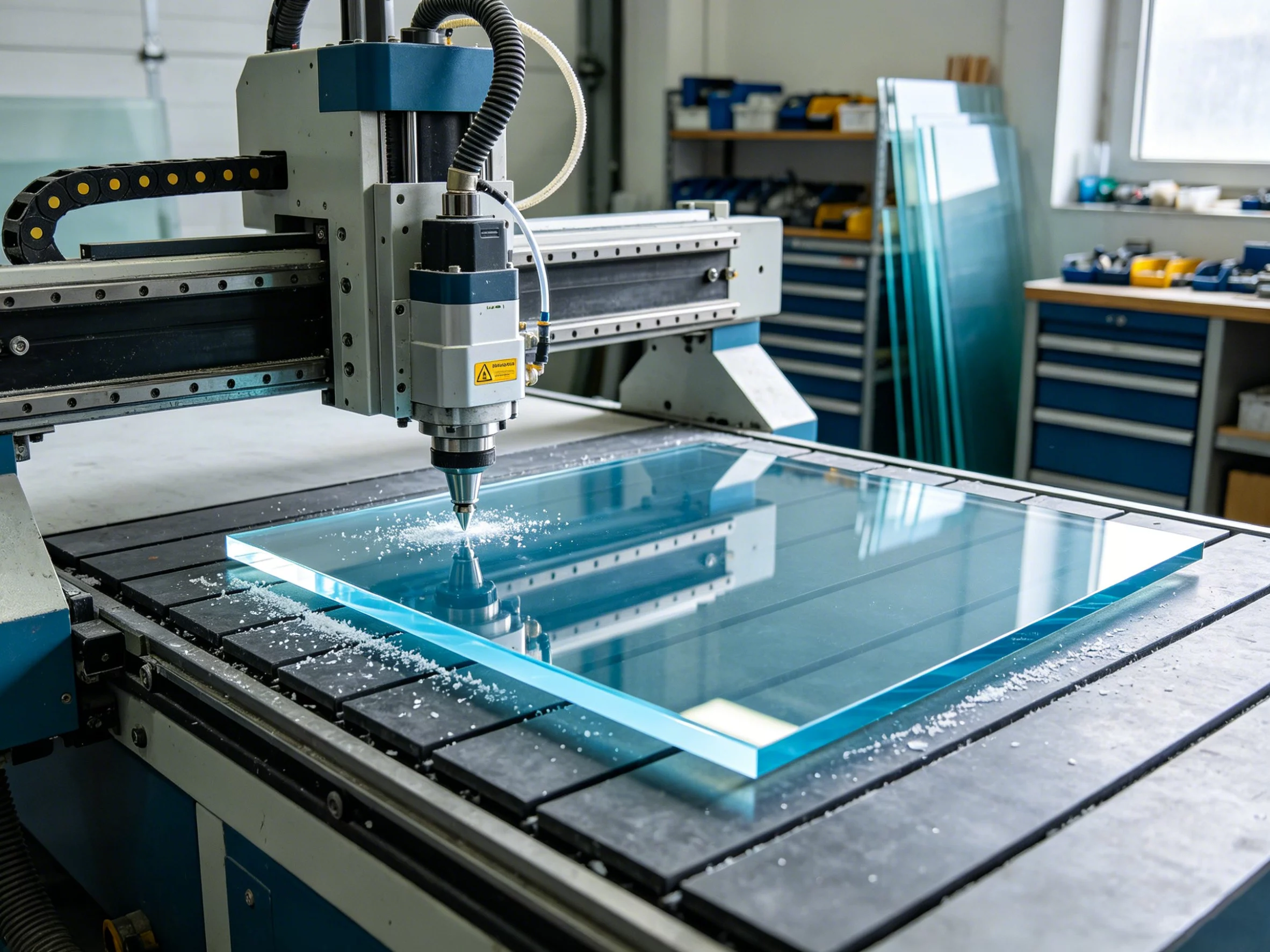
A Macchina per il taglio al plasma CNC pairs computer numerical control with a plasma torch to cut conductive metals along programmed paths. The system follows G-code or DXF files to guide the torch, producing cuts in mild steel, aluminum, stainless, and other electrically conductive materials. It is most commonly used for plate up to roughly 25 mm, though dedicated high-amp systems handle thicker stock.
Compared with laser or oxy-fuel cutting, plasma delivers faster throughput on medium-thick plate at a lower capital cost. That makes it a practical fit for job shops and fabrication lines that need speed without a six-figure laser investment.
If you are evaluating whether plasma cutting fits your production needs, the core questions revolve around material type, thickness, edge quality, and total cost of ownership. This guide explains how the machine works, which specifications to verify, and where plasma sits relative to other cutting methods. YPMFG supports buyers who need Lavorazione CNC and parts-production guidance, including plasma-cut component evaluation and process selection.
Come funziona una macchina da taglio al plasma a controllo numerico
A CNC plasma system has three core components: the plasma torch, a motion platform, and the control unit. The control unit converts a digital file into X, Y, and Z coordinates. The motion platform—typically a gantry or robotic arm—moves the torch while maintaining a consistent standoff distance.
The torch ionizes gas, commonly compressed air, nitrogen, or oxygen, into a high-temperature plasma arc. The arc melts the metal, and the high-velocity gas stream blows the molten material out of the kerf. For thicker cuts, dual-pilot or bevel systems adjust the arc to keep edge quality acceptable.
Key Specifications to Evaluate
Before selecting a machine, verify the parameters below. Each one directly affects what the torch can cut and how well it holds tolerance.
Amperage is the single most important spec. A 60 A torch typically cuts mild steel to about 12 mm, while a 100 A torch reaches roughly 20 mm. Aluminum requires running at a lower amperage than equivalent steel thickness. YPMFG can review your material mix and suggest a suitable power class before you commit to a purchase.
Plasma Cutting vs. Other Methods
Plasma occupies a middle ground between oxy-fuel and laser. Oxy-fuel has a lower equipment price but is limited to mild steel and produces a heavier heat-affected zone. Laser delivers the finest edge finish and smallest kerf, yet the capital and maintenance costs are higher, and it struggles beyond 20 mm without very high-power sources.
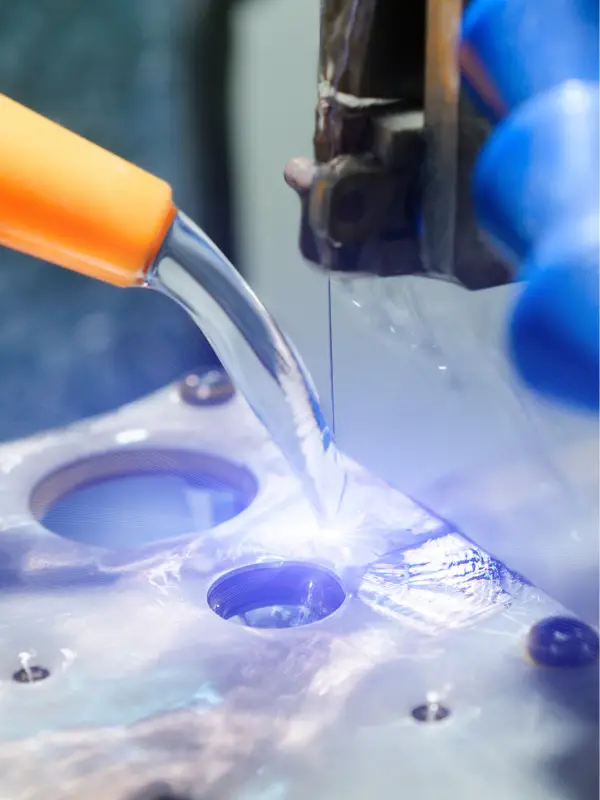
Plasma’s strength is speed on medium-thick plate and material versatility. It handles steel, aluminum, stainless, copper, and brass in a single setup. The trade-off is a wider kerf and a visible tapered edge, which may require secondary finishing or a machining pass for precision assemblies.
Domande frequenti degli acquirenti
How thick can a plasma torch actually cut?
Amperage sets the ceiling. A 90 A system handles mild steel around 19 mm; a 150 A system reaches roughly 25 mm. Aluminum cuts at about half the steel thickness at the same amperage. Always confirm the manufacturer’s thickness chart for your specific material grade.
Can plasma cut stainless steel without burrs?
It cuts stainless, but the edge carries a small burr and oxide layer. For polished or tight-tolerance parts, a Lavorazione CNC pass afterward removes the burr. Many shops accept the as-cut edge for structural brackets and frames.
What gas should I use?
Compressed air is the default and works for most jobs. Oxygen improves cut speed on mild steel; nitrogen reduces dross on aluminum. Factor your existing gas supply into operating cost before choosing a torch model.
How does maintenance affect uptime?
Electrode and nozzle wear is the primary failure point. Replacing the torch-tip kit every 2,000–4,000 duty hours keeps cut quality consistent. Skipping replacement leads to erratic arcs, poor edge quality, and premature torch failure.
Finding the Right Fit for Your Application
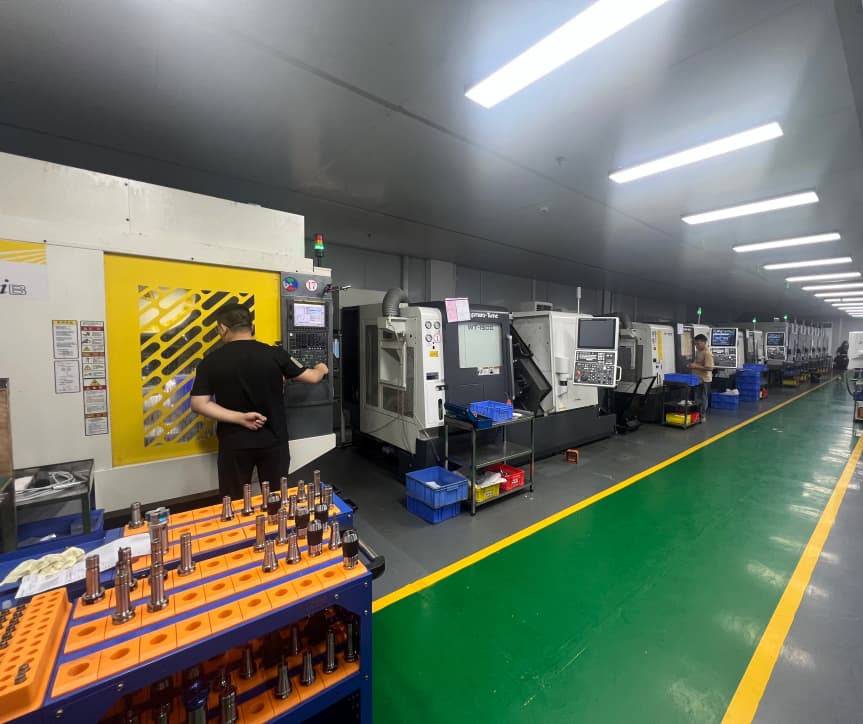
Choosing a Macchina per il taglio al plasma CNC comes down to three variables: your thickest material, your required edge quality, and your annual cutting volume. If most of your work is under 10 mm mild steel, a 60 A gantry system keeps capital outlay reasonable. For mixed-material shops that also produce machined components, pairing plasma with a Fresatura CNC or turning cell covers the full part spectrum.
You can send your material specs,part drawings, and target tolerances to YPMFG for an engineering review. The team will assess whether plasma cutting meets your quality requirements, recommend a suitable machine configuration, and provide a quotation tailored to your production volume.